- Emotionally-Focused Therapy
- Attachment-Based Therapy
- CBT techniques
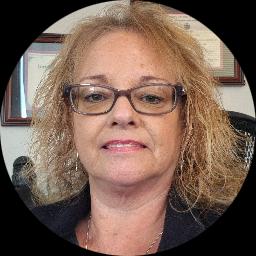
About Michelle
Michelle Nitschke is a Licensed Mental Health Counselor (LMHC) in New York with 30 years of professional experience. She works with people dealing with stress, anxiety, depression, relationship concerns, trauma and abuse, and anger. Michelle focuses on practical ways to address everyday struggles and reduce what feels overwhelming.
Her approach is grounded in helping clients name and understand intense emotions. She uses Emotionally-Focused Therapy alongside attachment-based and client-centered ideas to notice how feelings shape behavior and relationships. Michelle also draws on cognitive behavioral techniques and aspects of the Gottman Method when those tools fit the client’s goals.
Sessions tend to focus on clear, manageable steps. Conversations aim to identify patterns that keep problems repeating and then try different responses. Michelle encourages clients to use skills between sessions to make steady progress.
Michelle frames the client as the expert on their story. She listens for strengths and practical resources someone already has. From there she helps people try small changes that can reduce anxiety, improve mood, and lessen conflict.
Her background includes long-term clinical work in New York settings. That experience informs a straightforward style that emphasizes clarity and real-life skills. Prospective clients are asked to confirm current session options before booking through the platform’s matching process.
How Michelle’s approaches translate to online work
Michelle uses Emotionally-Focused Therapy to help people notice and name strong feelings and how those feelings affect relationships. EFT often focuses on mapping emotional responses and trying new ways of connecting when old patterns cause pain.She also draws on Attachment-Based Therapy, which looks at how early connection styles show up in current relationships, and Client-Centered Therapy, which emphasizes listening and following the client’s priorities. Attachment work can help with patterns of closeness and distance, while client-centered methods keep sessions focused on what the person wants to change.
Choosing the right approach is a collaborative process. Michelle will work with each person to test which methods fit their needs and goals, and she adjusts the approach as progress is made.
The original biography does not list specific session formats, so confirm the available online options before booking. Online sessions can make it easier to fit therapy into a workday, reduce travel time, allow shorter check-ins when needed, and remove the need to be on camera for every meeting depending on the format offered. Licensed professionals can adapt EFT and attachment-focused work to an online setting while keeping sessions practical and goal-oriented.
Areas of expertise
Primary focus
Therapeutic approaches
Experience
30+ years
Listed in
New York
Languages
English
Frequently asked questions
What concerns does she address?
She works with stress, anxiety, depression, relationship issues, trauma and abuse, and anger.
How would you describe her therapeutic style?
Her style is practical and client-centered, focusing on naming emotions and changing patterns that cause repeated problems.
How much experience does she have?
She has 30 years of professional experience working in mental health settings.
What are her credentials and location?
She is an LMHC licensed in New York and practices out of New York.
Does she work in other languages or internationally?
Sessions are offered in English and she is not currently accepting international clients.
What session formats are offered?
The original biography does not list specific session formats; please confirm current session options before booking.
How is cost handled?
Costs vary with location and sessions use a subscription that can be canceled at any time.
How do I get started?
Select the See online therapy options button, complete the short matching questionnaire, and schedule a first session.
Profile details come from information the therapist supplied to BetterHelp. Credential and registration rules differ between the United States, the United Kingdom and Australia.