
Ruth Vanden Bosch
LPCMichigan · 25 yrs exp
Licensed counselor - relationships and coping
Stress, Anxiety · LGBT · Relationship · Grief · +10 more
Read profileTherapist listings are provided by BetterHelp. We will earn a commission at no additional cost to you if you use our links to purchase.
Attachment-Based Therapy examines how early relationships shape the ways people feel, relate, and cope. Below you can browse therapists who list Attachment-Based Therapy among their approaches and review focus areas, credentials, languages and experience.
Michigan · 25 yrs exp
Licensed counselor - relationships and coping
Stress, Anxiety · LGBT · Relationship · Grief · +10 more
Read profile
Colorado · 19 yrs exp
LCSW - emotion and attachment focused
Stress, Anxiety · Relationship · Trauma and abuse · Grief · +12 more
Read profile
Florida · 20 yrs exp
Dr. Daniella Jackson, LMHC - Addiction and relationship concerns
Stress, Anxiety · Addictions · Relationship · Self esteem · +16 more
Read profile
Louisiana · 7 yrs exp
Dr. Tanya Harrell, LPC - Relationships and Trauma
Stress, Anxiety · Family · Trauma and abuse · Parenting · +15 more
Read profile
Texas · 12 yrs exp
LMFT - relationships and mood concerns
Stress, Anxiety · Addictions · Relationship · Grief · +11 more
Read profile
Texas · 17 yrs exp
Licensed Professional Counselor - Relationship and Mood concerns
Stress, Anxiety · Family · Depression · Coping with life changes · +12 more
Read profile
Louisiana · 10 yrs exp
LPC - relationships and emotional patterns
Stress, Anxiety · Relationship · Family · Depression · +12 more
Read profile
Texas · 10 yrs exp
Licensed Professional Counselor - Relationships and Emotion
Stress, Anxiety · Relationship · Family · Depression · +14 more
Read profile
Wisconsin · 8 yrs exp
Licensed Professional Counselor - relationships and identity
Relationship · Intimacy-related issues · Coping with life changes · Stress, Anxiety · +8 more
Read profile
Michigan · 21 yrs exp
LMSW - Relationships and Mood Concerns
Stress, Anxiety · Relationship · Family · Bipolar · +14 more
Read profile
Missouri · 14 yrs exp
Licensed Professional Counselor - relationships and emotion
Stress, Anxiety · Self esteem · Career · Depression · +13 more
Read profile
Texas · 22 yrs exp
Licensed Professional Counselor - Relationships and Emotional Health
Stress, Anxiety · Relationship · Trauma and abuse · Depression · +16 more
Read profile
Massachusetts · 25 yrs exp
MA LMHC - Anxiety and Relationships
Stress, Anxiety · Relationship · Family · Self esteem · +14 more
Read profile
New Jersey · 8 yrs exp
LCSW - Emotional and relationship concerns
Stress, Anxiety · Relationship · Trauma and abuse · Bipolar · +14 more
Read profile
Georgia · 25 yrs exp
Licensed social worker - relationships and mood
Stress, Anxiety · Parenting · Anger · Self esteem · +15 more
Read profile
Colorado · 5 yrs exp
LCSW helping with relationships and trauma
Stress, Anxiety · Relationship · Family · Trauma and abuse · +10 more
Read profile
New York · 24 yrs exp
Dr. Emmanuel Bioh, LCSW - Relationships and Addiction
Stress, Anxiety · Addictions · Family · Parenting · +9 more
Read profile
Ohio · 23 yrs exp
LPCC in Ohio - Stress and Relationship Concerns
Stress, Anxiety · Relationship · Grief · Coping with life changes · +11 more
Read profile
Florida · 13 yrs exp
LMHC - Stress and Relationship Concerns
Stress, Anxiety · Relationship · Intimacy-related issues · Depression · +15 more
Read profile
Illinois · 12 yrs exp
LCPC in Illinois - anxiety and life transitions
Trauma and abuse · Self esteem · Coping with life changes · Coaching · +8 more
Read profile
Louisiana · 14 yrs exp
Licensed Professional Counselor - Anxiety and Depression
Stress, Anxiety · Parenting · Anger · Self esteem · +1 more
Read profile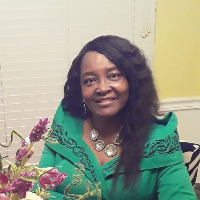
Florida · 20 yrs exp
LMHC - relationships and mood concerns
Stress, Anxiety · Addictions · Relationship · Self esteem · +1 more
Read profile
Michigan · 31 yrs exp
LMSW clinician - relationships and emotion
Stress, Anxiety · Family · Trauma and abuse · Self esteem · +16 more
Read profile
New York · 15 yrs exp
LCSW - Emotion and relationship work
Stress, Anxiety · Addictions · Relationship · Self esteem · +10 more
Read profileAttachment-Based Therapy grows from attachment theory, which studies the bonds formed in early caregiving relationships and how those bonds influence emotional regulation, expectations of others, and patterns of intimacy. In practice, this approach uses the therapeutic relationship as a mirror and a laboratory where you can explore how past relational experiences show up in your day-to-day life. The central idea is that your attachment history - not as a label but as a lived pattern - shapes how you respond to stress, seek comfort, and interpret the behaviors of close others. Practitioners who use this approach tend to pay careful attention to patterns of proximity and distance, emotional attunement, and the ways you negotiate safety and autonomy in relationships.
Therapists who list Attachment-Based Therapy among their approaches work to create a calm, responsive atmosphere that invites new experiences of emotional connection. Rather than prescribing specific homework tasks, many sessions emphasize reflection, felt experience, and the co-creation of a different relational experience than you may have had growing up. The therapeutic process is often exploratory and relational, focusing on strengthening your capacity to notice internal states and to communicate needs clearly. Over time, this can shift the expectations that drive repeated patterns in your relationships.
People seek Attachment-Based Therapy for many reasons, especially when relationship patterns cause distress or when past caregiving experiences continue to influence present-day functioning. If you find yourself repeatedly drawn into the same conflict dynamics, struggle with trust, feel emotionally shut down, or have persistent fears of abandonment, attachment-focused work can help you understand how those responses developed and how they maintain themselves. This approach is also commonly used for healing from childhood emotional neglect, processing attachment injuries, improving parenting relationships, and supporting couples coping with disconnection.
Beyond relationships, attachment perspectives can be helpful for people dealing with anxiety, depression, or chronic relational stress because these difficulties often have relational roots. Attachment-focused therapy is not a quick fix; it is a process that helps you build a different internal experience of safety and support, which then changes how you relate to partners, family members, and friends. Many people also bring questions about identity, self-worth, and intimacy to attachment work because these issues are intimately linked to early relational experiences.
In a session, you can expect a focus on moments of interaction and feeling rather than only on ideas or behavior change. Your therapist will often invite you to slow down and describe what you notice in your body, your emotions, and your thoughts when you talk about difficult relationships. This attention to the present-moment experience is used to surface the habitual patterns that may have developed in childhood. The therapist’s responses are intentionally attentive so that you can see how relational cues are interpreted and to model different kinds of attunement.
Sessions typically blend exploration of past experiences with attention to how those experiences are replayed today. You may talk about specific interactions with a partner or family member, and then be guided to notice how you felt and what you wanted in that moment. Some therapists incorporate reflective exercises or role-play to practice new ways of asking for needs or setting boundaries. Whether sessions are held in person or remotely, the relational quality of the encounter - being seen, heard, and engaged with - is often central to the work.
Attachment-Based Therapy shares common ground with several other modalities but differs in emphasis and method. Where cognitive approaches may concentrate on identifying and changing distorted thoughts, attachment-focused work prioritizes relational patterns and emotional experience as the drivers of those thoughts. Compared with skills-based therapies that teach discrete techniques for symptom management, attachment work aims to shift the underlying relational templates that shape how you connect with others. There is overlap with emotion-focused approaches because both attend to feelings and their regulation, but attachment work places those feelings explicitly within the context of historical and present relationships.
Compared with insight-oriented therapies that explore unconscious content, attachment-focused therapy places relatively more weight on the here-and-now relationship between you and your therapist as the vehicle for change. That means you may spend more time attending to how you respond to the therapist in session and less time on abstract intellectualization. If you value experiential understanding of your relational habits and want to practice new ways of connecting within the therapeutic relationship, attachment-oriented methods offer a distinct pathway.
Attachment-Based Therapy can be useful if you are interested in changing relational habits, improving intimacy, or understanding how early bonds influence your current life. It is appropriate for individuals, couples, and parents who want to shift emotional patterns rather than only reduce symptoms. You may be a good fit if you are willing to reflect on relationship history, notice internal reactions, and try different ways of communicating in relationships. People seeking support for trauma-related attachment injuries may benefit from attachment-informed care, though many therapists combine attachment perspectives with other trauma-aware practices depending on your needs.
When searching for a therapist who uses this approach, look for profiles that state Attachment-Based Therapy among their approaches and that describe a relational focus in their statement. Pay attention to focus areas, professional background, languages spoken, and years of experience so you can find someone whose profile aligns with your priorities. It can help to read a therapist’s description to learn how they describe the therapeutic relationship, whether they emphasize present-moment work with emotions and interactions, and how they think about change. You might also consider practical factors such as session format, fees, and whether a therapist lists experience working with issues similar to yours.
When you reach out to a potential therapist, consider asking about how they describe their attachment-informed work, what a few early sessions would focus on, and what kinds of goals they commonly help people pursue. You can ask about their experience working with relationship issues similar to yours and whether they use any particular techniques within an attachment framework. You are also within your rights to ask about session logistics, fees, and communication preferences. The answers you receive can help you assess whether their relational style and clinical focus feel like a good fit for you.
Finding the right therapist often takes time and involves a combination of practical compatibility and relational fit. Attachment-Based Therapy is a relationally driven approach that can open new ways of experiencing connection and self-understanding. By reviewing profiles of therapists who list Attachment-Based Therapy among their approaches and reflecting on what matters most to you, you can make an informed choice about the clinician to contact and begin work toward changes in how you relate to others and to yourself.
Alabama
42 therapists
Alaska
4 therapists
Arizona
43 therapists
Arkansas
17 therapists
Australia
98 therapists
California
162 therapists
Colorado
83 therapists
Connecticut
19 therapists
Delaware
6 therapists
District of Columbia
7 therapists
Florida
364 therapists
Georgia
89 therapists
Hawaii
7 therapists
Idaho
20 therapists
Illinois
105 therapists
Indiana
61 therapists
Iowa
11 therapists
Kansas
21 therapists
Kentucky
30 therapists
Louisiana
58 therapists
Maine
4 therapists
Maryland
28 therapists
Massachusetts
35 therapists
Michigan
100 therapists
Minnesota
31 therapists
Mississippi
28 therapists
Missouri
70 therapists
Montana
18 therapists
Nebraska
15 therapists
Nevada
16 therapists
New Hampshire
8 therapists
New Jersey
64 therapists
New Mexico
15 therapists
New York
115 therapists
North Carolina
115 therapists
North Dakota
2 therapists
Ohio
59 therapists
Oklahoma
39 therapists
Oregon
19 therapists
Pennsylvania
85 therapists
Rhode Island
3 therapists
South Carolina
53 therapists
South Dakota
3 therapists
Tennessee
38 therapists
Texas
281 therapists
United Kingdom
540 therapists
Utah
23 therapists
Vermont
6 therapists
Virginia
37 therapists
Washington
44 therapists
West Virginia
12 therapists
Wisconsin
45 therapists
Wyoming
14 therapists