
Marsha Oxamendi
LCSWFlorida · 14 yrs exp
LCSW in Florida - emotional and behavioral concerns
Stress, Anxiety · Grief · Anger · Self esteem · +12 more
Read profileTherapist listings are provided by BetterHelp. We will earn a commission at no additional cost to you if you use our links to purchase.
Trauma-Focused Therapy is a clinical approach that concentrates treatment on the impact of traumatic experiences and the ways those experiences shape emotions, beliefs and behaviors. Below you can browse profiles of therapists who list Trauma-Focused Therapy among their approaches to learn about their credentials, methods and experience.
Florida · 14 yrs exp
LCSW in Florida - emotional and behavioral concerns
Stress, Anxiety · Grief · Anger · Self esteem · +12 more
Read profile
Colorado · 19 yrs exp
LCSW - emotion and attachment focused
Stress, Anxiety · Relationship · Trauma and abuse · Grief · +12 more
Read profile
Florida · 20 yrs exp
Dr. Daniella Jackson, LMHC - Addiction and relationship concerns
Stress, Anxiety · Addictions · Relationship · Self esteem · +16 more
Read profile
Louisiana · 7 yrs exp
Dr. Tanya Harrell, LPC - Relationships and Trauma
Stress, Anxiety · Family · Trauma and abuse · Parenting · +15 more
Read profile
Texas · 17 yrs exp
Licensed Professional Counselor - Relationship and Mood concerns
Stress, Anxiety · Family · Depression · Coping with life changes · +12 more
Read profile
Florida · 17 yrs exp
Licensed Mental Health Counselor - Relationships and Addiction
Stress, Anxiety · Addictions · Relationship · Family · +14 more
Read profile
Texas · 10 yrs exp
Licensed Professional Counselor - Relationships and Emotion
Stress, Anxiety · Relationship · Family · Depression · +14 more
Read profile
Wisconsin · 8 yrs exp
Licensed Professional Counselor - relationships and identity
Relationship · Intimacy-related issues · Coping with life changes · Stress, Anxiety · +8 more
Read profile
Illinois · 10 yrs exp
Licensed counselor - relationships and trauma
Stress, Anxiety · LGBT · Relationship · Trauma and abuse · +10 more
Read profile
Georgia · 15 yrs exp
Licensed Professional Counselor - Emotional and relationship concerns
Stress, Anxiety · Grief · Intimacy-related issues · Self esteem · +10 more
Read profile
South Carolina · 36 yrs exp
LISW-CP therapist - mood and life transitions
Stress, Anxiety · Addictions · Family · Trauma and abuse · +3 more
Read profile
Colorado · 11 yrs exp
Licensed Professional Counselor - Emotion and relationships
Stress, Anxiety · LGBT · Trauma and abuse · Anger · +15 more
Read profile
Michigan · 21 yrs exp
LMSW - Relationships and Mood Concerns
Stress, Anxiety · Relationship · Family · Bipolar · +14 more
Read profile
Texas · 22 yrs exp
Licensed Professional Counselor - Relationships and Emotional Health
Stress, Anxiety · Relationship · Trauma and abuse · Depression · +16 more
Read profile
New Jersey · 8 yrs exp
LCSW - Emotional and relationship concerns
Stress, Anxiety · Relationship · Trauma and abuse · Bipolar · +14 more
Read profile
Florida · 20 yrs exp
Licensed Mental Health Counselor - stress and relationships
Stress, Anxiety · Relationship · Family · Self esteem · +9 more
Read profile
Virginia · 14 yrs exp
Licensed Professional Counselor - Trauma and mood concerns
Trauma and abuse · Grief · Coping with life changes · Compassion fatigue · +12 more
Read profile
Florida · 14 yrs exp
Licensed Clinical Social Worker - Mood and relationships
Stress, Anxiety · Trauma and abuse · Grief · Self esteem · +13 more
Read profile
Texas · 33 yrs exp
Licensed Clinical Social Worker - relationships and stress
Stress, Anxiety · Relationship · Family · Self esteem · +11 more
Read profile
Colorado · 5 yrs exp
LCSW helping with relationships and trauma
Stress, Anxiety · Relationship · Family · Trauma and abuse · +10 more
Read profile
New York · 24 yrs exp
Dr. Emmanuel Bioh, LCSW - Relationships and Addiction
Stress, Anxiety · Addictions · Family · Parenting · +9 more
Read profile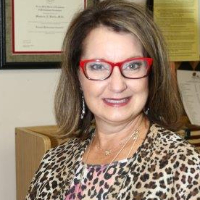
Texas · 4 yrs exp
Licensed Professional Counselor - Stress and Relationship Concerns
Stress, Anxiety · Addictions · Relationship · Family · +3 more
Read profile
Illinois · 12 yrs exp
LCPC in Illinois - anxiety and life transitions
Trauma and abuse · Self esteem · Coping with life changes · Coaching · +8 more
Read profile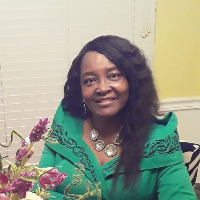
Florida · 20 yrs exp
LMHC - relationships and mood concerns
Stress, Anxiety · Addictions · Relationship · Self esteem · +1 more
Read profileTrauma-Focused Therapy is an umbrella term for therapeutic work that centers on addressing the emotional, cognitive and physiological consequences of traumatic events. Rather than treating symptoms in isolation, trauma-focused work tends to integrate strategies that help you process distressing memories, understand how trauma has affected your sense of safety and identity, and build skills for managing stress responses. Practitioners who describe themselves as using trauma-focused methods typically emphasize collaboration, pacing that matches your readiness, and techniques that support both emotional regulation and memory integration.
At its core, this approach prioritizes stabilization before intensive processing, meaning you and your therapist typically spend time developing coping tools and building a predictable therapeutic relationship. The work often includes attention to how the body remembers threat, so interventions may target breathing, grounding and other somatic resources in addition to cognitive and narrative techniques. Respect for your autonomy and pacing, an emphasis on evidence-informed methods, and a focus on restoring daily functioning are common guiding ideas. Different therapists incorporate these principles in diverse ways, and you may see a range of specific techniques listed in profiles.
This approach is commonly chosen when past events continue to affect your emotional life, relationships or routines. People pursue trauma-focused work after experiences such as accidents, interpersonal violence, childhood neglect, prolonged stress, medical trauma or caregiving strain. The therapy can also address the ripple effects of trauma - persistent anxiety, intrusive memories, difficulty trusting others, sleep disruption and problems with concentration or mood. For many people the goal is to reduce the intensity of trauma-related reactions and to regain a fuller sense of agency and meaning in daily life.
Because trauma can be complex and overlapping with other life stressors, therapists often attend to how trauma interacts with substance use, grief, relationship patterns and work or school performance. You should expect a focus on practical strategies that help you manage symptoms day-to-day as well as interventions aimed at changing the meaning you assign to traumatic memories. Therapists who list Trauma-Focused Therapy among their approaches may work with adults, adolescents, couples or families, and may describe additional specializations such as working with survivors of specific event types or with culturally diverse communities.
Sessions usually begin with a brief check-in about how you have been since your last appointment, including any changes in sleep, mood or stress. Your therapist will likely review coping strategies you are practicing and may teach or rehearse new regulation skills that you can use between sessions. If you are in a phase of processing trauma memories, a session may include structured techniques that help you approach and reprocess distressing material in gradual steps so you remain within a tolerable window of activation.
Timing and structure vary, but many sessions include a balance of skill-building, guided reflection and practical planning for the days ahead. Homework or between-session practices are common and may involve journaling, relaxation exercises or behavioral experiments to test new ways of responding. For people who are earlier in treatment, sessions often focus more on safety planning, stabilizing routines and building trust. When you and your therapist move toward memory-focused work, the pace is usually negotiated so you feel supported rather than overwhelmed.
Compared with non-trauma-specific talk therapy, trauma-focused approaches intentionally prioritize the ways traumatic experiences influence perception and behavior. While insight-oriented therapies may emphasize lifelong patterns and historical understanding, trauma-focused work tends to pair insight with concrete techniques for managing physiological arousal and intrusive memories. Cognitive approaches often examine beliefs and thought patterns, whereas trauma-focused work integrates those cognitive shifts with practices that address the body's stress responses and the way memory is encoded and retrieved.
Some therapists who list trauma-focused methods also incorporate body-centered or exposure-based techniques. These methods aim to help you tolerate and reframe trauma memories rather than avoid them. That said, trauma-focused practice is rarely one-size-fits-all. A key difference is the emphasis on phased care - stabilization, processing, and reintegration - which helps ensure that you have the coping resources needed to engage in deeper work. When comparing profiles, you may notice different emphases: some therapists highlight narrative and meaning-making, others emphasize skill training and tolerating distress, and some blend multiple strategies depending on client needs.
If your past experiences continue to cause distress, interfere with relationships or make daily tasks harder, trauma-focused methods may be a helpful option to explore. Good candidates often include people who are motivated to understand how trauma affects them, who are willing to learn and practice coping strategies, and who feel ready to engage with memories or reminders in a paced way. People with complex histories may benefit from a therapist who emphasizes stabilization and long-term pacing, while others may seek more direct processing sooner. It is also common for trauma work to be integrated with support for co-occurring concerns such as mood or substance-related issues.
When you are looking for a therapist who uses Trauma-Focused Therapy, start by reading profiles to note the approaches, populations and settings a clinician lists. Look for information about licensure, years of clinical experience, languages spoken and the types of clients they describe working with. You can also consider the therapist's stated therapeutic style - whether they describe their work as structured and skills-based, relational and exploratory, or a blended approach. These descriptions give clues about how a therapist is likely to work with you.
It is reasonable to prepare a few questions to help you decide if a profile fits your needs. You might ask how a therapist typically supports clients during the stabilization phase, what kinds of coping strategies they prioritize, and how they adapt pacing for people who have difficulty tolerating strong emotions. Asking about logistical matters such as session length, fees and insurance policies is also practical. Ultimately, the rapport you feel when you speak with a prospective therapist is an important factor - effective trauma-focused work often relies on a collaborative relationship where you feel respected and heard.
Finding the right match can take time, and it is common to explore more than one profile before you decide who to contact. Use the information in profiles to narrow possibilities and then reach out to ask about the therapist's approach and how they describe working with clients who have experienced trauma. That conversation can help you decide whether their style, focus and experience align with what you are looking for as you begin or continue healing.
Alabama
42 therapists
Alaska
4 therapists
Arizona
43 therapists
Arkansas
17 therapists
Australia
98 therapists
California
162 therapists
Colorado
83 therapists
Connecticut
19 therapists
Delaware
6 therapists
District of Columbia
7 therapists
Florida
364 therapists
Georgia
89 therapists
Hawaii
7 therapists
Idaho
20 therapists
Illinois
105 therapists
Indiana
61 therapists
Iowa
11 therapists
Kansas
21 therapists
Kentucky
30 therapists
Louisiana
58 therapists
Maine
4 therapists
Maryland
28 therapists
Massachusetts
35 therapists
Michigan
100 therapists
Minnesota
31 therapists
Mississippi
28 therapists
Missouri
70 therapists
Montana
18 therapists
Nebraska
15 therapists
Nevada
16 therapists
New Hampshire
8 therapists
New Jersey
64 therapists
New Mexico
15 therapists
New York
115 therapists
North Carolina
115 therapists
North Dakota
2 therapists
Ohio
59 therapists
Oklahoma
39 therapists
Oregon
19 therapists
Pennsylvania
85 therapists
Rhode Island
3 therapists
South Carolina
53 therapists
South Dakota
3 therapists
Tennessee
38 therapists
Texas
281 therapists
United Kingdom
540 therapists
Utah
23 therapists
Vermont
6 therapists
Virginia
37 therapists
Washington
44 therapists
West Virginia
12 therapists
Wisconsin
45 therapists
Wyoming
14 therapists