
Marsha Oxamendi
LCSWFlorida · 14 yrs exp
LCSW in Florida - emotional and behavioral concerns
Stress, Anxiety · Grief · Anger · Self esteem · +12 more
Read profileTherapist listings are provided by BetterHelp. We will earn a commission at no additional cost to you if you use our links to purchase.
Use the profiles below to compare therapists who list Emotionally-Focused Therapy and who note intimacy issues among their focus areas. You can review listed location, credentials, clinical approaches, languages, and practice descriptions to help identify profiles that may fit your needs. Browse profiles and reach out to discuss whether a therapist’s approach aligns with what you are seeking.
Florida · 14 yrs exp
LCSW in Florida - emotional and behavioral concerns
Stress, Anxiety · Grief · Anger · Self esteem · +12 more
Read profile
Michigan · 25 yrs exp
Licensed counselor - relationships and coping
Stress, Anxiety · LGBT · Relationship · Grief · +10 more
Read profile
Colorado · 19 yrs exp
LCSW - emotion and attachment focused
Stress, Anxiety · Relationship · Trauma and abuse · Grief · +12 more
Read profile
Florida · 20 yrs exp
Dr. Daniella Jackson, LMHC - Addiction and relationship concerns
Stress, Anxiety · Addictions · Relationship · Self esteem · +16 more
Read profile
Oregon · 17 yrs exp
Licensed counselor - relationships and emotions
Stress, Anxiety · Anger · Self esteem · Career · +12 more
Read profile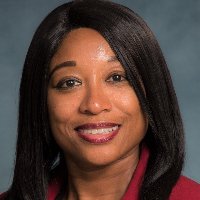
Georgia · 8 yrs exp
Dr. Vivia Hill-Silcott, LPC - Anxiety and relationship support
Stress, Anxiety · Relationship · Family · Grief · +11 more
Read profile
Louisiana · 7 yrs exp
Dr. Tanya Harrell, LPC - Relationships and Trauma
Stress, Anxiety · Family · Trauma and abuse · Parenting · +15 more
Read profile
Texas · 12 yrs exp
LMFT - relationships and mood concerns
Stress, Anxiety · Addictions · Relationship · Grief · +11 more
Read profile
California · 12 yrs exp
LMFT - Emotion and relationship concerns
Stress, Anxiety · Family · Parenting · Self esteem · +8 more
Read profile
Illinois · 20 yrs exp
Licensed counselor - emotion and behavior work
Stress, Anxiety · LGBT · Anger · Self esteem · +12 more
Read profile
North Carolina · 10 yrs exp
Licensed Clinical Social Worker - Relationships and Mood
Stress, Anxiety · Relationship · Family · Bipolar · +16 more
Read profile
Texas · 17 yrs exp
Licensed Professional Counselor - Relationship and Mood concerns
Stress, Anxiety · Family · Depression · Coping with life changes · +12 more
Read profile
Florida · 17 yrs exp
Licensed Mental Health Counselor - Relationships and Addiction
Stress, Anxiety · Addictions · Relationship · Family · +14 more
Read profile
Louisiana · 10 yrs exp
LPC - relationships and emotional patterns
Stress, Anxiety · Relationship · Family · Depression · +12 more
Read profile
Texas · 10 yrs exp
Licensed Professional Counselor - Relationships and Emotion
Stress, Anxiety · Relationship · Family · Depression · +14 more
Read profile
Wisconsin · 8 yrs exp
Licensed Professional Counselor - relationships and identity
Relationship · Intimacy-related issues · Coping with life changes · Stress, Anxiety · +8 more
Read profile
Illinois · 10 yrs exp
Licensed counselor - relationships and trauma
Stress, Anxiety · LGBT · Relationship · Trauma and abuse · +10 more
Read profile
Georgia · 15 yrs exp
Licensed Professional Counselor - Emotional and relationship concerns
Stress, Anxiety · Grief · Intimacy-related issues · Self esteem · +10 more
Read profile
Colorado · 11 yrs exp
Licensed Professional Counselor - Emotion and relationships
Stress, Anxiety · LGBT · Trauma and abuse · Anger · +15 more
Read profile
Michigan · 21 yrs exp
LMSW - Relationships and Mood Concerns
Stress, Anxiety · Relationship · Family · Bipolar · +14 more
Read profile
Missouri · 14 yrs exp
Licensed Professional Counselor - relationships and emotion
Stress, Anxiety · Self esteem · Career · Depression · +13 more
Read profile
Texas · 22 yrs exp
Licensed Professional Counselor - Relationships and Emotional Health
Stress, Anxiety · Relationship · Trauma and abuse · Depression · +16 more
Read profile
Massachusetts · 25 yrs exp
MA LMHC - Anxiety and Relationships
Stress, Anxiety · Relationship · Family · Self esteem · +14 more
Read profile
New Jersey · 8 yrs exp
LCSW - Emotional and relationship concerns
Stress, Anxiety · Relationship · Trauma and abuse · Bipolar · +14 more
Read profileWhen intimacy feels strained, you may notice patterns that leave you disconnected, misunderstood, or reluctant to share emotions. Intimacy concerns can show up as difficulty expressing needs, recurring arguments about closeness, mismatched desire, fear of rejection, or feeling emotionally distant despite living together. You might be looking for ways to feel safer bringing up sensitive topics, to understand repeating cycles that push you apart, or to find new ways of connecting that feel genuine. Some people focus on physical intimacy, others on emotional availability. Either way, what you want to resolve is often less about a single event and more about how you and the other person respond to each other over time.
Emotionally-Focused Therapy is one approach that many clinicians list among their methods. In plain terms, it pays attention to the emotions that drive how you relate, the attachment patterns learned over a lifetime, and the interaction cycles that tend to repeat. It can be used with individuals and is commonly used in work with couples to help people notice emotional triggers, shift defensiveness, and develop new ways of reaching for connection. Remember that listing EFT among a clinician’s approaches does not indicate any specific credential or guarantee outcomes. Use profiles to learn how a clinician describes their work and whether their emphasis matches the concerns you want to address.
This directory groups profiles of clinicians who list Emotionally-Focused Therapy among their approaches and who also note intimacy issues as a focus area. That connection helps you find practitioners whose descriptions include both emotion-focused thinking and attention to relational closeness. It does not mean that every clinician uses EFT exclusively or that they hold a formal EFT credential. Profiles reflect what each clinician has chosen to share about their clinical approaches, degrees, and practice interests.
The directory includes professionals with practices based in the United States, the United Kingdom, and Australia. In the US you will commonly see references to state licenses; in the UK clinicians may hold registrations or membership with professional bodies; in Australia you will see registration or membership information as part of a practitioner’s profile. Academic degrees such as PhD, PsyD, MD, MA, or MSW are distinct from professional licenses or registrations. A degree alone does not establish legal permission to practice in a given jurisdiction. When you read profiles, note both the academic credentials and any mention of local licensing, registration, or professional memberships that indicate the clinician’s standing in their country.
Before you contact a clinician from a profile, consider specific questions that will help you compare how they work. You can ask how they describe their approach to intimacy concerns and what role emotions and attachment patterns play in their work. Ask whether they list Emotionally-Focused Therapy among their approaches and, if so, how they typically apply that perspective with individuals who want help with closeness or communication. Ask about the types of relationship situations they have worked with and whether they have experience with issues that are important to you, such as mismatched desire, trust issues, or recovering from betrayal.
Probe for clarity about the kinds of clients they see and how they describe their therapeutic style. Ask how they approach cultural, gender, or sexual orientation differences and whether they work with people from backgrounds that match yours. Ask what a typical session focuses on - whether it tends toward emotion awareness, skill-building for communication, exploring past attachment patterns, or some combination. You can also request how they handle safety concerns and crisis planning. These questions help you compare profiles beyond headline terms and decide which clinicians’ descriptions align with the way you prefer to work.
If you are considering remote sessions, address practical and safety-related topics up front. Ask how the clinician manages session logistics across time zones and what geographical boundaries, if any, affect whether they can offer care to someone in your listed location. Clarify the technology platform they use and what steps they take to protect your personal data during sessions. You should also ask about their policy for handling emergencies and how they will coordinate if you are in crisis. If you feel unsafe at home, it is important to contact emergency services in your country or local domestic-abuse helplines right away rather than relying on an online intake alone.
Talk about documentation and consent so you understand what records the clinician keeps and how they communicate outside sessions. If you have preferences about session length, pacing, or the involvement of a partner, raise those early so you know whether the clinician’s ways of working match your expectations. These conversations are about fit and clarity rather than a promise of outcomes; they let you see how a clinician approaches boundaries, client safety, and coordination of care when therapy happens remotely.
When you review profiles, start with the details that matter most to you. Look for the focus areas that match your primary concerns and note how clinicians describe their approach to intimacy. Language can be revealing - clinicians who write about attachment and emotion may emphasize relational patterns, while others may emphasize skills for communication or trauma-informed care. Compare the academic degrees listed - PhD, PsyD, MD, MA, MSW - and remember that degrees describe training rather than regulatory permission to practice. For regulatory status, look for mentions of state licenses in the US, professional registrations or memberships in the UK, and registration or membership information in Australia.
Consider practical elements such as the listed location and any languages the clinician indicates they speak. If working with a clinician who shares your language or cultural background is important to you, use those profile details to narrow your search. Pay attention to how clinicians describe their therapeutic style - whether they emphasize emotion-focused exploration, practical strategies for change, or a combination - and the tone they use when writing about their work. Those narrative cues often reflect how they engage with clients. Ultimately, use profiles to form a short list of clinicians whose focus areas, languages, credentials, and described style match what you want to pursue, and then reach out to discuss specifics in conversation before making a decision.
Finding the right match takes time and reflection. Profiles in this directory are a starting point that let you compare who lists Emotionally-Focused Therapy and who notes intimacy issues among their focus areas. Use the questions and considerations above to guide your assessments, and contact local crisis services if you face imminent danger or domestic abuse. By looking carefully at how clinicians explain their work and responsibilities, you can make an informed choice about which profiles to explore further.
Alabama
42 therapists
Alaska
4 therapists
Arizona
43 therapists
Arkansas
17 therapists
Australia
98 therapists
California
162 therapists
Colorado
83 therapists
Connecticut
19 therapists
Delaware
6 therapists
District of Columbia
7 therapists
Florida
364 therapists
Georgia
89 therapists
Hawaii
7 therapists
Idaho
20 therapists
Illinois
105 therapists
Indiana
61 therapists
Iowa
11 therapists
Kansas
21 therapists
Kentucky
30 therapists
Louisiana
58 therapists
Maine
4 therapists
Maryland
28 therapists
Massachusetts
35 therapists
Michigan
100 therapists
Minnesota
31 therapists
Mississippi
28 therapists
Missouri
70 therapists
Montana
18 therapists
Nebraska
15 therapists
Nevada
16 therapists
New Hampshire
8 therapists
New Jersey
64 therapists
New Mexico
15 therapists
New York
115 therapists
North Carolina
115 therapists
North Dakota
2 therapists
Ohio
59 therapists
Oklahoma
39 therapists
Oregon
19 therapists
Pennsylvania
85 therapists
Rhode Island
3 therapists
South Carolina
53 therapists
South Dakota
3 therapists
Tennessee
38 therapists
Texas
281 therapists
United Kingdom
540 therapists
Utah
23 therapists
Vermont
6 therapists
Virginia
37 therapists
Washington
44 therapists
West Virginia
12 therapists
Wisconsin
45 therapists
Wyoming
14 therapists