- Emotionally-Focused Therapy
- Cognitive Behavioral Therapy
- Mindfulness skills
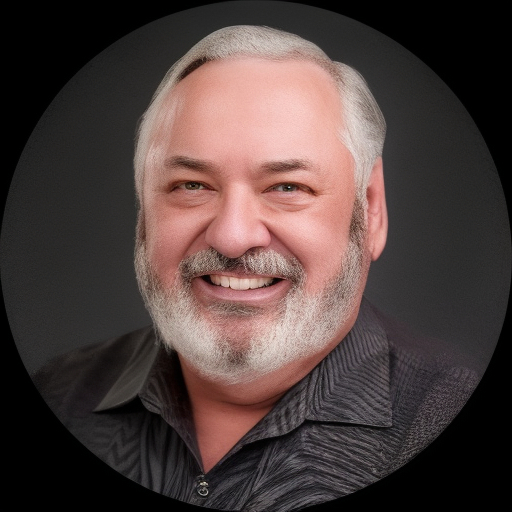
About Albert
Albert Staley is a Licensed Mental Health Counselor (LMHC) practicing in Washington with four years of clinical experience. He focuses on stress, anxiety, relationship difficulties, trauma and abuse, self-esteem, depression, and addictions. He also addresses grief, intimacy-related concerns, parenting stress, anger, and coping with life changes.
Albert uses Emotionally-Focused Therapy (EFT) alongside client-centered and cognitive behavioral approaches. In sessions he helps people name and track emotions, notice patterns in how they relate to others, and try out different ways of responding. He can also bring in mindfulness skills and dialectical behavior strategies to manage strong feelings when those tools fit.
Before becoming an LMHC he spent many years as a non-denominational pastor and teacher. That background informs his willingness to discuss existential questions about meaning and purpose when clients request it. He aims to respect people of any faith or none while keeping conversations focused on practical steps for day-to-day life.
Albert often uses clear, question-based dialogue to help people reach new insights about their reactions and choices. He works with concrete goals like reducing panic, improving communication, or managing urges related to addiction. Sessions look at both what happens in relationships and how personal history shapes current patterns.
Clients who prefer a practical, reflective approach may find his mix of emotion-focused work, CBT strategies, and person-centered listening useful. He asks new clients to complete a brief matching questionnaire and then schedule a first session to begin.
How Albert integrates approaches in online work
Emotionally-Focused Therapy (EFT) helps people identify and name core emotions and see how those feelings shape relationship patterns. It is useful when emotions feel overwhelming or hard to put into words. Client-Centered Therapy emphasizes listening and supporting a person's own pace and insight, letting clients guide which concerns to focus on. Cognitive Behavioral Therapy (CBT) looks at thoughts and behaviors that keep distress going and uses practical exercises to shift them.Finding the best approach is a collaborative process. Albert will talk with each person about goals and preferences and then suggest which methods to try. That partnership lets the work shift if a different tool looks like a better fit as therapy progresses.
Session formats are not listed in the biography, so confirm the current online session options before booking. Many people find online sessions help fit therapy into busy days, reduce travel time, and make it easier to keep regular appointments. Phone or video sessions can allow shorter check-ins, fewer scheduling barriers, and easier integration with work or family routines. Licensed professionals can adapt exercises such as emotion-focused conversations, CBT homework, and mindfulness practice to an online setting so the work stays practical and focused.
Areas of expertise
Primary focus
Also works with
Additional focus areas
Therapeutic approaches
Experience
4+ years
Listed in
Washington
Languages
English
Frequently asked questions
What kinds of concerns does he address?
He works with stress, anxiety, depression, relationship issues, trauma and abuse, self-esteem, addictions, grief, parenting strain, anger, and coping with life changes.
What is his therapeutic style?
He combines Emotionally-Focused Therapy with client-centered listening and cognitive behavioral techniques to help clients name feelings and try new responses.
How much clinical experience does he have?
He has four years of experience as an LMHC and a long background as a non-denominational pastor and teacher that informs his approach.
What are his credentials and location?
He is a Licensed Mental Health Counselor (LMHC) practicing in Washington.
Which languages are sessions offered in?
Sessions are offered in English.
Does he work with international clients?
He is not currently accepting international clients.
How does cost and billing work?
Cost varies with location and sessions use a subscription that can be canceled at any time.
How do I get started?
Select the See online therapy options button, complete a short matching questionnaire, and schedule a first session.
Profile details come from information the therapist supplied to BetterHelp. Credential and registration rules differ between the United States, the United Kingdom and Australia.