
Ruth Vanden Bosch
LPCMichigan · 25 yrs exp
Licensed counselor - relationships and coping
Stress, Anxiety · LGBT · Relationship · Grief · +10 more
Read profileTherapist listings are provided by BetterHelp. We will earn a commission at no additional cost to you if you use our links to purchase.
This page groups profiles of clinicians who list Self-Love as a specialty and Emotionally-Focused Therapy among their approaches. You can compare listed locations, clinical approaches, credentials, languages and focus areas to help narrow your search.
Browse the profiles below to read each clinician's description and listed contact options, then use the guidance on this page to prepare for a conversation about approach and fit.
Michigan · 25 yrs exp
Licensed counselor - relationships and coping
Stress, Anxiety · LGBT · Relationship · Grief · +10 more
Read profile
Colorado · 19 yrs exp
LCSW - emotion and attachment focused
Stress, Anxiety · Relationship · Trauma and abuse · Grief · +12 more
Read profile
Florida · 20 yrs exp
Dr. Daniella Jackson, LMHC - Addiction and relationship concerns
Stress, Anxiety · Addictions · Relationship · Self esteem · +16 more
Read profile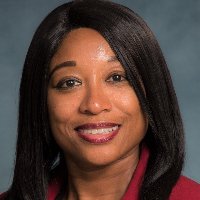
Georgia · 8 yrs exp
Dr. Vivia Hill-Silcott, LPC - Anxiety and relationship support
Stress, Anxiety · Relationship · Family · Grief · +11 more
Read profile
Louisiana · 7 yrs exp
Dr. Tanya Harrell, LPC - Relationships and Trauma
Stress, Anxiety · Family · Trauma and abuse · Parenting · +15 more
Read profile
Texas · 12 yrs exp
LMFT - relationships and mood concerns
Stress, Anxiety · Addictions · Relationship · Grief · +11 more
Read profile
Illinois · 20 yrs exp
Licensed counselor - emotion and behavior work
Stress, Anxiety · LGBT · Anger · Self esteem · +12 more
Read profile
North Carolina · 10 yrs exp
Licensed Clinical Social Worker - Relationships and Mood
Stress, Anxiety · Relationship · Family · Bipolar · +16 more
Read profile
Texas · 17 yrs exp
Licensed Professional Counselor - Relationship and Mood concerns
Stress, Anxiety · Family · Depression · Coping with life changes · +12 more
Read profile
Florida · 17 yrs exp
Licensed Mental Health Counselor - Relationships and Addiction
Stress, Anxiety · Addictions · Relationship · Family · +14 more
Read profile
Louisiana · 10 yrs exp
LPC - relationships and emotional patterns
Stress, Anxiety · Relationship · Family · Depression · +12 more
Read profile
Texas · 10 yrs exp
Licensed Professional Counselor - Relationships and Emotion
Stress, Anxiety · Relationship · Family · Depression · +14 more
Read profile
Wisconsin · 8 yrs exp
Licensed Professional Counselor - relationships and identity
Relationship · Intimacy-related issues · Coping with life changes · Stress, Anxiety · +8 more
Read profile
Illinois · 10 yrs exp
Licensed counselor - relationships and trauma
Stress, Anxiety · LGBT · Relationship · Trauma and abuse · +10 more
Read profile
Georgia · 15 yrs exp
Licensed Professional Counselor - Emotional and relationship concerns
Stress, Anxiety · Grief · Intimacy-related issues · Self esteem · +10 more
Read profile
Colorado · 11 yrs exp
Licensed Professional Counselor - Emotion and relationships
Stress, Anxiety · LGBT · Trauma and abuse · Anger · +15 more
Read profile
Michigan · 21 yrs exp
LMSW - Relationships and Mood Concerns
Stress, Anxiety · Relationship · Family · Bipolar · +14 more
Read profile
Missouri · 14 yrs exp
Licensed Professional Counselor - relationships and emotion
Stress, Anxiety · Self esteem · Career · Depression · +13 more
Read profile
Texas · 22 yrs exp
Licensed Professional Counselor - Relationships and Emotional Health
Stress, Anxiety · Relationship · Trauma and abuse · Depression · +16 more
Read profile
New Jersey · 8 yrs exp
LCSW - Emotional and relationship concerns
Stress, Anxiety · Relationship · Trauma and abuse · Bipolar · +14 more
Read profile
Florida · 20 yrs exp
Licensed Mental Health Counselor - stress and relationships
Stress, Anxiety · Relationship · Family · Self esteem · +9 more
Read profile
Virginia · 14 yrs exp
Licensed Professional Counselor - Trauma and mood concerns
Trauma and abuse · Grief · Coping with life changes · Compassion fatigue · +12 more
Read profile
Georgia · 25 yrs exp
Licensed social worker - relationships and mood
Stress, Anxiety · Parenting · Anger · Self esteem · +15 more
Read profile
Florida · 14 yrs exp
Licensed Clinical Social Worker - Mood and relationships
Stress, Anxiety · Trauma and abuse · Grief · Self esteem · +13 more
Read profileWhen you search for support focused on self-love, you are most likely looking to shift long-standing patterns of self-criticism, shame, people-pleasing or unclear boundaries. Those patterns often show up as persistent inner judgments, avoidance of difficult emotions, or difficulty asserting your needs with others. You might notice these patterns across relationships, at work, or in how you relate to your own body. Naming what feels most painful or limiting for you - for example frequent negative self-talk, an upsetting inner critic, or trouble feeling worthy of care - helps you and a clinician focus the work. It is useful to bring some examples of situations that trigger these reactions, and to think about short-term priorities for change alongside longer-term goals.
Therapy that addresses self-love often involves exploring emotions and relationship patterns rather than just learning coping strategies. You will likely be invited to notice how emotions show up in your body and how your early and current relationships shape expectations about your needs. Because everyone's history and culture shape self-regard, your identity, background and any experiences of marginalization are important topics to raise when comparing profiles. If you are in immediate danger or fear for your safety at home, contact local emergency services or a domestic-abuse helpline for support right away.
Emotionally-Focused Therapy, or EFT, is an approach that looks at emotions, attachment and the patterns that repeat between people. In plain language, EFT helps people notice and name their emotions, explore how those feelings connect to early attachment experiences, and shift repetitive interaction cycles that keep them stuck. Clinicians may use EFT ideas to help you step away from reactive patterns and toward more compassionate self‑relating. EFT-informed work is used with individuals and often with couples, and therapists who list EFT among their approaches may draw on its emphasis on emotion and relationship when addressing self-love concerns.
It is important to understand that listing EFT in a profile is a statement about clinical orientation, not a guarantee of a particular outcome or formal certification. Different clinicians integrate EFT ideas with other therapeutic perspectives, and the way an EFT-informed approach is practiced can vary. You should expect a discussion about how emotions and attachment patterns are explored in sessions, and whether the clinician tends to use more experiential, relational or skills-based interventions for self-love work. That conversation will give you a clearer sense of whether their way of working aligns with what you need.
When you review profiles, prepare concrete questions so you can learn how a clinician's orientation and experience meet your needs. Ask how they understand the connection between emotions and self-regard, and how they apply emotion-focused ideas to build self-compassion. You can ask for examples of what a typical session might focus on in early weeks versus later in therapy, and whether they work more with experiential emotional processing, with relational exercises, or with practical skill-building for managing self-critical thoughts.
Clarify educational background and professional permission to practice. Degrees such as PhD, PsyD, MD, MA and MSW indicate academic training but do not by themselves establish current legal permission to practice. In the United States clinicians commonly list a license that indicates state-level authorization to provide care. In the United Kingdom and Australia clinicians may reference registration with a regulatory body or membership in professional associations. Ask how their degree and any license, registration or membership relate to the services they provide in the listed location. Also ask about experience with populations or life stages similar to yours, and about any languages they speak so you can feel understood in session.
If you are considering remote sessions, raise practical and clinical questions before you begin. Discuss the technology platforms they use and how they handle privacy and data practices. Ask what steps to take if a call drops or you are interrupted, and how the clinician manages safety planning or local referrals if you need in-person support in your listed location. It's appropriate to confirm whether a clinician works with people who are in difficult home situations or ongoing crisis, and to ask what they recommend if you are currently unsafe.
Talk about expectations for session structure and communication outside sessions. Some clinicians outline what a session might look like when you are exploring intense emotions and when you are practicing new self-relating skills. You can also ask about how they collaborate with other professionals if you have medical or legal needs, while remembering that this directory does not provide medical advice. Make sure you feel comfortable asking about session length, cancellation policies, and how they approach boundaries and referrals if the clinician's scope does not match your needs.
Use profiles to compare features that matter most to you. Look at listed focus areas to see whether a clinician highlights Self-Love alongside related topics such as self-compassion, boundary-setting or identity work. Read how they describe their therapeutic style - whether they emphasize emotion-focused exploration, practical strategies, or a relational approach that examines interactions with others. Language offerings are important if you prefer to speak in a particular language; notice which languages are listed and whether cultural context appears in their description.
Consider credentials and how they are presented. A profile that names degrees such as PhD, PsyD, MD, MA or MSW gives you information about academic background, while mentions of licensure, registration or professional membership indicate the systems that govern practice in the clinician's listed location. If a clinician references professional development related to emotions or attachment, view that as a starting point for conversation rather than definitive proof of expertise. Finally, use profile descriptions to sense tone and style - some clinicians emphasize a warm, reflective partnership while others highlight a more direct, skill-oriented approach. Bringing the concrete questions suggested above into an initial conversation will help you assess whether a clinician's way of working aligns with your needs.
Choosing someone to work with on self-love is a personal decision and often evolves over time. Profiles in this directory are meant to help you compare listed locations, approaches, credentials and languages so you can find clinicians whose descriptions match your priorities. When you find profiles that resonate, reach out to ask the specific questions that matter to you and that will make it easier to decide whether to begin a conversation with a clinician.
Alabama
42 therapists
Alaska
4 therapists
Arizona
43 therapists
Arkansas
17 therapists
Australia
98 therapists
California
162 therapists
Colorado
83 therapists
Connecticut
19 therapists
Delaware
6 therapists
District of Columbia
7 therapists
Florida
364 therapists
Georgia
89 therapists
Hawaii
7 therapists
Idaho
20 therapists
Illinois
105 therapists
Indiana
61 therapists
Iowa
11 therapists
Kansas
21 therapists
Kentucky
30 therapists
Louisiana
58 therapists
Maine
4 therapists
Maryland
28 therapists
Massachusetts
35 therapists
Michigan
100 therapists
Minnesota
31 therapists
Mississippi
28 therapists
Missouri
70 therapists
Montana
18 therapists
Nebraska
15 therapists
Nevada
16 therapists
New Hampshire
8 therapists
New Jersey
64 therapists
New Mexico
15 therapists
New York
115 therapists
North Carolina
115 therapists
North Dakota
2 therapists
Ohio
59 therapists
Oklahoma
39 therapists
Oregon
19 therapists
Pennsylvania
85 therapists
Rhode Island
3 therapists
South Carolina
53 therapists
South Dakota
3 therapists
Tennessee
38 therapists
Texas
281 therapists
United Kingdom
540 therapists
Utah
23 therapists
Vermont
6 therapists
Virginia
37 therapists
Washington
44 therapists
West Virginia
12 therapists
Wisconsin
45 therapists
Wyoming
14 therapists