
Marsha Oxamendi
LCSWFlorida · 14 yrs exp
LCSW in Florida - emotional and behavioral concerns
Stress, Anxiety · Grief · Anger · Self esteem · +12 more
Read profileTherapist listings are provided by BetterHelp. We will earn a commission at no additional cost to you if you use our links to purchase.
This page groups profiles of clinicians who list Self Esteem as a focus and Emotionally-Focused Therapy (EFT) among their approaches. Use the profiles to compare approach descriptions, academic degrees, professional credentials, languages and listed location as you look for a good match.
Browse profiles to learn more about each clinician's stated focus areas and experience, and contact those who seem aligned with your needs to ask specific questions before you start.
Florida · 14 yrs exp
LCSW in Florida - emotional and behavioral concerns
Stress, Anxiety · Grief · Anger · Self esteem · +12 more
Read profile
Michigan · 25 yrs exp
Licensed counselor - relationships and coping
Stress, Anxiety · LGBT · Relationship · Grief · +10 more
Read profile
Colorado · 19 yrs exp
LCSW - emotion and attachment focused
Stress, Anxiety · Relationship · Trauma and abuse · Grief · +12 more
Read profile
Florida · 20 yrs exp
Dr. Daniella Jackson, LMHC - Addiction and relationship concerns
Stress, Anxiety · Addictions · Relationship · Self esteem · +16 more
Read profile
Oregon · 17 yrs exp
Licensed counselor - relationships and emotions
Stress, Anxiety · Anger · Self esteem · Career · +12 more
Read profile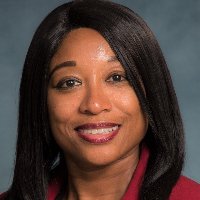
Georgia · 8 yrs exp
Dr. Vivia Hill-Silcott, LPC - Anxiety and relationship support
Stress, Anxiety · Relationship · Family · Grief · +11 more
Read profile
Louisiana · 7 yrs exp
Dr. Tanya Harrell, LPC - Relationships and Trauma
Stress, Anxiety · Family · Trauma and abuse · Parenting · +15 more
Read profile
Texas · 12 yrs exp
LMFT - relationships and mood concerns
Stress, Anxiety · Addictions · Relationship · Grief · +11 more
Read profile
California · 12 yrs exp
LMFT - Emotion and relationship concerns
Stress, Anxiety · Family · Parenting · Self esteem · +8 more
Read profile
Illinois · 20 yrs exp
Licensed counselor - emotion and behavior work
Stress, Anxiety · LGBT · Anger · Self esteem · +12 more
Read profile
North Carolina · 10 yrs exp
Licensed Clinical Social Worker - Relationships and Mood
Stress, Anxiety · Relationship · Family · Bipolar · +16 more
Read profile
Texas · 17 yrs exp
Licensed Professional Counselor - Relationship and Mood concerns
Stress, Anxiety · Family · Depression · Coping with life changes · +12 more
Read profile
Florida · 17 yrs exp
Licensed Mental Health Counselor - Relationships and Addiction
Stress, Anxiety · Addictions · Relationship · Family · +14 more
Read profile
Louisiana · 10 yrs exp
LPC - relationships and emotional patterns
Stress, Anxiety · Relationship · Family · Depression · +12 more
Read profile
Texas · 10 yrs exp
Licensed Professional Counselor - Relationships and Emotion
Stress, Anxiety · Relationship · Family · Depression · +14 more
Read profile
Wisconsin · 8 yrs exp
Licensed Professional Counselor - relationships and identity
Relationship · Intimacy-related issues · Coping with life changes · Stress, Anxiety · +8 more
Read profile
Illinois · 10 yrs exp
Licensed counselor - relationships and trauma
Stress, Anxiety · LGBT · Relationship · Trauma and abuse · +10 more
Read profile
Georgia · 15 yrs exp
Licensed Professional Counselor - Emotional and relationship concerns
Stress, Anxiety · Grief · Intimacy-related issues · Self esteem · +10 more
Read profile
Colorado · 11 yrs exp
Licensed Professional Counselor - Emotion and relationships
Stress, Anxiety · LGBT · Trauma and abuse · Anger · +15 more
Read profile
Michigan · 21 yrs exp
LMSW - Relationships and Mood Concerns
Stress, Anxiety · Relationship · Family · Bipolar · +14 more
Read profile
Missouri · 14 yrs exp
Licensed Professional Counselor - relationships and emotion
Stress, Anxiety · Self esteem · Career · Depression · +13 more
Read profile
Texas · 22 yrs exp
Licensed Professional Counselor - Relationships and Emotional Health
Stress, Anxiety · Relationship · Trauma and abuse · Depression · +16 more
Read profile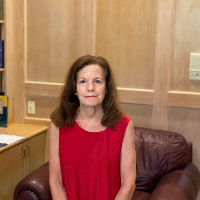
Massachusetts · 25 yrs exp
MA LMHC - Anxiety and Relationships
Stress, Anxiety · Relationship · Family · Self esteem · +14 more
Read profile
New Jersey · 8 yrs exp
LCSW - Emotional and relationship concerns
Stress, Anxiety · Relationship · Trauma and abuse · Bipolar · +14 more
Read profileIf you are searching for help with self esteem, you are likely thinking about how feelings about yourself affect daily life, relationships and work. Low self esteem can show up as repeated self-criticism, avoidance of challenges, difficulty expressing needs, or discomfort in close relationships. You may be looking for ways to notice recurring patterns, understand the emotional triggers behind them and develop different ways of relating to yourself and others. Therapy can offer a setting to explore those patterns with a trained professional who can help you recognize emotions that have been shaping your choices and interactions.
Keep in mind that different therapists describe their focus in different ways. Some professionals emphasize emotion processing, others emphasize behavioral experiments or skill-building, and some combine several approaches. A therapist who lists Self Esteem as a focus is signaling interest in that area, but that listing does not tell you everything about how they will work with you. Use the profiles to compare how each clinician frames their work and how that aligns with what you want to address.
Emotionally-Focused Therapy (EFT) is an approach that looks at emotions, attachment and the patterns that repeat between people. In plain language, EFT helps you notice the feelings that drive your reactions, identify the ways you seek connection or protect yourself, and practice new emotional responses that change those repetitive patterns. EFT is used with individuals and often with couples. When professionals list EFT among their approaches, it indicates they draw on ideas about emotion and attachment as part of their work rather than proving any specific credential in EFT.
For someone focused on self esteem, EFT-style work may help you understand how early relational experiences and current relationships shape your inner narrative. It can be useful for exploring the emotion behind self-criticism, the fear of rejection that underlies avoidance, and the needs you are trying to meet through certain behaviors. That said, EFT is one of many approaches that therapists may use, and seeing EFT listed on a profile does not guarantee it will be the primary method used with you. It is appropriate to ask how a clinician integrates EFT ideas with other techniques and how they typically work with concerns like yours.
Before you decide to contact a clinician, prepare a few concrete questions that will help you compare how each person works. You might ask how they describe their approach when working with self esteem, what a typical early session focuses on, and how they balance emotion-focused exploration with practical skills. You can also ask about their experience working with people who share your background or life stage, and whether they describe their style as more reflective, directive or collaborative. Direct questions about prior experience do not assume outcomes - they simply help you see whether a clinician has worked with similar concerns.
When you read a profile, note how the clinician describes the populations they focus on and whether they mention specific areas of experience that matter to you, such as adolescence, life transitions, cultural identity or relationship issues. You can ask about the kinds of goals they typically set with clients and how they measure progress. A clear conversation about goals and methods can help you understand what starting therapy would likely look like with that clinician.
If you are considering remote sessions, it helps to talk through practical and safety considerations before you begin. Ask how the clinician manages technology, what platform they use, and what steps they take to protect your privacy during sessions. Clarify expectations about session length, how they handle missed sessions, and how they will communicate between meetings if that is part of their practice. Because therapists in this directory are based in different countries, also ask whether they are permitted to provide care to people in your jurisdiction and what regulations apply to their practice across state or national lines.
If you are in a situation where you are unsafe at home or worried about domestic abuse, contact local emergency services or a domestic-abuse helpline immediately rather than relying on directory listings or online messaging. Discuss with any clinician you contact what they recommend if you experience a crisis between sessions, including local emergency contacts. You should also discuss information-sharing boundaries and limits to it, your own privacy needs, and whether sessions may be recorded or documented in a way that affects you. Clear communication about these practical matters helps you make an informed decision about starting remote care.
Use the profiles to compare concrete elements that matter to you. Start with focus areas and approach descriptions to see whether a clinician mentions self esteem in a way that matches your needs. Look for language offerings in the profile if communicating in a particular language is important to you. Pay attention to the listed location to understand which jurisdictions the clinician references, and read how they describe their therapeutic style and the populations they list.
When you look at credentials, distinguish academic degrees from professional permission to practice. Degrees such as PhD, PsyD, MD, MA and MSW indicate academic training, while professional licenses or registrations determine formal permission to practice in a given place. In the United States, clinicians typically hold a state license; in the United Kingdom and Australia, you will see references to registration or membership with professional bodies. A degree alone does not establish current permission to practice. Profiles may list both degrees and professional credentials; if the distinction matters to you, ask a clinician to clarify their registration, licensing or membership status in their listed location.
Also consider how a clinician describes their therapeutic style. Some people prefer a clinician who emphasizes emotion-focused exploration, others want a more skills-based approach, and some value a balance. Read profiles for signals about tone - whether the clinician writes about collaborative goal-setting, structured planning or reflective exploration - and use those cues to form questions you can ask directly. Remember that a listed topic does not establish that a clinician treats children, couples or families, so discuss your specific needs and the clinician's scope directly when you reach out. Thoughtful comparison will help you identify which profiles merit a direct conversation so you can learn more about fit and approach.
Alabama
42 therapists
Alaska
4 therapists
Arizona
43 therapists
Arkansas
17 therapists
Australia
98 therapists
California
162 therapists
Colorado
83 therapists
Connecticut
19 therapists
Delaware
6 therapists
District of Columbia
7 therapists
Florida
364 therapists
Georgia
89 therapists
Hawaii
7 therapists
Idaho
20 therapists
Illinois
105 therapists
Indiana
61 therapists
Iowa
11 therapists
Kansas
21 therapists
Kentucky
30 therapists
Louisiana
58 therapists
Maine
4 therapists
Maryland
28 therapists
Massachusetts
35 therapists
Michigan
100 therapists
Minnesota
31 therapists
Mississippi
28 therapists
Missouri
70 therapists
Montana
18 therapists
Nebraska
15 therapists
Nevada
16 therapists
New Hampshire
8 therapists
New Jersey
64 therapists
New Mexico
15 therapists
New York
115 therapists
North Carolina
115 therapists
North Dakota
2 therapists
Ohio
59 therapists
Oklahoma
39 therapists
Oregon
19 therapists
Pennsylvania
85 therapists
Rhode Island
3 therapists
South Carolina
53 therapists
South Dakota
3 therapists
Tennessee
38 therapists
Texas
281 therapists
United Kingdom
540 therapists
Utah
23 therapists
Vermont
6 therapists
Virginia
37 therapists
Washington
44 therapists
West Virginia
12 therapists
Wisconsin
45 therapists
Wyoming
14 therapists