- Emotionally-Focused Therapy
- CBT and DBT skills
- Stress and addiction support
About Audrey
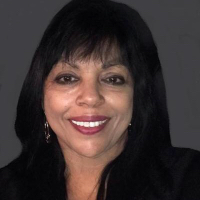
Audrey Heble is a Licensed Marriage and Family Therapist (LMFT) practicing in California with 22 years of experience. She works with people who are struggling with stress, anxiety, addictions, relationship concerns, trauma and abuse, grief, parenting strain, and changes in life circumstances.
She focuses on clear, direct conversation. Sessions often look like naming difficult emotions, tracing how those feelings affect choices, and finding small, doable ways to change patterns. She uses Emotionally-Focused Therapy (EFT) alongside client-centered and cognitive-behavioral ideas to help people understand their emotional responses.
Audrey also draws on techniques from dialectical behavior therapy and existential approaches to support coping skills, decision-making, and meaning-making. That mix helps when someone is facing anger, low self-esteem, addictive behaviors, or a midlife shift. She pays attention to attachment and family-of-origin issues when those come up.
Practical steps are emphasized in sessions. People can expect talk that moves toward clearer feelings and clearer choices. Audrey adapts the conversation to each person’s pace and what they need that week.
She works in English and practices in California as an LMFT. If someone wants to begin, they are asked to use the site’s matching and scheduling flow to set an initial session and share a brief questionnaire first.
How her approaches translate to online work
Emotionally-Focused Therapy (EFT) focuses on identifying and naming core emotions and the patterns they create in relationships and daily life; it can help when feelings are hard to recognize or when patterns repeat. Client-Centered Therapy emphasizes the person’s perspective and allows sessions to unfold around what feels most urgent; it helps people feel heard and respected as they decide where to go next. Cognitive Behavioral Therapy (CBT) looks at the links between thoughts, feelings, and actions and offers concrete exercises to reduce anxiety and change unhelpful habits.Choosing the right approach is part of therapy. Audrey works collaboratively to figure out which methods fit a person’s goals and preferences, and she adjusts the mix as needs change. That helps keep work focused and relevant rather than fixed to a single method.
Session formats are not specified in the biography, so confirm current session options before booking. Many people find online sessions make it easier to fit therapy into a busy day, shorten commute time, or use a quieter place at work for a check-in. Online work can also let someone try talking through difficult feelings without needing to travel, and therapists will use practical tools from EFT, CBT, and client-centered work to help people practice new responses between sessions.
Areas of expertise
Primary focus
Also works with
Additional focus areas
Therapeutic approaches
Experience
22+ years
Listed in
California
Languages
English
Frequently asked questions
What concerns does she work with?
She helps people with stress, anxiety, addictions, relationship and intimacy issues, trauma and abuse, grief, parenting strain, anger, self-esteem, career and life changes.
How would you describe her therapeutic style?
Her style is conversational and practical, focusing on naming emotions, looking at patterns, and testing small changes in behavior.
How much experience does she have?
She has 22 years of professional experience working with a range of emotional and relationship concerns.
What are her credentials and where does she practice?
She is a Licensed Marriage and Family Therapist (LMFT) licensed in California and practices there.
Which languages are supported?
Sessions are offered in English.
Does she accept clients internationally?
She does not accept international clients at this time.
What is the cost structure?
Cost varies with location and sessions use a subscription model that can be canceled at any time.
How do I begin a first session?
Select the See online therapy options button, complete a short matching questionnaire, and schedule a first session through the site.
Profile details come from information the therapist supplied to BetterHelp. Credential and registration rules differ between the United States, the United Kingdom and Australia.