
Kelley Sullivan
LCSWColorado · 19 yrs exp
LCSW - emotion and attachment focused
Stress, Anxiety · Relationship · Trauma and abuse · Grief · +12 more
Read profileTherapist listings are provided by BetterHelp. We will earn a commission at no additional cost to you if you use our links to purchase.
Compare clinician profiles that list Family of Origin Issues alongside Emotionally-Focused Therapy to find practitioners whose approach and experience fit your needs. Browse profiles by listed location, languages spoken, credentials, and stated areas of focus to help narrow your search.
Colorado · 19 yrs exp
LCSW - emotion and attachment focused
Stress, Anxiety · Relationship · Trauma and abuse · Grief · +12 more
Read profile
Florida · 20 yrs exp
Dr. Daniella Jackson, LMHC - Addiction and relationship concerns
Stress, Anxiety · Addictions · Relationship · Self esteem · +16 more
Read profile
Louisiana · 7 yrs exp
Dr. Tanya Harrell, LPC - Relationships and Trauma
Stress, Anxiety · Family · Trauma and abuse · Parenting · +15 more
Read profile
Texas · 12 yrs exp
LMFT - relationships and mood concerns
Stress, Anxiety · Addictions · Relationship · Grief · +11 more
Read profile
North Carolina · 10 yrs exp
Licensed Clinical Social Worker - Relationships and Mood
Stress, Anxiety · Relationship · Family · Bipolar · +16 more
Read profile
Texas · 17 yrs exp
Licensed Professional Counselor - Relationship and Mood concerns
Stress, Anxiety · Family · Depression · Coping with life changes · +12 more
Read profile
Louisiana · 10 yrs exp
LPC - relationships and emotional patterns
Stress, Anxiety · Relationship · Family · Depression · +12 more
Read profile
Texas · 10 yrs exp
Licensed Professional Counselor - Relationships and Emotion
Stress, Anxiety · Relationship · Family · Depression · +14 more
Read profile
Wisconsin · 8 yrs exp
Licensed Professional Counselor - relationships and identity
Relationship · Intimacy-related issues · Coping with life changes · Stress, Anxiety · +8 more
Read profile
Illinois · 10 yrs exp
Licensed counselor - relationships and trauma
Stress, Anxiety · LGBT · Relationship · Trauma and abuse · +10 more
Read profile
South Carolina · 36 yrs exp
LISW-CP therapist - mood and life transitions
Stress, Anxiety · Addictions · Family · Trauma and abuse · +3 more
Read profile
Colorado · 11 yrs exp
Licensed Professional Counselor - Emotion and relationships
Stress, Anxiety · LGBT · Trauma and abuse · Anger · +15 more
Read profile
Michigan · 21 yrs exp
LMSW - Relationships and Mood Concerns
Stress, Anxiety · Relationship · Family · Bipolar · +14 more
Read profile
Missouri · 14 yrs exp
Licensed Professional Counselor - relationships and emotion
Stress, Anxiety · Self esteem · Career · Depression · +13 more
Read profile
Texas · 22 yrs exp
Licensed Professional Counselor - Relationships and Emotional Health
Stress, Anxiety · Relationship · Trauma and abuse · Depression · +16 more
Read profile
Florida · 20 yrs exp
Licensed Mental Health Counselor - stress and relationships
Stress, Anxiety · Relationship · Family · Self esteem · +9 more
Read profile
Texas · 10 yrs exp
Licensed Marriage and Family Therapist - relationships and emotion-focused work
Stress, Anxiety · Relationship · Family · Parenting · +5 more
Read profile
Virginia · 14 yrs exp
Licensed Professional Counselor - Trauma and mood concerns
Trauma and abuse · Grief · Coping with life changes · Compassion fatigue · +12 more
Read profile
Florida · 14 yrs exp
Licensed Clinical Social Worker - Mood and relationships
Stress, Anxiety · Trauma and abuse · Grief · Self esteem · +13 more
Read profile
Texas · 33 yrs exp
Licensed Clinical Social Worker - relationships and stress
Stress, Anxiety · Relationship · Family · Self esteem · +11 more
Read profile
Colorado · 5 yrs exp
LCSW helping with relationships and trauma
Stress, Anxiety · Relationship · Family · Trauma and abuse · +10 more
Read profile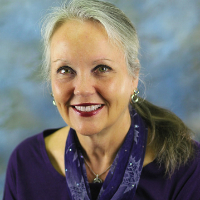
Ohio · 23 yrs exp
LPCC in Ohio - Stress and Relationship Concerns
Stress, Anxiety · Relationship · Grief · Coping with life changes · +11 more
Read profile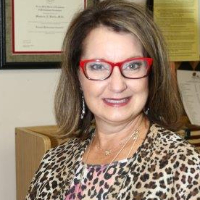
Texas · 4 yrs exp
Licensed Professional Counselor - Stress and Relationship Concerns
Stress, Anxiety · Addictions · Relationship · Family · +3 more
Read profile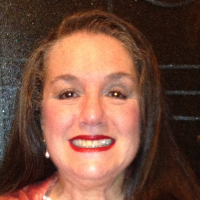
Florida · 13 yrs exp
LMHC - Stress and Relationship Concerns
Stress, Anxiety · Relationship · Intimacy-related issues · Depression · +15 more
Read profileFamily of origin issues refer to patterns, roles, communication habits and emotional dynamics that developed in the household where you grew up and that continue to influence your relationships, beliefs and emotional responses. These concerns can show up as repeating relationship patterns, difficulty trusting others, strong reactions to certain triggers, or long-standing questions about identity and attachment. When you start looking for help, you may be focusing on healing specific wounds from childhood, improving how you relate to partners or family members now, or understanding how early experiences shape your choices and wellbeing.
Seeking support often begins with a desire to change a pattern that feels stuck. It is reasonable to expect a conversation about what you hope to address, what has been tried before, and how you imagine a different future. Therapists who list Family of Origin Issues as a focus may frame their work around understanding relational patterns across generations, exploring emotions connected to early attachments, or helping you build new ways of relating. Profiles describe approaches and backgrounds, but they do not guarantee outcomes. If you are in immediate danger or experiencing domestic abuse, contact local emergency services or a domestic-abuse helpline right away.
Emotionally-Focused Therapy, often written as Emotionally-Focused Therapy (EFT), is an approach that looks at emotions, attachment and the patterns that repeat between people. In plain language, EFT pays attention to how your feelings guide interactions with others and how early attachment experiences shape expectations for intimacy and support. Practitioners who list EFT among their approaches use it with individuals and often with couples, framing concerns in terms of emotional responses and attachment needs rather than only behaviors or thoughts.
When family of origin issues are part of what you want to work on, EFT-style work might help you identify the emotional responses that keep certain patterns going and then experiment with new ways of expressing needs and responding to others. That said, listing EFT among approaches on a profile is not evidence of formal certification, and approaches vary from one clinician to another. You should view EFT as one option to discuss, not a promise of a particular result. Therapists integrate many perspectives and tailor their work to individual goals, so explore profiles to understand how each clinician describes the role of emotions and attachment in their practice.
When you review profiles, prepare concrete questions that will help you assess fit. You might ask how the clinician understands family of origin work, whether they focus on exploring memories and narratives or on building present-moment emotional skills, and how they balance insight with practical coping strategies. Ask how they describe the role of attachment in their work and whether they commonly combine EFT with other approaches. These details help you see whether their stated orientation aligns with what you want to prioritize.
Clarify questions about populations and scope. Ask if the clinician has experience working with adults who grew up in similar cultural or family contexts to yours, how they address issues related to identity and diversity, and whether they have experience discussing intergenerational dynamics. Distinguish academic degrees from permission to practice: someone may list a PhD, PsyD, MD, MA or MSW, but degrees are not the same as being licensed in the United States or registered or a member of a professional body in the United Kingdom and Australia. Ask what credential allows them to practice in the listed location and what that credential permits in terms of scope of work. Remember that a listed focus does not automatically mean a clinician treats couples, children or families; bring up specific needs directly in conversation.
If you are considering remote sessions, discuss logistical and safety topics before you begin. Ask where the therapist is legally permitted to provide care from and whether that affects practice across different jurisdictions. Confirm how they handle technology, what platform or method they use for sessions, and how they will address interruptions or disconnections. It is important to agree on an emergency plan that makes sense for your listed location, including who to contact locally if you need urgent support, and to ask whether the clinician has experience working with people who may be in distress between sessions.
Talk about the environment you expect to create for sessions. For example, many people ask about creating a consistent safe setting in the home for remote work, how to manage privacy in shared living situations, and how to handle situations when a family member may overhear sensitive conversations. If you areunsafe at home or worried about immediate danger, contact emergency services or local domestic-abuse helplines rather than relying on an online session. Clarify with the clinician how they respond to reports of harm, what referrals they make for crisis care, and whether they will involve other professionals if needed.
Profiles can vary in how they describe focus areas and methods. As you compare entries, pay attention to the language used to describe family of origin work - whether the clinician emphasizes emotional processing, narrative exploration, behavioral change, or relational repair - and think about which description resonates with your goals. Look at listed languages to ensure you can communicate in the language you prefer, and note whether the clinician mentions cultural competence or experience with specific communities that are relevant to you.
Examine credentials carefully. Distinguish degrees such as PhD, PsyD, MD, MA and MSW from professional authorization. In the United States, clinicians are typically licensed by state boards; in the United Kingdom and Australia, clinicians may be registered or be members of professional associations that set standards. A degree statement alone does not confirm current permission to practice, so if this matters to you, ask about the credential that applies to the listed location. The tone of a profile and the clinician's description of their therapeutic style can also tell you a lot about fit - some clinicians write in a direct, structured manner while others emphasize a reflective, exploratory approach. Consider which style would feel more comfortable for you.
Finally, use profiles as a starting point for conversation rather than as a final decision. Reach out with targeted questions about approach, experience with family of origin issues, how they integrate emotion and attachment work, and what to expect in the first few sessions. This dialogue will give you a clearer sense of whether a clinician's approach, credentials and communication style match what you are looking for.
Alabama
42 therapists
Alaska
4 therapists
Arizona
43 therapists
Arkansas
17 therapists
Australia
98 therapists
California
162 therapists
Colorado
83 therapists
Connecticut
19 therapists
Delaware
6 therapists
District of Columbia
7 therapists
Florida
364 therapists
Georgia
89 therapists
Hawaii
7 therapists
Idaho
20 therapists
Illinois
105 therapists
Indiana
61 therapists
Iowa
11 therapists
Kansas
21 therapists
Kentucky
30 therapists
Louisiana
58 therapists
Maine
4 therapists
Maryland
28 therapists
Massachusetts
35 therapists
Michigan
100 therapists
Minnesota
31 therapists
Mississippi
28 therapists
Missouri
70 therapists
Montana
18 therapists
Nebraska
15 therapists
Nevada
16 therapists
New Hampshire
8 therapists
New Jersey
64 therapists
New Mexico
15 therapists
New York
115 therapists
North Carolina
115 therapists
North Dakota
2 therapists
Ohio
59 therapists
Oklahoma
39 therapists
Oregon
19 therapists
Pennsylvania
85 therapists
Rhode Island
3 therapists
South Carolina
53 therapists
South Dakota
3 therapists
Tennessee
38 therapists
Texas
281 therapists
United Kingdom
540 therapists
Utah
23 therapists
Vermont
6 therapists
Virginia
37 therapists
Washington
44 therapists
West Virginia
12 therapists
Wisconsin
45 therapists
Wyoming
14 therapists