- Emotionally-Focused Therapy
- CBT techniques
- Solution-focused steps
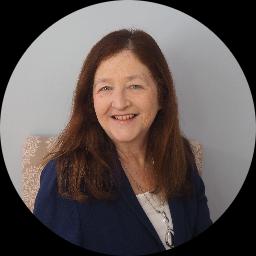
About Chrystine
Chrystine Longley is a LICSW and LCSW licensed to practice in Massachusetts with six years of clinical experience. She works with people coping with stress, anxiety, trauma and abuse, grief, anger, and depression. Her approach suits those who need practical ways to manage strong emotions and daily strains.
Chrystine uses Emotionally-Focused Therapy (EFT) alongside Client-Centered and Cognitive Behavioral Therapy (CBT) methods. She focuses on helping clients notice their emotional responses, name difficult feelings, and try different ways of responding in day-to-day life. Sessions tend to be straightforward and focused on what matters now.
Her background includes work with military and first responder populations, and with people facing chronic illness, caregiver strain, cancer, and end-of-life concerns. She also supports people dealing with communication problems, divorce and separation, and issues around guilt, shame, and forgiveness.
In sessions Chrystine helps clients set clear goals, test small changes, and build habits that reduce distress. She uses elements of solution-focused work to identify practical next steps and CBT tools to address unhelpful thinking patterns. Trauma-focused techniques are brought in when past events continue to affect daily functioning.
Chrystine speaks English and practices in Massachusetts. Her practice operates on a subscription model that can be canceled at any time. To begin, clients complete a short matching questionnaire and schedule a first session.
How Chrystine uses EFT, CBT, and client-centered work online
Emotionally-Focused Therapy (EFT) is used to help people identify and name hard-to-see emotions and the interaction patterns that keep those feelings stuck. It can be useful when strong feelings repeatedly shape how someone reacts to stress or loss.Client-Centered Therapy focuses on the person’s experience in the moment. It emphasizes listening and reflecting so a client can find their own answers and make practical choices about the next steps.
Cognitive Behavioral Therapy (CBT) looks at thoughts and behaviors together. It offers specific techniques to test unhelpful thoughts and try small behavioral changes that reduce anxiety, panic, or depressive symptoms.
Finding the right mix of approaches is part of the work. Chrystine will collaborate with each client to decide whether EFT, CBT, or more solution-focused tools best match their needs, goals, and preferences. That choice can change as progress is made.
Session formats are not listed in the biography, so confirm current options before booking. Online sessions can make it easier to fit therapy into a busy day, allow shorter check-ins when needed, and remove travel time. Clients should confirm which session types are offered and choose what fits their schedule and comfort level.
Areas of expertise
Primary focus
Additional focus areas
Therapeutic approaches
Experience
6+ years
Listed in
Connecticut, Massachusetts
Languages
English
Frequently asked questions
What kinds of problems does she work with?
Chrystine works with stress, anxiety, trauma and abuse, grief, anger, and depression, plus related issues like chronic illness, caregiver stress, and end-of-life concerns.
What is her therapeutic style?
She combines Emotionally-Focused Therapy with Client-Centered and CBT approaches to help clients name emotions and try practical changes.
How much experience does she have?
Chrystine has six years of professional therapeutic intervention experience, including work with military and first responder populations.
What are her credentials and where does she practice?
She holds MA LICSW and CT LCSW credentials and provides services in Massachusetts.
Which languages are supported?
Sessions are offered in English.
Can international clients work with her?
She does not accept international clients at this time.
How are sessions paid for and what does it cost?
Sessions use a subscription that can be canceled at any time; specific cost varies with location.
How do I get started with a first session?
Select the See online therapy options button, complete a short matching questionnaire, and schedule a first session.
Profile details come from information the therapist supplied to BetterHelp. Credential and registration rules differ between the United States, the United Kingdom and Australia.