- Emotion-focused work
- Cognitive behavioral tools
- Motivational interviewing
About David
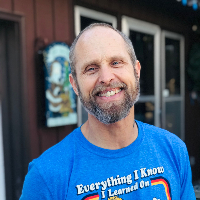
David Krych is a Licensed Clinical Social Worker (LCSW) practicing in Wisconsin with 19 years of clinical experience. He helps people facing stress, anxiety, addiction, relationship and intimacy struggles, parenting concerns, grief, trauma and a range of mood and behavior issues. He also supports those coping with life changes, caregiver strain, body-image concerns, and questions about life purpose.
He draws on Emotionally-Focused Therapy (EFT) alongside client-centered and cognitive behavioral approaches. Sessions focus on naming and working with strong emotions, clarifying what matters to each person, and building practical skills that can be used between meetings. He talks with clients about patterns that keep them stuck and offers straightforward strategies to shift those patterns.
David’s background includes many years working with adolescents and later concentrating on substance use and recovery after his own experience with addiction. That lived experience informed his approach and his interest in helping people build stable recovery and better relationships. He describes therapy as a place to talk through efforts to become more peaceful and self-accepting.
In sessions he begins by getting to know a person’s goals and history. From there he works with strengths and skills already present in a person’s life, and adds techniques from CBT, motivational interviewing, and existential ideas when useful. The work is practical and paced to the person’s readiness.
He offers services in English and accepts international clients. Before booking, readers should confirm current session formats and scheduling options.
How this approach translates to online work
David commonly blends Emotionally-Focused Therapy with client-centered and cognitive behavioral ideas. EFT focuses on identifying and working with hard-to-name emotions and patterns in relationships or personal life. It can help when feelings drive repeated unhelpful reactions. Client-centered therapy emphasizes listening and building understanding of a person’s experience to guide change. Cognitive Behavioral Therapy adds concrete skills to notice thoughts and try different behaviors when those thoughts lead to distress.Choosing the right approach is collaborative. The therapist will work with each person to decide which combination of methods fits their goals, needs, and preferences. That choice can shift as progress is made or new issues appear.
The original biography does not specify session formats, so confirm available online options before booking. Many people find online sessions helpful for fitting therapy into busy days, reducing travel time, and keeping check-ins brief when needed. Online work can make it easier to maintain continuity while managing appointments around work, school, or caregiving. Licensed professionals can adapt EFT and CBT techniques to an online setting and focus on practical steps you can use between sessions.
Areas of expertise
Primary focus
Also works with
Additional focus areas
Therapeutic approaches
Experience
19+ years
Listed in
Wisconsin
Languages
English
Frequently asked questions
What kinds of problems does he help with?
He works with stress, anxiety, addiction, relationship and intimacy issues, parenting concerns, grief, trauma, depression, bipolar symptoms, anger, eating concerns, and life changes.
What therapy style does he use?
He uses Emotionally-Focused Therapy alongside client-centered methods and Cognitive Behavioral Therapy. He may also draw on motivational interviewing and existential ideas when they fit.
How much experience does he have?
He has 19 years of clinical experience. His work history includes many years with adolescents and a later focus on substance use and recovery.
What are his credentials and where is he based?
He is a Licensed Clinical Social Worker, LCSW, licensed in Wisconsin and practicing from that state.
Can I work with him if I live outside the United States?
Sessions are offered to international clients. Sessions are conducted in English.
What session formats are offered?
The original profile does not list specific session formats. Please confirm current session options before booking.
How are fees handled?
Cost varies with location and sessions are provided through a subscription that can be canceled at any time.
How do I begin working with him?
Use the See online therapy options button, complete a short matching questionnaire, and schedule a first session.
Profile details come from information the therapist supplied to BetterHelp. Credential and registration rules differ between the United States, the United Kingdom and Australia.