- Emotionally-Focused Therapy
- Attachment-based work
- Cognitive Behavioral Therapy
About James
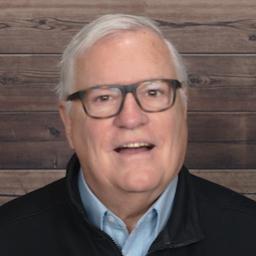
Dr. James Bedell is a clinical psychologist licensed in Illinois with 38 years of experience. He works with people facing stress, anxiety, depression, addictions, relationship and family concerns, trauma and abuse, grief, intimacy issues, and a range of other challenges listed in his profile.
He begins by looking at the biological, psychological, and social parts of a person's life. He also considers how early attachment experiences and thinking patterns interact with current problems. Sessions aim to identify practical steps that reduce distress and improve day-to-day functioning.
Dr. Bedell uses Emotionally-Focused Therapy alongside attachment-based ideas and cognitive approaches. He also draws on Dialectical Behavior Therapy and EMDR when appropriate. The focus is on clear clinical thinking and interventions that address symptoms alongside their underlying causes.
Clients can expect a direct but respectful working relationship. He says he builds an alliance to promote safety and mutual respect, then works collaboratively to address the issues brought to therapy. Conversations move between understanding patterns and practicing strategies for change.
He has experience with forensic and court-involved settings as part of a long clinical career. That background informs his assessment and treatment planning for people with complex presentations. If you are considering therapy, he asks that you start by completing the platform matching steps to schedule an initial session.
How his approaches translate to online sessions
Emotionally-Focused Therapy (EFT) focuses on identifying and shifting emotional patterns that keep people stuck. It helps when feelings are hard to name and relationship or attachment patterns keep repeating. Attachment-Based Therapy looks at early bonds and how they shape current relationships and reactions, helping people understand long-standing patterns. Cognitive Behavioral Therapy (CBT) examines thinking and behavior patterns and offers concrete tools to reduce symptoms like anxiety and depression.Finding the right approach is part of the work. The therapist will collaborate with each person to decide which methods fit their needs, goals, and preferences. That might mean combining EFT with CBT skills or bringing in DBT or EMDR elements when they are relevant to the problem.
Session formats are not specified in the biography, so confirm the available online options before booking. Many people choose online sessions because they can fit therapy into work breaks, avoid travel time, or do shorter check-ins when needed. Online work can allow steady access to treatment and make it easier to keep regular appointments while balancing daily responsibilities.
Areas of expertise
Primary focus
Also works with
Additional focus areas
Therapeutic approaches
Experience
38+ years
Listed in
Illinois
Languages
English
Frequently asked questions
What concerns does he address?
He works with stress, anxiety, depression, addictions, relationship and family concerns, trauma and abuse, grief, intimacy issues, and many other listed difficulties.
What therapy approach does he use?
His core approaches include Emotionally-Focused Therapy, attachment-based ideas, CBT, DBT, and EMDR. He integrates these to address emotions, patterns, and symptoms.
How long has he been practicing?
He has 38 years of experience as a clinical psychologist working in a variety of settings.
Where is he licensed to practice?
He is an Illinois psychologist licensed as IL Psychologist 071004954 and practices in Illinois.
Which languages are supported?
Sessions are offered in English.
Can international clients work with him?
He does not accept international clients at this time.
How are fees handled?
Cost varies with location and sessions use a subscription that can be canceled at any time.
How do I begin the process?
Start by selecting the See online therapy options button, completing the short matching questionnaire, and then scheduling a first session.
Profile details come from information the therapist supplied to BetterHelp. Credential and registration rules differ between the United States, the United Kingdom and Australia.