- Emotionally-Focused Therapy
- Cognitive Behavioral Therapy
- Mindfulness techniques
About Kristine
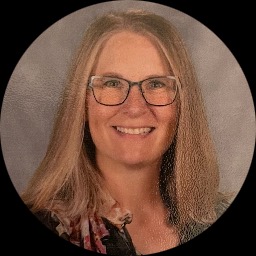
Kristine Donaldson is a Licensed Clinical Social Worker (LCSW) practicing in Illinois with 14 years of clinical experience. She works with people facing depression, anxiety, compassion fatigue, and a wide range of other concerns listed in her practice. Kristine meets people who are coping with life changes and struggling with things like grief, addiction, or workplace stress.
She uses therapies that address emotions, behavior, and traumatic memories. Emotionally-Focused Therapy (EFT) is one of the approaches she lists. She also uses Cognitive Behavioral Therapy (CBT), Dialectical Behavior Therapy (DBT), Eye Movement Desensitization and Reprocessing (EMDR), and Mindfulness Therapy when those methods fit a person's needs.
Sessions focus on clear, practical steps alongside time to talk about feelings. Kristine helps people name what's happening for them, notice patterns that keep problems going, and try different ways of coping. She also works on communication problems, control issues, guilt and shame, and isolation.
Her background includes work with trauma and abuse, bipolar disorder, panic and obsessive symptoms, and somatization. She supports people dealing with parenting stress, relationship strain, and financial or career pressures. Seasonal Affective Disorder and smoking or vaping cessation are also listed areas of focus.
Kristine asks people to start by selecting the online therapy options button and completing a short matching questionnaire. That step leads to scheduling a first session and clarifying which approaches will be used going forward.
How Kristine uses EFT, CBT and DBT in online work
Emotionally-Focused Therapy (EFT) is focused on identifying and naming emotions and the interaction patterns that keep people stuck. It is often used when feelings are hard to put into words or when relationship and attachment patterns matter. Cognitive Behavioral Therapy (CBT) looks at the links between thoughts, feelings, and actions and gives concrete skills for changing unhelpful patterns. Dialectical Behavior Therapy (DBT) offers skills for emotional regulation, distress tolerance, and improving interpersonal effectiveness. Finding the best approach tends to be a collaborative process. The therapist will talk with the person about goals, preferences, and what feels most helpful. Together they decide whether EFT, CBT, DBT, EMDR, mindfulness techniques, or a mix will be tried in sessions. The profile does not specify which session formats are used, so confirm current options before booking. Online sessions can make it easier to fit therapy into a workday, reduce travel time, and allow shorter check-ins when needed. They also let people work with licensed professionals from their own region while still choosing approaches that match their needs.Areas of expertise
Primary focus
Also works with
Additional focus areas
Therapeutic approaches
Experience
14+ years
Listed in
Illinois
Languages
English
Frequently asked questions
What kinds of problems does she help with?
She works with depression, anxiety, compassion fatigue, addictions, and grief among other concerns listed in her profile.
What therapeutic approach does she use?
Emotionally-Focused Therapy (EFT) is one of the approaches she lists. She also uses CBT, DBT, EMDR, and mindfulness-based methods as appropriate.
How much clinical experience does she have?
She has 14 years of experience as a clinician working in the mental health field.
Where is she licensed and practicing?
Kristine is an LCSW licensed in Illinois and provides services based on that licensure.
Which languages are supported?
Sessions are offered in English.
Does she see clients outside the U.S.?
International clients are not currently accepted.
How are costs handled?
Cost varies with location and sessions use a subscription that can be canceled at any time.
What are the first steps to begin?
Select the See online therapy options button, complete a short matching questionnaire, and schedule a first session.
Profile details come from information the therapist supplied to BetterHelp. Credential and registration rules differ between the United States, the United Kingdom and Australia.