- Emotionally-Focused Therapy
- Attachment work
- CBT tools
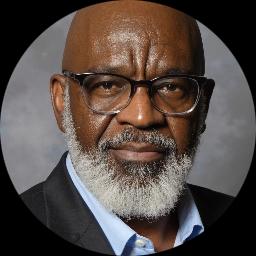
About Darrell
Darrell Patterson is a Florida licensed mental health counselor (FL LMHC) with nine years of clinical experience. He focuses on common life stresses such as anxiety, depression, grief, addiction concerns, and problems that make daily functioning harder. Darrell uses a mix of approaches to help people name strong emotions and build better patterns in their lives.
He draws on Emotionally-Focused Therapy, attachment‑based ideas, and client‑centered methods to guide conversations about feelings and relationship patterns. He also uses cognitive behavioral tools and motivational interviewing techniques when practical. Sessions emphasize clear steps people can try between meetings to practice new ways of responding.
Darrell’s background includes a master’s degree in counseling and psychology from Palm Beach Atlantic University and an undergraduate degree from Florida State University. He previously served as a commissioned officer in the United States Army and worked in business and corporate training before moving into counseling. Those roles shape a direct, practical approach in session.
In meetings he focuses on understanding how past and current relationships affect what someone feels now. He helps people talk through abandonment concerns, codependency, communication problems, and issues like impulsivity or anger. He also addresses life transitions such as midlife change, fatherhood issues, and aging concerns.
People who choose Darrell can expect straightforward conversation about goals and small, concrete exercises to try outside of session. He works in English and practices in Florida as an FL LMHC.
Therapeutic approaches and online sessions
Darrell uses Emotionally-Focused Therapy to help people identify and name intense emotions and the interaction patterns that keep those emotions active. EFT can be useful when relationship patterns or attachment-related feelings are a core part of the concern.He also draws on Attachment-Based Therapy to look at how early and current relationships shape trust, closeness and reactions under stress. Client‑Centered Therapy is part of his practice too, which means conversations begin with the person’s priorities and move at a pace they can manage.
Choosing an approach is part of the work. Darrell will collaborate with each person to decide which methods fit their goals and preferences. That may mean emphasizing emotional work, practical CBT tools, or motivational interviewing to support behavior change.
Session formats are not specified in the biography, so confirm current options before booking. Online work can make sessions easier to fit into a busy week, allow shorter check‑in meetings, or let someone avoid travel time. Discuss format preferences when you schedule a first appointment so practical arrangements match daily life and therapy goals.
Areas of expertise
Primary focus
Also works with
Additional focus areas
Therapeutic approaches
Experience
9+ years
Listed in
Florida
Languages
English
Frequently asked questions
What concerns does he help with?
He works with stress, anxiety, depression, trauma and addiction-related concerns, plus relationship and family stressors and grief.
What therapeutic style does he use?
He uses Emotionally-Focused Therapy alongside attachment‑based and client‑centered approaches, with CBT and motivational interviewing when helpful.
How much clinical experience does he have?
He has nine years of experience as a mental health clinician, including work with people facing depression, anxiety and unresolved trauma.
What are his credentials and where does he practice?
He is a Florida LMHC and practices in Florida.
Which languages are supported?
Sessions are offered in English only.
Can people outside the US work with him?
He does not accept international clients at this time.
How are sessions paid for and what do they cost?
Cost varies by location and sessions use a subscription that can be canceled at any time.
How do I begin a first session?
Select the See online therapy options button, complete the short matching questionnaire, and schedule a first session.
Profile details come from information the therapist supplied to BetterHelp. Credential and registration rules differ between the United States, the United Kingdom and Australia.