
Ruth Vanden Bosch
LPCMichigan · 25 yrs exp
Licensed counselor - relationships and coping
Stress, Anxiety · LGBT · Relationship · Grief · +10 more
Read profileTherapist listings are provided by BetterHelp. We will earn a commission at no additional cost to you if you use our links to purchase.
You can compare profiles to find therapists who list Emotionally-Focused Therapy and who note Young Adult Issues among their focus areas. Use the filters and read individual profiles to review approaches, credentials, languages and experience before you reach out.
Michigan · 25 yrs exp
Licensed counselor - relationships and coping
Stress, Anxiety · LGBT · Relationship · Grief · +10 more
Read profile
Colorado · 19 yrs exp
LCSW - emotion and attachment focused
Stress, Anxiety · Relationship · Trauma and abuse · Grief · +12 more
Read profile
Florida · 20 yrs exp
Dr. Daniella Jackson, LMHC - Addiction and relationship concerns
Stress, Anxiety · Addictions · Relationship · Self esteem · +16 more
Read profile
Louisiana · 7 yrs exp
Dr. Tanya Harrell, LPC - Relationships and Trauma
Stress, Anxiety · Family · Trauma and abuse · Parenting · +15 more
Read profile
North Carolina · 10 yrs exp
Licensed Clinical Social Worker - Relationships and Mood
Stress, Anxiety · Relationship · Family · Bipolar · +16 more
Read profile
Texas · 17 yrs exp
Licensed Professional Counselor - Relationship and Mood concerns
Stress, Anxiety · Family · Depression · Coping with life changes · +12 more
Read profile
Florida · 17 yrs exp
Licensed Mental Health Counselor - Relationships and Addiction
Stress, Anxiety · Addictions · Relationship · Family · +14 more
Read profile
Louisiana · 10 yrs exp
LPC - relationships and emotional patterns
Stress, Anxiety · Relationship · Family · Depression · +12 more
Read profile
Texas · 10 yrs exp
Licensed Professional Counselor - Relationships and Emotion
Stress, Anxiety · Relationship · Family · Depression · +14 more
Read profile
Illinois · 10 yrs exp
Licensed counselor - relationships and trauma
Stress, Anxiety · LGBT · Relationship · Trauma and abuse · +10 more
Read profile
Georgia · 15 yrs exp
Licensed Professional Counselor - Emotional and relationship concerns
Stress, Anxiety · Grief · Intimacy-related issues · Self esteem · +10 more
Read profile
South Carolina · 36 yrs exp
LISW-CP therapist - mood and life transitions
Stress, Anxiety · Addictions · Family · Trauma and abuse · +3 more
Read profile
Colorado · 11 yrs exp
Licensed Professional Counselor - Emotion and relationships
Stress, Anxiety · LGBT · Trauma and abuse · Anger · +15 more
Read profile
Michigan · 21 yrs exp
LMSW - Relationships and Mood Concerns
Stress, Anxiety · Relationship · Family · Bipolar · +14 more
Read profile
Texas · 22 yrs exp
Licensed Professional Counselor - Relationships and Emotional Health
Stress, Anxiety · Relationship · Trauma and abuse · Depression · +16 more
Read profile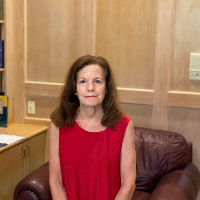
Massachusetts · 25 yrs exp
MA LMHC - Anxiety and Relationships
Stress, Anxiety · Relationship · Family · Self esteem · +14 more
Read profile
Florida · 20 yrs exp
Licensed Mental Health Counselor - stress and relationships
Stress, Anxiety · Relationship · Family · Self esteem · +9 more
Read profile
Texas · 10 yrs exp
Licensed Marriage and Family Therapist - relationships and emotion-focused work
Stress, Anxiety · Relationship · Family · Parenting · +5 more
Read profile
Virginia · 14 yrs exp
Licensed Professional Counselor - Trauma and mood concerns
Trauma and abuse · Grief · Coping with life changes · Compassion fatigue · +12 more
Read profile
Florida · 14 yrs exp
Licensed Clinical Social Worker - Mood and relationships
Stress, Anxiety · Trauma and abuse · Grief · Self esteem · +13 more
Read profile
Texas · 33 yrs exp
Licensed Clinical Social Worker - relationships and stress
Stress, Anxiety · Relationship · Family · Self esteem · +11 more
Read profile
Colorado · 5 yrs exp
LCSW helping with relationships and trauma
Stress, Anxiety · Relationship · Family · Trauma and abuse · +10 more
Read profile
Ohio · 23 yrs exp
LPCC in Ohio - Stress and Relationship Concerns
Stress, Anxiety · Relationship · Grief · Coping with life changes · +11 more
Read profile
Florida · 13 yrs exp
LMHC - Stress and Relationship Concerns
Stress, Anxiety · Relationship · Intimacy-related issues · Depression · +15 more
Read profileYoung adulthood often brings transitions and changes that can affect your mood, relationships and sense of direction. You might be navigating the move from education to work, shifting friendships, new family roles, dating or questions about identity and purpose. Those experiences can feel overwhelming at times, prompting you to look for help to manage anxiety, relationship patterns, difficulty making decisions or recurring emotional reactions that interfere with daily life. Seeking a therapist can be a step toward exploring the emotional patterns that keep repeating and learning ways to respond differently.
When you browse profiles on this site, you will see therapists who list Young Adult Issues as a focus area. That label is a starting point to compare clinicians who say they work with issues common in this life stage. It does not guarantee a particular style or training. Your decision may be guided by which clinicians describe experience with the specific transitions or concerns you are facing, the languages they speak, their approach to emotions and relationships, and how they describe the kind of work they do with young adults.
Emotionally-Focused Therapy, or EFT, is an approach that looks at emotions, attachment and the patterns that repeat between people. In plain language, it helps you explore the feelings that drive your reactions and the ways you relate to others when you are stressed or unsure. EFT is used with individuals and often with couples, though the presence of EFT on a profile simply indicates the approach is among those the therapist lists. It is not evidence of formal certification in EFT and it is not a guarantee of specific outcomes.
For a young adult, EFT-style work might mean spending time noticing which emotions are most active when relationships or life choices feel difficult, tracing how those emotions connect to past experiences and attachment needs, and trying new responses that change recurring patterns. You may find this focus helpful if you want to better understand why you react in certain ways, to strengthen close relationships, or to shift patterns that have felt stuck. Different therapists will use EFT ideas in different ways and alongside other approaches, so look for descriptions in profiles that explain how a clinician works with emotions and relationships.
When you review a profile or prepare for an initial conversation, having specific questions ready helps you learn whether a therapist’s approach fits your needs. Ask how the therapist describes their use of Emotionally-Focused Therapy and what that looks like in work with a young adult. For example, you might ask for examples of the types of issues they commonly explore with people in your life stage and how they balance emotional exploration with practical problem solving. Inquire whether they have experience with particular stressors you face - such as academic-to-work transitions, relocation, relationship breakups or caregiver changes - and how they adapt their methods for these situations.
It is also reasonable to ask about the clinician’s experience with populations similar to yours, including cultural, gender and sexual orientation questions that matter to you. Request clarification about any degrees or registrations they list. Academic degrees such as PhD, PsyD, MD, MA or MSW indicate specific training, but a degree alone does not confirm permission to practice; in the United States, licenses are issued by state boards, while in the United Kingdom and Australia clinicians may be registered or belong to professional associations. If professional authorization matters to you, ask which regulatory body or membership the therapist holds in the listed location and what that means for their practice.
Before beginning work, it helps to clarify practical matters so you feel prepared. If you plan to meet online, ask how the clinician handles privacy and data protection for video sessions and what steps you should take to ensure a suitable setting on your end. Discuss what to do in an emergency, including who to contact if you feel unsafe between sessions, and make sure you have local emergency numbers or domestic-abuse helpline contacts for your area. If your safety is at immediate risk, call emergency services in your country or a local domestic-abuse helpline rather than relying on an online contact.
Talk about session structure so you know what an initial meeting will cover. Some therapists will describe an intake conversation that explores your goals, history and practical needs, while others may emphasize beginning with what feels most pressing. Ask about typical session length and the ways the therapist measures progress or adjusts the plan. If language, cultural background or lived experience matters to you, raise those topics early so you can assess fit based on what the therapist notes in their profile about languages spoken and areas of focus.
Profiles on this site provide several points of comparison you can use to narrow your options. Focus areas tell you whether a clinician lists Young Adult Issues among their interests, but you should read the profile narrative to see how they describe that work. Look for concrete details about the types of concerns they help with and the life stages they reference. Approaches and modalities listed on a profile indicate therapeutic ideas the clinician uses; treat those as topics to discuss rather than proof of formal training in any one method. You can ask how often a therapist uses certain approaches and how they decide what will be most helpful.
Credentials and degrees can be useful to compare, but remember to distinguish academic degrees from licensing or registration. A PhD or MSW indicates specific academic preparation, whereas professional permission to practice is governed by licensing boards in the United States and by registration or professional membership in the United Kingdom and Australia. Profiles may show languages spoken or mention cultural competencies. If language access is important to you, prioritize therapists who list the languages you prefer and ask about the extent of their clinical experience working in that language. Style and interpersonal fit are also important. Some clinicians describe a direct, skills-oriented approach, while others highlight reflective, emotion-focused work. Consider which style matches how you prefer to be supported and use initial conversations to assess whether the tone and pace feel right.
Choosing a therapist is a personal process that benefits from clear, concrete comparison. Use listed focus areas, the way Emotionally-Focused Therapy is described on a profile, academic degrees and registration or licensing information for the listed location, languages and the therapist’s stated style as your guide. When you reach out to a clinician, bring the specific questions that matter to you and take time to reflect on how the interaction felt. That combination of preparation and direct conversation will help you find a professional whose approach aligns with the concerns you want to work on.
Alabama
42 therapists
Alaska
4 therapists
Arizona
43 therapists
Arkansas
17 therapists
Australia
98 therapists
California
162 therapists
Colorado
83 therapists
Connecticut
19 therapists
Delaware
6 therapists
District of Columbia
7 therapists
Florida
364 therapists
Georgia
89 therapists
Hawaii
7 therapists
Idaho
20 therapists
Illinois
105 therapists
Indiana
61 therapists
Iowa
11 therapists
Kansas
21 therapists
Kentucky
30 therapists
Louisiana
58 therapists
Maine
4 therapists
Maryland
28 therapists
Massachusetts
35 therapists
Michigan
100 therapists
Minnesota
31 therapists
Mississippi
28 therapists
Missouri
70 therapists
Montana
18 therapists
Nebraska
15 therapists
Nevada
16 therapists
New Hampshire
8 therapists
New Jersey
64 therapists
New Mexico
15 therapists
New York
115 therapists
North Carolina
115 therapists
North Dakota
2 therapists
Ohio
59 therapists
Oklahoma
39 therapists
Oregon
19 therapists
Pennsylvania
85 therapists
Rhode Island
3 therapists
South Carolina
53 therapists
South Dakota
3 therapists
Tennessee
38 therapists
Texas
281 therapists
United Kingdom
540 therapists
Utah
23 therapists
Vermont
6 therapists
Virginia
37 therapists
Washington
44 therapists
West Virginia
12 therapists
Wisconsin
45 therapists
Wyoming
14 therapists