- Emotionally-Focused Therapy
- CBT techniques
- Gottman Method elements
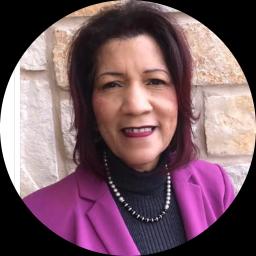
About Dianne
Dianne Dabney is a Licensed Professional Counselor (LPC) practicing in Texas with five years of experience. She helps people who are struggling with stress, anxiety, relationship issues, anger, depression, addiction, grief, parenting concerns, and emotional challenges such as attachment and intimacy-related issues. Sessions focus on practical ways to handle day-to-day difficulties and stronger emotional awareness.
She draws on Emotionally-Focused Therapy alongside client-centered and cognitive behavioral approaches to help clients name and work with hard-to-identify feelings. In practice she uses clear, action-oriented techniques to examine thoughts and behaviors and to build more helpful responses. Dianne also uses elements from dialectical behavior work and the Gottman Method when relevant.
Her background includes work across the lifespan, including adults and older adults, and she brings five years of clinical experience to each session. She emphasizes teaching concrete skills that clients can use between meetings. Much of her work addresses family and relationship patterns, coping with life changes, and recovery from trauma and abuse.
Dianne explains therapy in straightforward terms and focuses on what someone can try right away. She notes that coping strategies, communication skills, and managing intense emotions are common goals with clients. People who want direct, practical guidance about feelings and relationship patterns may find her approach useful.
To begin, prospective clients follow the site's matching steps and schedule an initial appointment. The first session covers concerns, goals, and a plan for follow-up work.
How her approaches translate to online sessions
Emotionally-Focused Therapy (EFT) is about noticing and naming emotions that drive patterns in close relationships. It helps people and individuals become clearer about what they feel and why certain interactions repeat. Client-Centered Therapy focuses on listening and responding to the person's experience so they can guide the pace and focus of work. Cognitive Behavioral Therapy (CBT) looks at the links between thoughts, feelings, and behaviors and teaches practical skills to change unhelpful patterns.Finding the right mix of methods is part of the therapeutic process. Dianne will work with each person to decide which approach fits their goals and preferences. That plan is shaped by what the person wants to address, how they respond in early sessions, and practical needs like timing and session length.
Session formats are not specified in the biography, so confirm current online options before booking. Many people find online sessions help fit therapy into a busy life because they can reduce travel time, make it easier to schedule around work or caregiving, and allow for shorter check-ins when needed. Licensed professionals can adapt EFT, client-centered listening, and CBT exercises to an online setting so clients can practice skills between meetings and bring real-life examples to each session.
Areas of expertise
Primary focus
Also works with
Additional focus areas
Therapeutic approaches
Experience
5+ years
Listed in
Texas
Languages
English
Frequently asked questions
What kinds of problems does she work with?
Dianne works with stress, anxiety, depression, relationship and intimacy concerns, anger, addiction, grief, trauma and related issues such as attachment and parenting strains.
What is her therapeutic style like?
She uses Emotionally-Focused Therapy along with client-centered and cognitive behavioral approaches to help people identify feelings and change unhelpful thoughts and actions.
How much clinical experience does she have?
She has five years of experience as a Licensed Professional Counselor working with adults and older adults on a range of emotional and relationship concerns.
Where is she licensed and practicing?
She holds an LPC credential in Texas and practices within that state.
Which languages are supported for sessions?
Sessions are offered in English.
Can international clients schedule sessions?
She does not accept international clients at this time.
How are sessions paid for and what do they cost?
Costs vary by location and sessions use a subscription model that can be canceled at any time.
How do I get started with her?
Select the See online therapy options button, complete the short matching questionnaire, and schedule a first session through the site.
Profile details come from information the therapist supplied to BetterHelp. Credential and registration rules differ between the United States, the United Kingdom and Australia.