- Emotionally-Focused Therapy
- CBT and ACT approaches
- Addiction and trauma focus
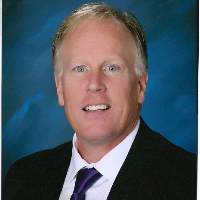
About Michael
Michael Rhine is a Washington state LMHC with 27 years of counseling experience. He works with people who are struggling with stress, anxiety, addiction, trauma and related concerns. He also helps those facing parenting strain, relationship conflict, depression, and work or career stress.
Michael uses Emotionally-Focused Therapy (EFT) alongside cognitive-behavioral and acceptance-based approaches. Sessions tend to focus on naming hard emotions, tracing patterns that keep problems active, and building new ways of reacting. He also draws on client-centered and dialectical behavior ideas to keep sessions practical and grounded.
Many clients come for help after difficult life events, struggles with substance use, or long-standing family and attachment problems. Michael has experience working with adverse childhood experiences and first responder stress. He pays attention to how past relationships shape current behavior and coping.
In sessions he works collaboratively to set goals and try clear, doable steps between meetings. Therapy may include learning new coping skills, trying different responses in relationships, and reflecting on values and life purpose. The focus is on observable changes rather than labels.
Michael practices in Washington and offers services in English. Before scheduling, readers should confirm the current session formats and subscription details on the booking page. To begin, prospective clients complete a short matching questionnaire and schedule a first session.
How his approaches translate to online sessions
Emotionally-Focused Therapy (EFT) helps people name difficult emotions and look at the interaction patterns that keep problems going. It is often used for emotional and attachment issues where feelings are hard to identify. Acceptance and Commitment Therapy (ACT) focuses on values and flexible action - it helps with anxiety, depression, and stress by building willingness to face unwanted thoughts while moving toward meaningful goals. Cognitive Behavioral Therapy (CBT) breaks problems into thoughts, feelings, and actions and uses practical experiments to change unhelpful habits.Choosing the right approach is part of the work. Michael will collaborate with each person to decide which methods fit their needs, goals, and preferences. That plan can change as therapy continues so the process stays practical and client-focused.
Confirm the session formats before booking to know how meetings are scheduled. Online sessions can make it easier to fit therapy into a busy week, reduce travel time, and allow shorter check-in meetings when needed. Some people prefer audio-only conversations when bandwidth or attention is limited, while others use video for face-to-face interaction; check current options and pick what fits daily life best.
Areas of expertise
Primary focus
Also works with
Additional focus areas
Therapeutic approaches
Experience
27+ years
Listed in
Washington
Languages
English
Frequently asked questions
What kinds of concerns does he address?
He works with stress, anxiety, addiction, trauma, parenting strain, relationship and family issues, depression, career stress, ADHD and related concerns.
What is his therapeutic style?
He combines Emotionally-Focused Therapy with cognitive-behavioral and acceptance-based work in a client-centered way. Sessions focus on emotions, patterns, and practical skills.
How much experience does he have?
He has 27 years of counseling experience working with a broad range of concerns including ACEs and addictions.
What are his credentials and location?
He is an LMHC licensed in Washington and practices in Washington state.
Which languages are supported?
Sessions are offered in English.
Can I work with him from another country?
International clients are not accepted at this time.
How does pricing work?
Cost varies with location and sessions use a subscription that can be canceled at any time; check the booking details for exact pricing.
How do I get started?
Select the See online therapy options button, complete a short matching questionnaire, and schedule a first session.
Profile details come from information the therapist supplied to BetterHelp. Credential and registration rules differ between the United States, the United Kingdom and Australia.