- Emotionally-Focused Therapy
- Attachment-based work
- Mindfulness techniques
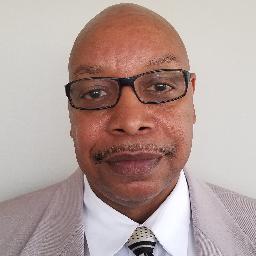
About Michael
Michael Williams is a Licensed Professional Counselor (LPC) practicing in Missouri with 35 years of experience. He works with people facing stress, anxiety, addiction, trauma and abuse, depression, grief, parenting concerns, anger, self-esteem struggles, career decisions, and coping with life changes.
He combines talk-based methods with attention to emotional experience and attachment patterns. He uses Emotionally-Focused Therapy (EFT) along with attachment-based and client-centered approaches to help people name difficult feelings and notice how those feelings affect relationships and behavior. He also draws on cognitive behavioral and mindfulness techniques when they fit the work.
Michael trained in psychology, earning a BA from Morehouse College and a MA from Washington University in St. Louis. He also completed massage therapy coursework, which informs his interest in mind-body connections. His credential is LPC and he holds that credential in Missouri.
Sessions tend to focus on practical steps and emotional awareness. Conversations often include noticing patterns, practicing new ways of responding, and using simple mindfulness exercises to manage distress. He also supports people dealing with addiction, codependency, and obsessive-compulsive concerns.
He has worked across different life stages and cultural backgrounds and lists multicultural concerns among his focus areas. Sessions are conducted in English and he does not work with international clients. To begin, readers should follow the site matching process and schedule a first session.
How his approaches translate to online work
Emotionally-Focused Therapy (EFT) focuses on helping people notice, name, and work with emotions that shape how they relate to others. It is often used when patterns of avoidance, anger, or disconnection are causing ongoing distress. Attachment-Based Therapy looks at how early and current attachment patterns affect present relationships and reactions, and it helps people recognize those patterns and try new ways of relating. Client-Centered Therapy emphasizes the person's perspective and priorities, giving room to speak and to set goals at a comfortable pace.Choosing the right approach is collaborative. The therapist will talk with the client about needs, goals, and preferences and adapt techniques as the work unfolds. Many people try one approach and add tools from another as progress is made.
Confirm specific session formats before booking, as formats are not listed in the biography. Online work can make it easier to fit sessions into a busy week, reduce travel time, and allow shorter check-ins when schedules demand. It can also let a person use audio-only if video would take more bandwidth, or schedule sessions around work breaks. Ask about the available session types when you complete the matching questionnaire so you know what options will be offered.
Areas of expertise
Primary focus
Also works with
Additional focus areas
Therapeutic approaches
Experience
35+ years
Listed in
Missouri, Colorado
Languages
English
Frequently asked questions
What kinds of concerns does he address?
He helps people with stress, anxiety, addictions, trauma and abuse, depression, grief, parenting issues, anger, self-esteem, career changes, and related concerns.
What is his therapeutic style?
He lists Emotionally-Focused Therapy (EFT), attachment-based, and client-centered approaches, often combined with CBT and mindfulness practices.
How much clinical experience does he have?
He brings 35 years of clinical experience working with a wide range of concerns and life stages.
What are his credentials and where does he practice?
He is an LPC and practices in Missouri; his credential is listed as LPC in that state.
What languages are supported?
Sessions are offered in English.
Does he work with international clients?
He does not accept international clients.
How are sessions paid for?
Cost varies by location; sessions use a subscription that can be canceled at any time.
How do I begin working together?
Select the See online therapy options button, complete a short matching questionnaire, and schedule a first session.
Profile details come from information the therapist supplied to BetterHelp. Credential and registration rules differ between the United States, the United Kingdom and Australia.