- Emotionally-Focused Therapy
- Cognitive Behavioral Therapy
- Motivational Interviewing
About Naharia
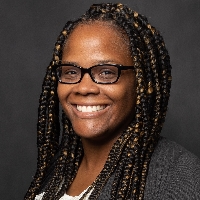
Dr. Naharia Heard is a Licensed Professional Counselor (LPC) in Virginia with 10 years of clinical experience. She helps people who are managing stress, anxiety, depression, relationship strain, grief, addiction concerns, and effects of trauma and abuse.
She is a mother and an Army veteran, and brings that life experience into her work with clients. Her practice supports people coping with parenting stress, intimacy problems, anger, low self-esteem, career questions, and compassion fatigue. She also works with people in the LGBT community and those facing substance use challenges.
Dr. Heard uses several therapeutic approaches in sessions. She lists Emotionally-Focused Therapy (EFT) for work around attachment and relationship patterns. She also works with client-centered methods, cognitive behavioral techniques, dialectical behavior ideas, motivational interviewing, and narrative-informed strategies.
In a typical session she talks through current problems, identifies patterns that keep problems repeating, and practices skills for handling strong emotions or urges. She also incorporates coaching elements when clients want clear, action-oriented steps for work or life transitions.
Her background includes a Doctorate in Mental Health Counseling and certification as a substance abuse counselor. Dr. Heard’s training and military experience shape a practical approach to coping skills, relapse prevention, and managing stress from work and relationships.
How her approaches translate to online sessions
Emotionally-Focused Therapy (EFT) focuses on recognizing and naming hard-to-reach emotions and understanding attachment patterns in relationships. It can help people notice how emotions shape their reactions and learn different ways to respond.Client-Centered Therapy emphasizes listening and reflecting back what the person is saying, so people feel heard and can explore their own solutions. Cognitive Behavioral Therapy (CBT) looks at thought patterns and practical skills to change unhelpful behaviors and reduce worry or low mood.
Finding the right approach is a collaborative process. The therapist will work with each person to decide whether EFT, CBT, or client-centered work fits their goals. That choice is based on the person’s needs, preferences, and what comes up in early sessions.
Session formats are not listed in the biography, so confirm current session options before booking. Online work can make it easier to fit sessions around work, caregiving, or school by removing travel time and allowing sessions during different parts of the day. Shorter check-ins or sessions without video may suit times with limited bandwidth or when a brief coaching-focused conversation is needed. Licensed professionals can adapt the approaches above to the online setting to focus on emotion recognition, skill practice, and problem-solving.
Areas of expertise
Primary focus
Also works with
Therapeutic approaches
Experience
10+ years
Listed in
Virginia
Languages
English
Frequently asked questions
What concerns does she work with?
She works with stress, anxiety, depression, relationship and family issues, trauma and abuse, addictions, grief, intimacy problems, parenting strain, anger, self-esteem, career questions, and compassion fatigue.
What is her therapeutic style?
Her style blends Emotionally-Focused Therapy (EFT) with client-centered listening and practical skill-building from CBT and DBT.
How much clinical experience does she have?
She has 10 years of experience working with people on mental health and relationship concerns.
What are her credentials and where does she practice?
She is a Licensed Professional Counselor (LPC) in Virginia.
Which languages are sessions offered in?
Sessions are offered in English.
Can international clients work with her?
She does not accept international clients at this time.
How does payment and cost work?
Cost varies with location; sessions use a subscription that can be canceled at any time.
How do I begin a first session?
Select the See online therapy options button, complete a short matching questionnaire, and schedule a first session.
Profile details come from information the therapist supplied to BetterHelp. Credential and registration rules differ between the United States, the United Kingdom and Australia.