
Ruth Vanden Bosch
LPCMichigan · 25 yrs exp
Licensed counselor - relationships and coping
Stress, Anxiety · LGBT · Relationship · Grief · +10 more
Read profileTherapist listings are provided by BetterHelp. We will earn a commission at no additional cost to you if you use our links to purchase.
Browse profiles of professionals who list Emotionally-Focused Therapy (EFT) alongside LGBT as a focus. You can compare listed location, focus areas, approaches, languages and credentials to find a good match.
Michigan · 25 yrs exp
Licensed counselor - relationships and coping
Stress, Anxiety · LGBT · Relationship · Grief · +10 more
Read profile
Colorado · 19 yrs exp
LCSW - emotion and attachment focused
Stress, Anxiety · Relationship · Trauma and abuse · Grief · +12 more
Read profile
Florida · 20 yrs exp
Dr. Daniella Jackson, LMHC - Addiction and relationship concerns
Stress, Anxiety · Addictions · Relationship · Self esteem · +16 more
Read profile
Oregon · 17 yrs exp
Licensed counselor - relationships and emotions
Stress, Anxiety · Anger · Self esteem · Career · +12 more
Read profile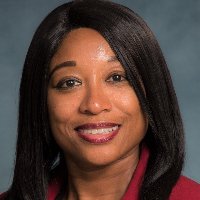
Georgia · 8 yrs exp
Dr. Vivia Hill-Silcott, LPC - Anxiety and relationship support
Stress, Anxiety · Relationship · Family · Grief · +11 more
Read profile
Louisiana · 7 yrs exp
Dr. Tanya Harrell, LPC - Relationships and Trauma
Stress, Anxiety · Family · Trauma and abuse · Parenting · +15 more
Read profile
Illinois · 20 yrs exp
Licensed counselor - emotion and behavior work
Stress, Anxiety · LGBT · Anger · Self esteem · +12 more
Read profile
North Carolina · 10 yrs exp
Licensed Clinical Social Worker - Relationships and Mood
Stress, Anxiety · Relationship · Family · Bipolar · +16 more
Read profile
Texas · 10 yrs exp
Licensed Professional Counselor - Relationships and Emotion
Stress, Anxiety · Relationship · Family · Depression · +14 more
Read profile
Wisconsin · 8 yrs exp
Licensed Professional Counselor - relationships and identity
Relationship · Intimacy-related issues · Coping with life changes · Stress, Anxiety · +8 more
Read profile
Illinois · 10 yrs exp
Licensed counselor - relationships and trauma
Stress, Anxiety · LGBT · Relationship · Trauma and abuse · +10 more
Read profile
Georgia · 15 yrs exp
Licensed Professional Counselor - Emotional and relationship concerns
Stress, Anxiety · Grief · Intimacy-related issues · Self esteem · +10 more
Read profile
Colorado · 11 yrs exp
Licensed Professional Counselor - Emotion and relationships
Stress, Anxiety · LGBT · Trauma and abuse · Anger · +15 more
Read profile
Texas · 22 yrs exp
Licensed Professional Counselor - Relationships and Emotional Health
Stress, Anxiety · Relationship · Trauma and abuse · Depression · +16 more
Read profile
Florida · 20 yrs exp
Licensed Mental Health Counselor - stress and relationships
Stress, Anxiety · Relationship · Family · Self esteem · +9 more
Read profile
Virginia · 14 yrs exp
Licensed Professional Counselor - Trauma and mood concerns
Trauma and abuse · Grief · Coping with life changes · Compassion fatigue · +12 more
Read profile
Georgia · 25 yrs exp
Licensed social worker - relationships and mood
Stress, Anxiety · Parenting · Anger · Self esteem · +15 more
Read profile
Colorado · 5 yrs exp
LCSW helping with relationships and trauma
Stress, Anxiety · Relationship · Family · Trauma and abuse · +10 more
Read profile
New York · 24 yrs exp
Dr. Emmanuel Bioh, LCSW - Relationships and Addiction
Stress, Anxiety · Addictions · Family · Parenting · +9 more
Read profile
Texas · 4 yrs exp
Licensed Professional Counselor - Stress and Relationship Concerns
Stress, Anxiety · Addictions · Relationship · Family · +3 more
Read profile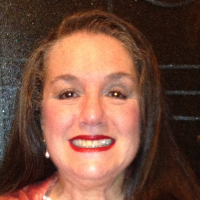
Florida · 13 yrs exp
LMHC - Stress and Relationship Concerns
Stress, Anxiety · Relationship · Intimacy-related issues · Depression · +15 more
Read profile
Arkansas · 44 yrs exp
Licensed Certified Social Worker - mood and life concerns
Stress, Anxiety · Trauma and abuse · Grief · Self esteem · +16 more
Read profile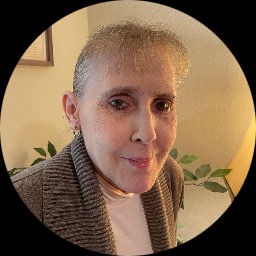
Michigan · 31 yrs exp
LMSW clinician - relationships and emotion
Stress, Anxiety · Family · Trauma and abuse · Self esteem · +16 more
Read profile
Texas · 10 yrs exp
LMFT - Relationships and Emotional Health
Stress, Anxiety · LGBT · Relationship · Grief · +12 more
Read profileEmotionally-Focused Therapy, often shortened to EFT, is an approach that looks at emotions, attachment and the patterns that repeat between people. In plain terms, it helps you and your therapist notice which feelings come up, how those feelings shape your responses, and how patterns of interaction may reinforce difficulties. EFT is used with individuals and often with couples, but describing it as an approach does not imply a guaranteed outcome. A profile that lists EFT among approaches is a signal that a therapist uses ideas from that approach, not proof of formal EFT certification.
When you read a profile, you will see how a therapist talks about emotions, relationships and goals. Some therapists describe working relationally, some emphasize emotion-focused interventions, and others combine EFT ideas with other approaches that they list in their profiles. The language used by a therapist can give you a sense of how they frame work on attachment, grief, identity or relational patterns. Use that language to decide whether their way of describing sessions fits with what you want to explore.
Profiles that include LGBT as a focus typically highlight experience or interest in working with lesbian, gay, bisexual, transgender and queer clients, along with related concerns such as identity development, minority stress and relationship dynamics. If a profile also lists EFT, it simply indicates the therapist names that approach among their clinical tools. There is no presumption that EFT causes any particular benefit for LGBT-related concerns, only that the therapist may draw on emotion- and attachment-centered ideas when addressing those topics.
When you consider profiles, pay attention to how therapists describe working with sexual orientation and gender identity. Some profiles will explicitly mention affirming language, attention to coming-out processes, family acceptance issues or intersectional identities. Others will highlight relational patterns and how emotions influence connections with partners, chosen family or caregivers. If safety is a concern because you are experiencing abuse or fear at home, contact emergency services or a domestic-abuse helpline immediately for local help.
As you review profiles, prepare concrete questions that will help you learn how a therapist might frame your work. You can ask how they describe their experience working with LGBT clients and which kinds of issues they commonly address. It is reasonable to request examples of how they use EFT ideas in sessions, phrased as a process question such as how they might help someone notice and shift a recurring emotional pattern.
Ask about the therapist's professional standing in your country or state and how their academic degree relates to their permission to practice. Degrees such as PhD, PsyD, MD, MA and MSW indicate training, but a degree alone does not establish current permission to practice. In the United States you will often see references to state licenses; in the United Kingdom and Australia practitioners may reference registration with national or regional bodies or membership in professional associations. Asking where they are registered or licensed and what that registration allows them to do is a concrete way to understand their scope of practice.
If you are considering remote sessions, there are practical topics you should cover before your first appointment. Clarify how the therapist conducts remote work, what technology platforms they use, and how they handle privacy protections for online communications. Discuss time zones and appointment times if the therapist lists a different listed location from yours, and ask how they manage emergency situations when you are not in the same locality.
It is helpful to ask about their typical early-session priorities so you know what to expect when you begin. You might ask how they assess risk and what steps they recommend if you need immediate in-person help. If you are worried about safety at home, make sure to ask directly about local resources and support lines in your area. Discuss preferred methods of contact outside sessions and whether they provide brief check-ins by message or email, but be aware that modes of communication and response times vary greatly among professionals.
When comparing profiles, look beyond a single label and read how therapists describe their focus areas in sentences. Profiles often list specialties such as gender identity, relationship concerns, trauma or family issues; the way these are described will tell you whether a therapist frames those issues around emotions, behavior, identity development or systems. Pay attention to languages spoken and whether a therapist mentions working with intersecting identities, because language and cultural awareness often matter for how comfortable you feel in sessions.
Compare credentials by distinguishing academic degrees from licensure or registration. A profile that lists a PhD, PsyD or MA shows the therapist's degree, while mention of a license or registration indicates the legal framework under which they practice. If a profile lists other therapeutic approaches, treat them as options to discuss rather than assumptions about every session. Consider style indicators in profiles - some therapists emphasize relational, exploratory or skills-based work - and think about which style aligns with what you hope to address. Finally, prepare a brief initial message or set of questions to send from the directory profile that focuses on approach, experience with LGBT concerns, languages and logistical details so you can choose a profile to reach out to confidently.
Alabama
42 therapists
Alaska
4 therapists
Arizona
43 therapists
Arkansas
17 therapists
Australia
98 therapists
California
162 therapists
Colorado
83 therapists
Connecticut
19 therapists
Delaware
6 therapists
District of Columbia
7 therapists
Florida
364 therapists
Georgia
89 therapists
Hawaii
7 therapists
Idaho
20 therapists
Illinois
105 therapists
Indiana
61 therapists
Iowa
11 therapists
Kansas
21 therapists
Kentucky
30 therapists
Louisiana
58 therapists
Maine
4 therapists
Maryland
28 therapists
Massachusetts
35 therapists
Michigan
100 therapists
Minnesota
31 therapists
Mississippi
28 therapists
Missouri
70 therapists
Montana
18 therapists
Nebraska
15 therapists
Nevada
16 therapists
New Hampshire
8 therapists
New Jersey
64 therapists
New Mexico
15 therapists
New York
115 therapists
North Carolina
115 therapists
North Dakota
2 therapists
Ohio
59 therapists
Oklahoma
39 therapists
Oregon
19 therapists
Pennsylvania
85 therapists
Rhode Island
3 therapists
South Carolina
53 therapists
South Dakota
3 therapists
Tennessee
38 therapists
Texas
281 therapists
United Kingdom
540 therapists
Utah
23 therapists
Vermont
6 therapists
Virginia
37 therapists
Washington
44 therapists
West Virginia
12 therapists
Wisconsin
45 therapists
Wyoming
14 therapists