- Addictions
- Trauma
- Mindfulness
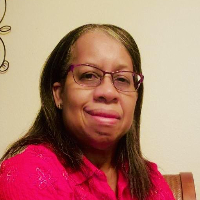
About Arlene
Arlene Bishop is a Licensed Clinical Social Worker (LCSW) in Florida with 28 years of experience. She works with people facing depression, anxiety, addiction, bipolar disorder, trauma and abuse, and a broad range of life stresses. Her practice also addresses concerns such as sleep and eating problems, anger, low self-esteem, career strain, and grief.
She uses Emotionally-Focused Therapy (EFT) alongside client-centered approaches and cognitive behavioral techniques. In sessions she listens, helps name difficult emotions, and looks for patterns that keep problems repeating. She also draws on dialectical behavior skills and mindfulness to help people manage strong feelings and practical daily challenges.
Bishop adapts her approach to the person in front of her. She combines directing and coaching with reflective conversation. That can mean practicing coping skills, trying different ways to respond in relationships, or working on specific behavior changes over a few sessions.
Her work also touches on attachment and abandonment issues, codependency, blended family stress, caregiver strain, immigration and multicultural concerns, and challenges common to veterans and armed forces families. She lists additional focuses such as postpartum depression, seasonal affective disorder, trichotillomania, hoarding, paranoia, and antisocial personality concerns.
Sessions are conducted in English and her practice is located in Florida. Arlene asks new clients to complete a short matching questionnaire before scheduling a first session and notes that session costs vary by location and use a subscription that can be canceled at any time.
Therapeutic approaches and how online sessions can fit
Arlene uses Emotionally-Focused Therapy to help people identify and name the emotions that drive relationship and personal patterns. EFT looks at how emotions and attachment needs shape interactions and helps people try new responses that feel safer and more effective.She also draws on Client-Centered Therapy, which centers the person's experience in the conversation and aims to increase self-understanding and personal agency. Cognitive Behavioral Therapy is used to spot unhelpful thinking and change behaviors that keep problems going, useful for anxiety, depression, and some sleep or eating issues.
Choosing the right approach is a shared task. The therapist will talk with each person about goals, preferences, and practical needs, then suggest which methods to try first. That plan can change as progress is made or new concerns come up.
Confirm the exact session options before booking since formats are not specified in the biography. Online sessions can make it easier to fit therapy into busy days, reduce travel time, and allow shorter check-ins when schedules are tight. They also let therapists use worksheets, skills practice, and emotion-focused conversation across sessions without requiring the same commute every visit.
Areas of expertise
Primary focus
Also works with
Additional focus areas
Therapeutic approaches
Experience
28+ years
Listed in
Florida
Languages
English
Frequently asked questions
What kinds of problems does she address?
She works with depression, anxiety, addiction, bipolar disorder, trauma and abuse, and related life stresses such as grief, anger, sleep and eating difficulties.
What is her therapeutic style?
Her style blends Emotionally-Focused Therapy with client-centered conversation, CBT techniques, DBT skills, and mindfulness practices.
How many years has she practiced?
She has 28 years of experience as a social worker and clinician.
What are her credentials and where is she based?
She is a Licensed Clinical Social Worker (LCSW) licensed in Florida and practices from that state.
Which languages are sessions offered in?
Sessions are offered in English.
Can I work with her from another country?
She does not accept international clients at this time.
How are sessions paid for and what do they cost?
Session costs vary with location and are managed through a subscription that can be canceled at any time.
How do I begin the process?
Start by selecting the See online therapy options button, complete a short matching questionnaire, and then schedule a first session.
Profile details come from information the therapist supplied to BetterHelp. Credential and registration rules differ between the United States, the United Kingdom and Australia.