
Marsha Oxamendi
LCSWFlorida · 14 yrs exp
LCSW in Florida - emotional and behavioral concerns
Stress, Anxiety · Grief · Anger · Self esteem · +12 more
Read profileTherapist listings are provided by BetterHelp. We will earn a commission at no additional cost to you if you use our links to purchase.
Internal Family Systems (IFS) is an approach that explores the different parts of your inner experience and the core sense of Self that can lead that system. Below you can browse therapists who list Internal Family Systems among their approaches to find a clinician whose focus, background, and languages fit your needs.
Florida · 14 yrs exp
LCSW in Florida - emotional and behavioral concerns
Stress, Anxiety · Grief · Anger · Self esteem · +12 more
Read profile
Colorado · 19 yrs exp
LCSW - emotion and attachment focused
Stress, Anxiety · Relationship · Trauma and abuse · Grief · +12 more
Read profile
Florida · 20 yrs exp
Dr. Daniella Jackson, LMHC - Addiction and relationship concerns
Stress, Anxiety · Addictions · Relationship · Self esteem · +16 more
Read profile
Louisiana · 7 yrs exp
Dr. Tanya Harrell, LPC - Relationships and Trauma
Stress, Anxiety · Family · Trauma and abuse · Parenting · +15 more
Read profile
Texas · 12 yrs exp
LMFT - relationships and mood concerns
Stress, Anxiety · Addictions · Relationship · Grief · +11 more
Read profile
Texas · 17 yrs exp
Licensed Professional Counselor - Relationship and Mood concerns
Stress, Anxiety · Family · Depression · Coping with life changes · +12 more
Read profile
Louisiana · 10 yrs exp
LPC - relationships and emotional patterns
Stress, Anxiety · Relationship · Family · Depression · +12 more
Read profile
Texas · 10 yrs exp
Licensed Professional Counselor - Relationships and Emotion
Stress, Anxiety · Relationship · Family · Depression · +14 more
Read profile
Georgia · 15 yrs exp
Licensed Professional Counselor - Emotional and relationship concerns
Stress, Anxiety · Grief · Intimacy-related issues · Self esteem · +10 more
Read profile
Missouri · 14 yrs exp
Licensed Professional Counselor - relationships and emotion
Stress, Anxiety · Self esteem · Career · Depression · +13 more
Read profile
Texas · 22 yrs exp
Licensed Professional Counselor - Relationships and Emotional Health
Stress, Anxiety · Relationship · Trauma and abuse · Depression · +16 more
Read profile
New Jersey · 8 yrs exp
LCSW - Emotional and relationship concerns
Stress, Anxiety · Relationship · Trauma and abuse · Bipolar · +14 more
Read profile
Illinois · 12 yrs exp
LCPC in Illinois - anxiety and life transitions
Trauma and abuse · Self esteem · Coping with life changes · Coaching · +8 more
Read profile
Florida · 28 yrs exp
LCSW - Mood and stress concerns
Addictions · Trauma and abuse · Parenting · Bipolar · +15 more
Read profile
Louisiana · 25 yrs exp
Licensed LPC - relationships and trauma
Addictions · Relationship · Family · Trauma and abuse · +11 more
Read profile
New York · 15 yrs exp
LCSW - Emotion and relationship work
Stress, Anxiety · Addictions · Relationship · Self esteem · +10 more
Read profile
Mississippi · 36 yrs exp
Licensed clinical social worker - Family and emotional concerns
Family · Parenting · Anger · Self esteem · +11 more
Read profile
Florida · 28 yrs exp
Licensed Clinical Social Worker - mood and relationship concerns
Stress, Anxiety · Addictions · Trauma and abuse · Self esteem · +13 more
Read profile
Tennessee · 35 yrs exp
LMFT - addictions and relationship support
Addictions · Relationship · Family · Trauma and abuse · +1 more
Read profile
Florida · 20 yrs exp
Florida LMHC - Stress and Relationships
Stress, Anxiety · Relationship · Grief · Self esteem · +1 more
Read profile
North Carolina · 20 yrs exp
Licensed counselor - stress and addiction
Stress, Anxiety · Addictions · LGBT · Relationship · +1 more
Read profile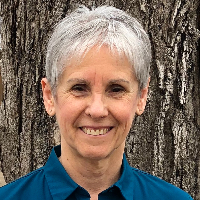
Missouri · 35 yrs exp
Licensed Professional Counselor - Relationships and Life Changes
Stress, Anxiety · Grief · Self esteem · Depression · +11 more
Read profile
Colorado · 20 yrs exp
Colorado LCSW - Trauma and Stress care
Stress, Anxiety · Trauma and abuse · Grief · Depression · +15 more
Read profile
Montana · 10 yrs exp
LCPC in Montana - relationships and stress
Stress, Anxiety · Trauma and abuse · Grief · Parenting · +9 more
Read profileInternal Family Systems is a model of psychotherapy that conceptualizes the mind as naturally composed of multiple sub-personalities or parts. These parts often carry conflicting feelings, beliefs, or roles - for example a part that keeps you safe by avoiding emotions and another that carries pain from earlier experiences. At the center of the model is the idea of Self - a calm, curious, and compassionate stance that can lead the internal system. In sessions you and a therapist will work to recognize, listen to, and build a relationship with different parts so they feel heard and less reactive. The therapist's role is to guide you into a balanced state where your sense of Self can offer leadership for internal conflicts.
IFS emphasizes non-pathologizing language - parts are not seen as symptoms to be eliminated but as parts of you that developed strategies to survive difficult experiences. This perspective can shift how you understand reactions that once felt shameful or confusing. The approach uses careful, experiential techniques to help parts disclose their roles and to unburden extreme beliefs and emotions when the timing is right. Throughout, the aim is to cultivate your capacity to notice internal dynamics with curiosity and to strengthen the presence of Self so your internal system becomes more cooperative.
People explore Internal Family Systems for a wide range of concerns because it focuses on internal dynamics that underlie many emotional and relational patterns. Many turn to IFS when they are struggling with persistent anxiety, depression, or low self-esteem that does not fully respond to other interventions. It is also commonly used in complex trauma work because the parts framework can offer a way to approach painful memories gradually while maintaining a sense of inner leadership.
Beyond mood and trauma-related concerns, IFS is applied to relationship difficulties, patterns of anger or avoidance, chronic shame, addictive behaviors, and even everyday decision-making conflicts. Because it centers on self-reflection and relational repair at the internal level, people often find that changes in their inner system ripple outward into improved communication, greater emotional flexibility, and a different relationship to stress. If you notice recurring patterns that seem driven by opposing impulses - for example wanting connection yet fearing vulnerability - an IFS-oriented approach may help you make sense of those dynamics.
A typical session begins with an orientation toward noticing - you and the therapist spend time bringing attention inward to observe what is happening in the moment. The therapist will encourage you to speak from the perspective of your Self when possible - that calm, curious center - and to notice which part is most present. Sessions are often paced slowly to allow parts to express themselves without being overwhelmed. You might be guided to describe sensations, images, or memories that arise when a particular part speaks, and the therapist will help you maintain a compassionate stance toward that part.
As parts become increasingly known, the work may move toward helping a protective part feel reassured so a vulnerable part can share its history. Sometimes this leads to a process called unburdening, where a part lets go of extreme beliefs or pains it has carried. The therapist supports the process by helping you anchor in Self and by checking in about emotional tolerances. Sessions can be verbal and reflective, or they may involve imagery and experiential techniques. The pace is collaborative - you and the therapist balance exploration with ensuring that no part feels rushed into exposure.
Internal Family Systems differs from many traditional therapies in its conceptual focus and therapeutic stance. Rather than positioning symptoms as problems to fix, IFS treats them as expressions of parts that have protective or adaptive roles. This shifts the therapeutic aim from symptom suppression to internal negotiation and reorganization. The emphasis on Self as an internal leader is also distinctive - the goal is not only symptom relief but strengthening an enduring sense of clarity, compassion, and perspective within you.
Compared with approaches that center on behavior change, IFS spends more time on inner experience and inter-part relationships. Compared with insight-oriented therapies that interpret patterns in a more top-down way, IFS is experiential - you are guided to meet and dialogue with parts directly. The pace and language are often gentler than more confrontational models, which can make IFS particularly appealing for people who want a relational, dignity-preserving process. That said, IFS can be integrated with other methods, and many therapists combine parts work with techniques from other modalities depending on client needs.
You may be a good candidate for Internal Family Systems if you are interested in understanding the inner dynamics behind recurring patterns and if you are willing to engage in a reflective, experiential process. Because IFS involves meeting vulnerable parts, it can be especially useful for those who want to address deep-seated shame, self-criticism, or lingering effects of earlier relational injuries. If you find that your reactions often feel divided - for example a part that pushes for perfection while another undermines confidence - IFS offers a framework for bringing those parts into dialogue.
People who prefer a cooperative, curiosity-driven style of therapy often appreciate IFS. That said, the method requires a commitment to working slowly when necessary and to developing the capacity to notice internal sensations and feelings. If you are looking for rapid symptom suppression without exploring underlying patterns, IFS may feel slow at first. Practically speaking, it can be adapted for different ages and settings, and many people benefit from integrating parts work into broader therapeutic plans. Discussing goals and preferences with a prospective therapist can help you determine whether this approach aligns with your aims.
When searching, look for therapists whose stated focus areas and methods resonate with your needs. Some clinicians emphasize trauma work, others highlight relationship therapy or anxiety management. Read provider profiles to learn about the kinds of issues they mention and the therapeutic language they use. Because the directory notes approaches that therapists list, pay attention to whether Internal Family Systems is presented as a primary orientation or one of several tools they use.
Consider the therapist's professional credentials and the populations they describe serving. If you have a preference for certain identities or life experiences - for example clinicians who specialize in working with young adults, couples, or specific cultural communities - that information can guide your selection. Experience with parts-based work and the way a therapist explains IFS in their profile can help you assess whether their style is a fit. Ultimately, the rapport you feel in an initial contact matters a great deal - you want to sense that the clinician's descriptions align with how you prefer to be seen and supported.
Also note practical details that matter to you - language offerings, session format, and logistical factors that make ongoing work feasible. Many therapists list the populations they serve and the languages they use, which can help you find a clinician who can communicate in the way you prefer. If in-person sessions are important to you, look for therapists who mention their office setting and whether they provide a comfortable environment. If you prefer remote work, seek profiles that describe online practice. Making an initial inquiry gives you the chance to ask about the therapist's typical approach to parts work, their way of pacing sessions, and how they tailor the model to each person.
Finding the right therapist who lists Internal Family Systems among their approaches is a process of matching your needs, preferences, and personal comfort with the clinician's focus and style. Taking time to review profiles, reflecting on what matters most in therapy, and trusting your sense of fit will help you select someone who can support your exploration of the inner system in a way that feels respectful and effective for you.
Alabama
42 therapists
Alaska
4 therapists
Arizona
43 therapists
Arkansas
17 therapists
Australia
98 therapists
California
162 therapists
Colorado
83 therapists
Connecticut
19 therapists
Delaware
6 therapists
District of Columbia
7 therapists
Florida
364 therapists
Georgia
89 therapists
Hawaii
7 therapists
Idaho
20 therapists
Illinois
105 therapists
Indiana
61 therapists
Iowa
11 therapists
Kansas
21 therapists
Kentucky
30 therapists
Louisiana
58 therapists
Maine
4 therapists
Maryland
28 therapists
Massachusetts
35 therapists
Michigan
100 therapists
Minnesota
31 therapists
Mississippi
28 therapists
Missouri
70 therapists
Montana
18 therapists
Nebraska
15 therapists
Nevada
16 therapists
New Hampshire
8 therapists
New Jersey
64 therapists
New Mexico
15 therapists
New York
115 therapists
North Carolina
115 therapists
North Dakota
2 therapists
Ohio
59 therapists
Oklahoma
39 therapists
Oregon
19 therapists
Pennsylvania
85 therapists
Rhode Island
3 therapists
South Carolina
53 therapists
South Dakota
3 therapists
Tennessee
38 therapists
Texas
281 therapists
United Kingdom
540 therapists
Utah
23 therapists
Vermont
6 therapists
Virginia
37 therapists
Washington
44 therapists
West Virginia
12 therapists
Wisconsin
45 therapists
Wyoming
14 therapists