- Emotionally-Focused Therapy
- Client-Centered work
- Cognitive Behavioral tools
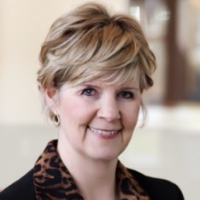
About Dinah
Dr. Dinah Meyer is an Ohio psychologist with 25 years of clinical experience. She holds a PhD in Counseling Psychology and works with adults and adolescents on common life stressors. Her areas include anxiety, depression, grief and relationship challenges.
She combines Emotionally-Focused Therapy with client-centered and cognitive behavioral tools. Sessions focus on naming emotions, noticing patterns, and trying small changes that make daily life easier. She encourages people to set the agenda and bring the problems they care about most.
Meyer has worked in community mental health, private practice, and school settings. She also teaches psychology at a university in Ohio. That mix of clinical and academic work informs her approach to practical problems like parenting concerns and career or vocational issues.
Her work includes helping people cope with trauma, post-traumatic stress, compassion fatigue, and COVID-19 related loss and stress. She also addresses intimacy-related concerns, blended family issues, body image, and commitment problems. Clinical tools include solution-focused techniques and CBT strategies to support timely progress.
In sessions she helps clients build on existing strengths and learn new skills to manage mood disorders, bipolar challenges, postpartum depression, and midlife transitions. Her approach aims to make the work useful between sessions so clients can apply what they learn to everyday situations.
How EFT, client-centered work and CBT translate to online sessions
Emotionally-Focused Therapy helps people name and track emotional patterns and attachment-related reactions. It is useful when a person notices repeating relationship or intimacy struggles and wants clearer emotional understanding. Client-Centered Therapy focuses on the person leading the conversation while the therapist reflects and follows the client’s concerns. This approach supports people who need time and space to sort out feelings and priorities. Cognitive Behavioral Therapy targets specific thoughts and behaviors and introduces practical strategies to reduce anxiety, manage mood, and change unhelpful habits.Finding the right approach is part of the work. The therapist will talk with each person about goals and preferences and adapt methods to what seems most helpful. That collaborative process helps decide whether EFT, CBT, client-centered techniques, or a mix best fits the problem at hand.
Session formats are not specified in the provided biography, so please confirm current options before booking. Online sessions can make it easier to fit therapy into a busy life, shorten travel time, or allow shorter check-ins when schedules are tight. Therapists and licensed professionals often use online work to keep continuity between appointments and to practice new skills in everyday contexts.
Areas of expertise
Primary focus
Also works with
Additional focus areas
Therapeutic approaches
Experience
25+ years
Listed in
Ohio
Languages
English
Frequently asked questions
What kinds of concerns does she address?
She works with stress, anxiety, depression, grief, relationship difficulties, trauma and related issues listed in her specialties.
What is her therapeutic approach and style?
She uses Emotionally-Focused Therapy alongside client-centered and cognitive behavioral methods, with a solution-focused orientation to help clients make practical changes.
How much clinical experience does she have?
She has 25 years of experience in community mental health, private practice, and school settings, and also teaches psychology at a university in Ohio.
What are her credentials and where does she practice?
She is listed as OH Psychologist P.5269 and is based in Ohio.
Which languages are supported in sessions?
Sessions are offered in English.
Can people outside the United States work with her?
International clients are not currently accepted.
How does payment and cost work?
Cost varies with location; sessions use a subscription model that can be canceled at any time.
How do I begin working together?
Select the See online therapy options button, complete the short matching questionnaire, and schedule a first session.
Profile details come from information the therapist supplied to BetterHelp. Credential and registration rules differ between the United States, the United Kingdom and Australia.