- Emotionally-Focused Therapy
- Client-Centered methods
- Cognitive Behavioral Therapy
About Jessica
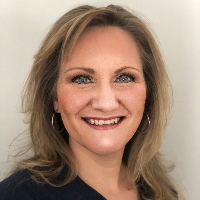
Jessica Milosky is a Licensed Professional Counselor (LPC) practicing in South Carolina with eight years of post-licensure experience. She works with people facing stress, anxiety, depression, trauma and abuse, relationship concerns, and coping with life changes. Jessica also helps with grief, addictions, eating and body image issues, and compassion fatigue.
She began graduate work in 2008 and completed her degree in 2012. Early roles included work at a university counseling center and assessment work at a psychiatric hospital. Those settings exposed her to a wide range of mental health needs and service types.
In clinical work she draws from several therapy approaches. She uses Emotionally-Focused Therapy alongside client-centered and cognitive-behavioral techniques. She also brings in existential and narrative ideas when they fit a person's situation.
Jessica describes a flexible style in sessions. She can offer direct feedback and challenge or take a gentler guiding stance, depending on what a person needs. She integrates mind-body considerations and pays attention to how life circumstances like chronic illness or caregiving affect wellbeing.
Her practice includes support for family-of-origin issues, communication problems, codependency, commitment concerns, divorce and separation, and fertility or cancer-related stress. Sessions emphasize practical steps people can try between meetings and clearer emotional understanding in the present.
How her approaches translate to online sessions
Emotionally-Focused Therapy (EFT) focuses on identifying and working with emotions that shape how people relate to themselves and others. EFT can help with strong feelings that are hard to name and with patterns that repeat in relationships. Client-Centered Therapy centers on listening and reflecting so the person leads the pace and topics of therapy, useful when someone needs space to sort thoughts and feelings. Cognitive Behavioral Therapy (CBT) looks at how thoughts, behaviors, and feelings interact and offers practical strategies for managing anxiety, depression, or stress.Choosing the right approach is part of the work together. The therapist will collaborate with each person to decide which methods match their goals, needs, and preferences. That process can involve trying different techniques and adjusting as progress is made.
Session logistics should be confirmed before booking since formats are not detailed here. Online sessions can make it easier to fit therapy into a busy day, reduce travel time, and allow shorter check-ins when schedules are tight. If certain session styles or arrangements are important, confirm current options when you schedule so sessions fit into everyday life.
Areas of expertise
Primary focus
Also works with
Additional focus areas
Therapeutic approaches
Experience
8+ years
Listed in
Pennsylvania, South Carolina
Languages
English
Frequently asked questions
What concerns does she address?
She works with stress, anxiety, depression, trauma and abuse, relationship issues, grief, addictions, eating and body image struggles, and caregiver and cancer-related stress.
What therapeutic approaches does she use?
Her practice draws on Emotionally-Focused Therapy, client-centered work, cognitive-behavioral tools, existential ideas, and narrative methods.
How long has she been practicing?
She has eight years of experience as an LPC following earlier clinical roles during and after graduate training.
What are her credentials and location?
She is an LPC licensed in South Carolina and works from a South Carolina practice base.
Can sessions be conducted in other languages?
Sessions are offered in English.
Does she work with international clients?
She does accept international clients.
How are sessions paid for and what do they cost?
Cost varies with location; sessions use a subscription that can be canceled at any time.
How do I begin working with her?
Choose the See online therapy options button, complete a short matching questionnaire, and schedule a first session.
Profile details come from information the therapist supplied to BetterHelp. Credential and registration rules differ between the United States, the United Kingdom and Australia.