- Emotionally-Focused Therapy
- Acceptance and Commitment Therapy
- Attachment-Based work
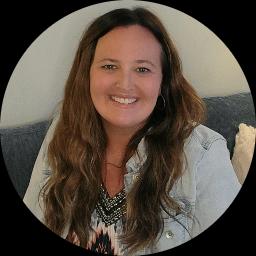
About Marika
Marika Courtney is an Ohio licensed professional clinical counselor (LPCC) with ten years of experience helping people manage stress, anxiety, trauma and abuse, parenting pressures, career concerns, and major life changes. She works with individuals who want practical ways to cope and clearer emotional understanding. Sessions focus on what is most pressing for each person.
Marika uses Emotionally-Focused Therapy (EFT) alongside approaches such as Acceptance and Commitment Therapy (ACT), Attachment-Based Therapy, Client-Centered Therapy, and Cognitive Behavioral Therapy (CBT). She aims to help clients name strong emotions, notice patterns that keep them stuck, and try different ways of responding. Conversations are direct and focused on real-life problems.
She helps people address issues like abandonment, attachment challenges, blended family stress, caregiver strain, addiction concerns, and relationship communication problems. Marika also supports those dealing with aging or cancer-related stress and life events like divorce or separation.
In sessions she often pairs emotional work with practical skills - for example shifting unhelpful thoughts or experimenting with new behaviors between meetings. The work can include tracking patterns, practicing short exercises, and setting small goals for change.
Marika practices in Ohio and conducts therapy in English. Her style is steady and pragmatic, aimed at helping people find clearer ways to cope and move forward with daily life.
Therapeutic approaches and how online sessions work
Marika commonly uses Emotionally-Focused Therapy (EFT) to help people identify and respond to strong emotions that affect their daily life. EFT focuses on how feelings link to recurring patterns and helps name the emotions that are hard to label.She also draws on Acceptance and Commitment Therapy (ACT) to help clients clarify values and take committed steps toward them, often using small behavioral experiments. Attachment-Based Therapy appears in her work to look at early relationship patterns and how they show up now.
Finding the right approach is part of the work. Marika will discuss which methods fit a client’s needs, goals, and preferences and make decisions together about what to try. That collaborative selection helps keep sessions focused on practical change.
Session formats are not specified in the biography, so confirm current online options before booking. Many people choose online sessions because they can fit therapy into busy schedules, avoid travel time, or use shorter check-ins when needed. Talk with Marika about what will best fit daily life and technology needs so sessions can be scheduled in a way that works.
Areas of expertise
Primary focus
Additional focus areas
Therapeutic approaches
Experience
10+ years
Listed in
Ohio
Languages
English
Frequently asked questions
What concerns does she address?
She works with stress, anxiety, trauma and abuse, parenting issues, career questions, and coping with life changes, plus related concerns listed in her profile.
How would you describe her therapeutic style?
She combines Emotionally-Focused Therapy with ACT, CBT, attachment-based, and client-centered approaches to help name emotions and try new responses.
How much experience does she have?
She has ten years of clinical experience as a practicing therapist.
What credential and location are on file?
She is an LPCC licensed in Ohio and practices in Ohio.
In which languages are sessions offered?
Sessions are offered in English.
Can people outside the United States work with her?
She is not accepting international clients.
How are sessions paid for and what does cost look like?
Cost varies with location, and sessions use a subscription that can be canceled at any time.
What are the steps to begin working together?
Use the See online therapy options button, complete a short matching questionnaire, and schedule a first session.
Profile details come from information the therapist supplied to BetterHelp. Credential and registration rules differ between the United States, the United Kingdom and Australia.