- Emotionally-Focused Therapy
- Attachment work
- Motivational interviewing
About Michael
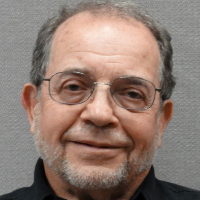
Michael Misterka is a Licensed Certified Social Worker-Clinical (LCSW-C) in Maryland with 15 years of clinical experience. He works with people facing stress, anxiety, trauma and abuse, depression, relationship and family concerns, parenting challenges, addiction, anger, grief, and problems with self-esteem and intimacy.
He focuses on practical change. Sessions are collaborative and guided by what each person wants to achieve. Michael emphasizes clear decision making and encourages open discussion about therapeutic options and goals.
His approach pulls from several therapy traditions. He uses Emotionally-Focused Therapy alongside attachment-based ideas and client-centered methods, and also draws on motivational interviewing and psychodynamic perspectives when useful. These methods are used to help name feelings, untangle relationship patterns, and address how past experiences affect present behavior.
Michael often works with issues tied to family of origin, blended family tensions, fatherhood concerns, substance use, and reintegration after incarceration. He also helps people navigate divorce and separation, communication problems, guilt and shame, isolation or loneliness, and finding life purpose.
He invites clients to set their own pace and goals. The emphasis is on practical steps and decisions the client chooses. Prospective clients should confirm current session options before booking.
How his methods translate to online work
Emotionally-Focused Therapy (EFT) focuses on identifying and naming emotions and changing unhelpful interaction patterns. It can help people understand how emotions shape responses in close relationships and personal choices.Attachment-Based Therapy looks at how early relationships influence current behavior and feelings. This approach can help with issues like attachment concerns, blended family tensions, and difficulties forming secure connections with others.
Client-Centered Therapy emphasizes the person's priorities and choices in therapy. The therapist follows the client's lead, supports decision making, and encourages discussion about which strategies feel most helpful.
Finding the right approach is part of the work. Michael will collaborate with each person to choose methods that match their needs, goals, and preferences rather than imposing one style. That discussion can continue as therapy progresses so techniques change when they stop being useful.
Session logistics should be confirmed before booking since formats were not specified in the biography. Online sessions can make it easier to fit therapy into a busy week, allow shorter check-ins when needed, and reduce travel time. Talk with the therapist about which session length and setup will best fit everyday life.
Areas of expertise
Primary focus
Also works with
Additional focus areas
Therapeutic approaches
Experience
15+ years
Listed in
Maryland
Languages
English
Frequently asked questions
What concerns does Michael commonly address?
He works with stress, anxiety, depression, trauma and abuse, addiction, anger, grief, relationship and family issues, parenting challenges, intimacy and self-esteem concerns.
How would you describe his therapeutic style?
He uses a client-centered approach that encourages open discussion and shared decision making about goals and methods.
How much clinical experience does he have?
Michael has 15 years of counseling experience working with a range of concerns including trauma, substance use, and adjustment issues.
What credentials and location are listed?
He holds the LCSW-C credential in Maryland and practices in that state.
Which languages are sessions offered in?
Sessions are offered in English.
What session formats are available?
Session formats were not specified in the biography; please confirm current session options before booking.
How much do sessions cost?
Cost varies with location and sessions use a subscription that can be canceled at any time.
How do I begin working with him?
Select the See online therapy options button, complete a short matching questionnaire, and schedule a first session.
Profile details come from information the therapist supplied to BetterHelp. Credential and registration rules differ between the United States, the United Kingdom and Australia.