- Emotionally-Focused Therapy
- Acceptance and Commitment Therapy
- CBT techniques
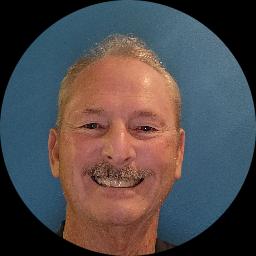
About Ronald
Ronald Wussick is a Licensed Clinical Social Worker (LCSW) in California with 40 years of professional experience. He works with people facing depression, stress, anxiety, addictions, anger, and relationship concerns. Ronald also addresses grief, intimacy problems, sleep and eating issues, and career or life transitions.
He uses clear, direct conversation to help people sort out what matters most. Sessions focus on practical steps and understanding emotional patterns. Ronald draws on Emotionally-Focused Therapy to look at how emotions and attachment shape reactions in relationships.
He also uses Acceptance and Commitment Therapy and Cognitive Behavioral Therapy to help people notice unhelpful thinking and take manageable action toward valued goals. Attachment-Based and Client-Centered approaches guide sessions that pay attention to how past relationships affect present behavior.
Over decades of practice he has worked with many different life issues, including addiction, codependency, hospice and end-of-life concerns, and bipolar disorder. He helps people work through parenting strain, compassion fatigue, and problems tied to aging and geriatric needs.
Ronald asks straightforward questions and helps set a plan for change. He encourages small, sustainable steps and practical coping skills. People who prefer a therapist who blends emotion-focused work with action-oriented techniques may find his style useful.
How his approaches translate to online sessions
Ronald works from Emotionally-Focused Therapy to look at emotions and attachment patterns that affect how people relate. EFT focuses on identifying and naming emotions and how they shape interactions and closeness. Acceptance and Commitment Therapy (ACT) helps people notice unhelpful thoughts and commit to actions that align with their values. ACT is useful for anxiety, stress, and decisions about life direction.Choosing the right approach is part of the work. He will talk with each person about goals, challenges, and preferences, and together they decide which methods to use. That collaborative process helps shape session focus and next steps.
Session logistics should be confirmed before booking since formats are not specified here. Ask about the available online options when you schedule. Online sessions can make it easier to fit therapy into a busy week, allow shorter check-ins when needed, and remove travel time so people can use a break between commitments. Licensed professionals can adapt conversation-based techniques and emotion-focused exercises to remote sessions while focusing on realistic, actionable steps.
Areas of expertise
Primary focus
Also works with
Additional focus areas
Therapeutic approaches
Experience
40+ years
Listed in
California
Languages
English
Frequently asked questions
What problems does he address?
He works with depression, stress, anxiety, addictions, relationship issues, grief, intimacy problems, sleep and eating concerns, and related life changes.
What therapeutic approach does he use?
He uses Emotionally-Focused Therapy alongside Acceptance and Commitment Therapy, Cognitive Behavioral Therapy, Attachment-Based, and Client-Centered approaches.
How long has he practiced?
He has 40 years of professional experience working with a wide range of concerns and populations.
What are his credentials and where is he located?
He is a Licensed Clinical Social Worker (LCSW) licensed in California and practices in that state.
Which languages are supported?
Sessions are offered in English.
Can clients outside the United States work with him?
He does not accept international clients at this time.
How are fees handled?
Cost varies with location and services; sessions use a subscription model that can be canceled at any time.
How do I begin a first session?
Select the See online therapy options button, complete the short matching questionnaire, and schedule your first session.
Profile details come from information the therapist supplied to BetterHelp. Credential and registration rules differ between the United States, the United Kingdom and Australia.