- Emotionally-Focused Therapy
- Client-Centered Therapy
- Solution-Focused work
About Sara
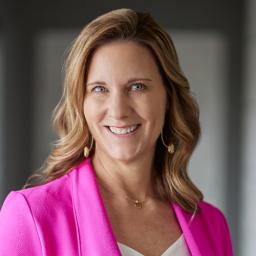
Sara McVay is a Licensed Mental Health Practitioner (LMHP) based in Nebraska with 25 years of clinical experience. She helps people facing depression, grief, addiction, stress, anxiety, self-esteem concerns, and relationship and family questions. Sessions focus on clear, direct conversation and practical next steps rather than jargon.
Her work includes support around trauma and abuse, intimacy-related issues, eating and sleeping problems, parenting strain, career transitions, and coping with life changes. She also addresses concerns such as abandonment, attachment issues, codependency, communication and control problems, and caregiver stress.
Sara lists Emotionally-Focused Therapy (EFT) among the approaches she uses. She also uses client-centered and solution-focused work. In sessions she pays attention to feelings that are hard to name and to patterns that keep repeating in relationships and everyday life.
In practice she leans toward short, manageable goals and clear strategies people can apply between sessions. That may mean mapping a difficult conversation, practicing a new way to ask for support, or testing small changes and checking what happens next.
People who choose her often want straightforward help with strong emotions and recurring problems. She aims to be practical and respectful while helping clients find ways to cope, communicate, and make decisions that fit their lives.
How her approaches translate to online work
Emotionally-Focused Therapy (EFT) focuses on identifying and naming emotions and the interaction patterns they create. It is often used when someone wants to understand why certain feelings keep coming up and how those feelings affect close relationships.Client-Centered Therapy emphasizes listening and responding to what the person brings each session. It helps when someone needs to feel heard and to explore personal values and decisions at their own pace.
Solution-Focused Therapy concentrates on small, practical changes and next steps. It is useful for people who want concrete strategies and short-term progress on specific problems.
Choosing the right approach is part of the work. The therapist will collaborate with each client to decide which methods fit best based on goals, needs, and preferences. That choice can change over time as progress and priorities shift.
Session logistics are not specified in the biography, so confirm current session options before booking. Online work can make it easier to fit therapy into a busy life, save travel time, allow shorter check-ins when needed, and let people access care from their own communities. Licensed professionals can adapt these approaches to an online setting to help with emotional patterns, communication, and practical problem solving.
Areas of expertise
Primary focus
Also works with
Additional focus areas
Therapeutic approaches
Experience
25+ years
Listed in
Nebraska
Languages
English
Frequently asked questions
What concerns does she work with?
Sara works with depression, anxiety, grief, addictions, relationship and family concerns, self-esteem issues, trauma and abuse, and related problems such as sleep, eating, and parenting strain.
How would you describe her therapeutic style?
She uses Emotionally-Focused Therapy alongside client-centered and solution-focused approaches to address feelings, relationship patterns, and practical steps forward.
How long has she practiced?
She has 25 years of clinical experience as a mental health professional in Nebraska.
What are her credentials and location?
She is a Licensed Mental Health Practitioner (LMHP) practicing in Nebraska.
Which languages are supported?
Sessions are offered in English.
Does she accept clients from other countries?
International clients are not currently accepted.
How does pricing work?
Cost varies with location and sessions use a subscription that can be canceled at any time.
How do I begin working with her?
Choose the See online therapy options button, complete a short matching questionnaire, and schedule an initial session.
Profile details come from information the therapist supplied to BetterHelp. Credential and registration rules differ between the United States, the United Kingdom and Australia.