- Emotionally-Focused Therapy
- CBT and DBT tools
- Parenting and stress
About Claire
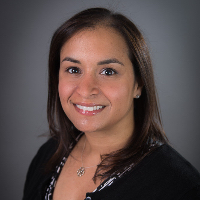
Claire McDonough is a Licensed Clinical Social Worker (LCSW) in New Jersey with 21 years of experience. She works with people facing stress, anxiety, depression, addictions, parenting challenges, relationship and family concerns, ADHD, bipolar disorder, trauma and grief.
Claire trained at the master's level in social work and has worked across a range of mental health settings over two decades. She uses several therapy approaches, including Emotionally-Focused Therapy (EFT), Cognitive Behavioral Therapy (CBT), Dialectical Behavior Therapy (DBT), mindfulness, and motivational interviewing.
Sessions focus on practical conversation and steady support. She listens and asks direct questions so people can notice patterns that hold them back. She balances acceptance with gentle challenge to help clients move toward clearer goals.
Claire pays attention to how attachment and emotion affect relationships and individual wellbeing. She works through relationship patterns, communication problems, intimacy-related concerns, and family of origin issues alongside mood and stress-related problems. She also addresses caregiver stress, first responder issues, and concerns related to gender and sexual identity.
People who meet with Claire can expect straightforward talk about coping skills, emotion regulation strategies, and steps to manage everyday demands. She draws on CBT and DBT tools when helpful and integrates EFT ideas about emotion and connection. To begin, she asks about current struggles and what a better week would look like, then creates clear steps to try between sessions.
How Claire uses EFT, CBT and DBT in online work
Emotionally-Focused Therapy (EFT) centers on naming and tracking emotions and the patterns they create in relationships and daily life. It helps when feelings are hard to name or when interactions keep repeating in painful ways. Cognitive Behavioral Therapy (CBT) focuses on noticing thought patterns and testing them with practical experiments to reduce anxiety and depressive symptoms. Dialectical Behavior Therapy (DBT) offers concrete skills for managing strong emotions, improving distress tolerance, and strengthening interpersonal effectiveness.Finding the right approach is part of the work. Claire will discuss these options with clients and choose methods based on their goals, concerns, and preferences. She aims to be collaborative and will suggest tools to try between sessions so clients can see what helps in real life.
The biography did not specify which session formats are offered, so confirm current session options before booking. In general, online sessions can make it easier to fit therapy into a busy schedule, allow shorter check-ins when needed, and remove travel time. They can also let someone choose audio-only or video depending on bandwidth or comfort. Ask about format choices when you complete the matching questionnaire.
Areas of expertise
Primary focus
Also works with
Additional focus areas
Therapeutic approaches
Experience
21+ years
Listed in
New Jersey
Languages
English
Frequently asked questions
What kinds of issues does she address?
She works with stress, anxiety, depression, addictions, parenting and relationship concerns, ADHD, bipolar disorder, trauma and grief among other areas.
What is her main therapeutic style?
Claire lists Emotionally-Focused Therapy (EFT) alongside CBT, DBT, mindfulness and motivational interviewing as approaches she uses in sessions.
How long has she practiced?
She has 21 years of experience working in a variety of mental health settings.
What are her credentials and location?
She is a Licensed Clinical Social Worker (LCSW) licensed in New Jersey.
Which languages are sessions offered in?
Sessions are offered in English.
Can international clients schedule with her?
She is not accepting international clients at this time.
How are costs handled?
Cost varies with location and sessions use a subscription that can be canceled at any time.
How do I begin working together?
Select the See online therapy options button, complete the short matching questionnaire, and schedule a first session.
Profile details come from information the therapist supplied to BetterHelp. Credential and registration rules differ between the United States, the United Kingdom and Australia.