- Emotionally-Focused Therapy
- Client-Centered work
- Cognitive behavioral tools
About Dana
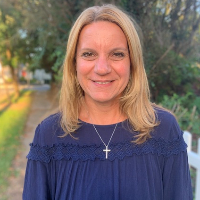
Dana Spitz is an LCSW licensed in New Jersey with 22 years of clinical experience. She works with people facing stress, anxiety, depression, grief, trauma and abuse, and a range of relationship and parenting concerns.
Dana uses a client-centered way of working. She helps people name what is getting in the way, set clear goals, and learn practical skills to manage symptoms. Her background includes approaches such as Emotionally-Focused Therapy, cognitive behavioral methods, solution-focused work, and trauma-focused techniques.
Sessions focus on identifying patterns that cause pain and on building concrete next steps. Dana pays attention to attachment and abandonment concerns, adoption and foster care issues, and family of origin problems when they come up. She also supports people dealing with caregiver stress, codependency, commitment and communication problems, and feelings of emptiness or isolation.
Her work includes addressing anger, self-esteem, career stress, compassion fatigue, and transitions tied to life changes. Dana emphasizes collaborative goal-setting and practical plans to overcome barriers. She partners with clients to develop tools that fit everyday life.
Sessions are conducted in English from New Jersey. Costs vary with location and use a subscription that can be canceled at any time. To begin, a prospective client follows the site’s matching questionnaire and schedules a first session.
How Dana integrates EFT and online care
Emotionally-Focused Therapy helps identify underlying emotions and attachment patterns that shape how people respond in relationships and stressful moments. In short sessions with EFT, the focus is on naming feelings, mapping patterns, and trying new ways of responding to create different interactions.Client-Centered Therapy emphasizes the person’s own priorities and pace. The therapist listens closely and works alongside the client to set goals and notice what changes matter most. Cognitive Behavioral Therapy looks at how thoughts and behaviors keep problems going and introduces specific skills to reduce anxiety, manage moods, and change unhelpful routines.
Choosing the right approach is part of the work. Dana will collaborate with each person to decide whether EFT, CBT, client-centered work, or a mix fits best based on needs and goals. That decision can change as therapy moves forward.
Session formats are not listed in the biographical details, so confirm current options before booking. Online work makes it easier to fit sessions into a busy life - for example, shorter check-ins during a break, not needing to travel, or using audio-only when bandwidth is limited. Licensed professionals can adapt exercises, homework, and emotion-focused interventions to an online setting so progress continues between appointments.
Areas of expertise
Primary focus
Also works with
Additional focus areas
Therapeutic approaches
Experience
22+ years
Listed in
New Jersey
Languages
English
Frequently asked questions
What concerns does she address?
She works with stress, anxiety, depression, grief, trauma and abuse, and relationship and parenting concerns among others.
What is her therapeutic style?
Her style is client-centered, emphasizing collaboration to identify causes and set goals using practical skills.
How much clinical experience does she have?
She has 22 years of experience as a practicing clinician.
What are her credentials and location?
She is an LCSW licensed in New Jersey and practices from that state.
Which languages are supported?
Sessions are offered in English.
Does she accept international clients?
She does not accept international clients at this time.
How is pricing handled?
Cost varies with location and sessions use a subscription that can be canceled at any time.
How do I begin a first session?
Select the See online therapy options button, complete a short matching questionnaire, and schedule a first session.
Profile details come from information the therapist supplied to BetterHelp. Credential and registration rules differ between the United States, the United Kingdom and Australia.