- Emotionally-Focused Therapy
- ACT and CBT methods
- Coaching and practical steps
About Eugene
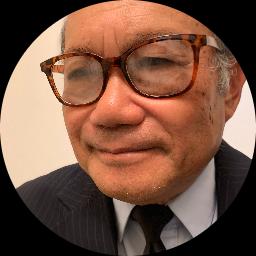
Eugene Yamamoto is a licensed clinical social worker (LCSW) in California with 30 years of clinical experience. He focuses on stress, anxiety, self-esteem, depression, and coping with life changes. He also offers coaching to help clients move from feeling stuck to taking practical steps forward.
Eugene works from the view that people know important parts of their own story. He asks questions that help uncover those strengths. Sessions are conversational and goal-focused, with attention to feelings and the patterns that keep problems in place.
He uses Emotionally-Focused Therapy along with approaches such as Acceptance and Commitment Therapy and Cognitive Behavioral Therapy. That mix lets him address both strong emotions and the thoughts or behaviors that follow them. He pays special attention to attachment and relationship patterns when they matter to the concern at hand.
Clients who come for coaching or counseling can expect work on small, practical steps as well as emotion-focused moments. Eugene helps people notice patterns like avoidance, control issues, or communication problems and then try different responses. He also supports those dealing with issues related to abandonment, adoption and foster care, caregiver stress, chronic illness, body image, and blended family dynamics.
Sessions are offered in English and he accepts international clients. People who want to begin are asked to complete a short matching questionnaire and book an initial appointment to get started.
How his approaches translate to online work
Emotionally-Focused Therapy helps people notice and name strong feelings and the interaction patterns they create. It is useful when relationship patterns or attachment needs are central to what someone wants to change. Acceptance and Commitment Therapy (ACT) focuses on clarifying values and taking committed steps even when difficult thoughts or feelings are present, which can help with anxiety and motivation.Finding the right approach is part of the work together. The therapist will discuss what seems most useful for a person's goals and preferences and then try methods that fit. That collaborative process means approaches can shift as needs change.
The original biography does not list which online session formats are used, so confirm current options before booking. Online sessions can make it easier to fit counseling into busy days, allow shorter check-ins when time is limited, and remove travel time. Many clients find that meeting remotely helps keep therapy consistent with daily life while still focusing on emotion and behavior changes.
Areas of expertise
Primary focus
Additional focus areas
Therapeutic approaches
Experience
30+ years
Listed in
California
Languages
English
Frequently asked questions
What concerns does he work with?
He works with stress, anxiety, self-esteem, depression, coping with life changes, and coaching. Additional focus areas include attachment issues, abandonment, caregiver stress, and communication problems.
What is his therapeutic style?
He uses a conversational, goal-focused style that blends Emotionally-Focused Therapy with ACT and CBT. Sessions balance emotional exploration with practical skill building.
How much experience does he have?
He has 30 years of professional experience as a clinician working with a wide range of concerns.
What are his credentials and where is he based?
He is a California licensed clinical social worker, listed as LCSW, and practices in California.
Can I work with him if I live outside the United States?
He accepts international clients and conducts sessions in English.
What session formats are offered?
The original profile does not specify session formats. Please confirm current session options before booking.
How is cost handled?
Cost varies with location and sessions use a subscription that can be canceled at any time.
How do I get started?
Select the See online therapy options button, complete a short matching questionnaire, and schedule a first session.
Profile details come from information the therapist supplied to BetterHelp. Credential and registration rules differ between the United States, the United Kingdom and Australia.