- Emotionally-Focused Therapy
- Cognitive Behavioral Therapy
- Trauma processing
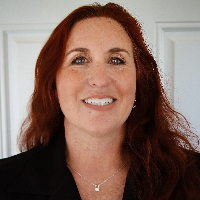
About Ida
Ida Whitaker is a Licensed Marriage and Family Therapist (LMFT) practicing in Montana with eight years of experience. She works with people facing depression, substance use concerns, relationship difficulties, parenting stress, trauma, anxiety, and related challenges. Sessions address a wide range of life changes and emotional struggles clients bring to therapy.
Whitaker draws on approaches such as Emotionally-Focused Therapy (EFT), Cognitive Behavioral Therapy (CBT), and EMDR to guide sessions. She also uses Motivational Interviewing and Solution-Focused techniques when they fit the issue at hand. In practice she combines tools that help name emotions, shift unhelpful thinking, and process distressing memories.
Her background includes an MA in Psychology with an emphasis on Marriage and Family Therapy from Azusa Pacific University. She holds LMFT credentials in both California and Montana and has experience running individual and group work in outpatient settings. Training highlights listed by her include trauma-focused CBT, substance abuse coursework, and EFT-related study.
In a typical session she listens for patterns in feelings and behavior, then offers concrete steps to try between meetings. She helps people identify what matters to them, notice interaction patterns, and practice different responses. Sessions aim to be practical and focused on skills that apply to everyday situations.
To begin, clients complete a short matching questionnaire and schedule a first session. Cost varies by location and sessions use a subscription that can be canceled at any time. Sessions are conducted in English.
How Ida uses EFT, CBT and EMDR in online sessions
Emotionally-Focused Therapy helps name and work with emotions that drive interaction patterns and personal distress. It is often used when people want to understand attachment-style reactions and recurring emotional cycles. Cognitive Behavioral Therapy focuses on spotting unhelpful thoughts and trying practical experiments to change mood and behavior. It can help with anxiety, depression, and day-to-day stress. Eye Movement Desensitization and Reprocessing is a way to process and reduce the intensity of painful memories that keep coming up, and it is commonly used for trauma-related symptoms.Choosing the right approach is a collaborative process. The therapist will talk with the client about their goals, preferences, and what feels most helpful. Together they will decide whether to emphasize EFT, CBT, EMDR, or a mix of methods as sessions progress.
Session formats are not specified in the biography, so please confirm current session options before booking. Online work can make it easier to fit sessions into busy days, allow shorter check-ins when needed, and reduce travel time. Therapists can adapt methods for remote work so clients can practice skills between sessions and bring what they learn into everyday life.
Areas of expertise
Primary focus
Also works with
Additional focus areas
Therapeutic approaches
Experience
8+ years
Listed in
California, Montana
Languages
English
Frequently asked questions
What kinds of concerns does she address?
She works with depression, anxiety, addiction, trauma, relationship and parenting concerns, grief, and related stressors.
What is her therapeutic style?
She uses Emotionally-Focused Therapy alongside CBT and EMDR, and integrates Motivational Interviewing and Solution-Focused methods as needed.
How much clinical experience does she have?
She has eight years of clinical experience since earning her MA in Psychology with an emphasis on Marriage and Family Therapy in 2017.
What credentials and location are listed?
She is an LMFT licensed in Montana and California and practices in Montana.
Which languages are supported?
Sessions are offered in English.
Can people outside the US work with her?
She does not accept international clients at this time.
How does payment and cost work?
Cost varies with location and sessions use a subscription model that can be canceled at any time.
How do I get started with sessions?
Select the See online therapy options button, complete a short matching questionnaire, and schedule a first session.
Profile details come from information the therapist supplied to BetterHelp. Credential and registration rules differ between the United States, the United Kingdom and Australia.