- Emotionally-Focused Therapy
- CBT and ACT methods
- Biblically informed care
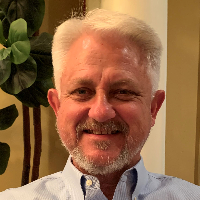
About Kevin
Kevin Phillips is a Licensed Professional Counselor (LPC) in South Carolina with 14 years of experience. He focuses on stress, anxiety, depression, trauma and abuse, addictions, relationship and family concerns, parenting struggles, and related difficulties such as anger, grief, and ADHD. He also offers counseling that aligns with a biblical worldview when requested.
Over his career he has supported people affected by crime, working alongside law enforcement and victim advocates in cases of domestic violence, robbery, sexual assault, and sex trafficking. He has extensive hours helping clients with addiction and has experience assisting teens and adults who face legal problems connected to mental health or behavior. He also works with pastors and other spiritual workers who are experiencing burnout or ministry setbacks.
Kevin uses practical, action-focused approaches in sessions. He draws on Emotionally-Focused Therapy, cognitive behavioral techniques, Acceptance and Commitment Therapy, client-centered ideas, existential perspectives, mindfulness, motivational interviewing, and solution-focused work. He emphasizes finding steps clients can take now rather than only analyzing past causes.
Common tasks in his work include improving communication, building motivation and impulse control, restoring a sense of peace, and setting concrete goals. He also helps people work through family of origin issues, blended family stress, fatherhood concerns, and caregiver strain. Techniques often include relaxation skills and goal-setting exercises.
Sessions are described as interactive and encouraging. He aims to treat people with respect and without stigmatizing labels. Prospective clients who want counseling framed by faith can request biblically based approaches during intake.
How his approaches translate to online work
Emotionally-Focused Therapy (EFT) focuses on identifying and naming strong emotions and how they shape interactions. It is often used when relationship patterns and attachment-related emotions feel hard to name. Cognitive Behavioral Therapy (CBT) helps people spot unhelpful thinking and try small behavior changes to reduce anxiety or depression. Acceptance and Commitment Therapy (ACT) teaches skills to notice thoughts without getting ruled by them and to act toward valued goals even when feelings are difficult.Choosing the right approach is part of the work. The therapist will discuss goals and try methods that fit the person's needs and preferences. That process is collaborative, with adjustments made as sessions progress so methods align with what actually helps.
The biography does not list specific online session formats, so confirm available options before booking. Online sessions can make it easier to fit therapy into a busy week, allow shorter check-ins when appropriate, and reduce travel time. They can also suit people who prefer not to be on camera or who need a simpler way to connect during a break from work. Ask about session lengths and formats when scheduling to match logistics with therapeutic goals.
Areas of expertise
Primary focus
Also works with
Additional focus areas
Therapeutic approaches
Experience
14+ years
Listed in
South Carolina
Languages
English
Frequently asked questions
What kinds of problems does he help with?
He works with stress, anxiety, depression, trauma and abuse, addictions, relationship and family concerns, parenting issues, ADHD, and related problems such as anger and grief.
What therapeutic style does he use?
He uses Emotionally-Focused Therapy alongside cognitive behavioral, acceptance and commitment, client-centered, existential, mindfulness, motivational interviewing, and solution-focused approaches.
How much clinical experience does he have?
He has 14 years of experience working in counseling roles, including many hours with people affected by addiction and crime-related trauma.
What are his credentials and location?
He is a Licensed Professional Counselor (LPC) licensed in South Carolina and practices there.
Does he work in languages other than English or with international clients?
Sessions are offered in English, and he accepts international clients.
Which session formats are offered?
The biography does not list specific session formats; please confirm current options before booking.
How are session costs handled?
Costs vary by location; sessions use a subscription that can be canceled at any time.
How do I begin working with him?
Select the See online therapy options button, complete a short matching questionnaire, and schedule a first session.
Profile details come from information the therapist supplied to BetterHelp. Credential and registration rules differ between the United States, the United Kingdom and Australia.