- Emotionally-Focused Therapy
- Acceptance and Commitment Therapy
- Trauma informed skills
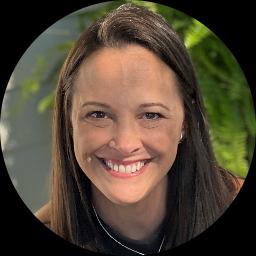
About Margaret
Margaret Thomas- Lapsley is an LMHC (Licensed Mental Health Counselor) based in Florida with 16 years of experience. She sees adults who are dealing with anxiety, depression, stress, addiction, trauma, and relationship or intimacy-related concerns. She also works with people facing grief, anger, changes in life circumstances, and compassion fatigue.
Her practice focuses on clear, practical steps people can use right away. Sessions often include learning emotional regulation and setting boundaries. She helps people notice patterns that leave them stuck and practices different ways of responding to those moments.
Margaret uses several approaches to match what each person needs. She draws on Emotionally-Focused Therapy, attachment-based ideas, Acceptance and Commitment Therapy, cognitive behavioral tools, and client-centered methods. Mindfulness and skills-based strategies appear in sessions when they fit the goals.
Her work pays attention to past trauma, including childhood, military, and sexual trauma, and to how that history shows up now. She helps people rebuild self-trust, gain clarity, and experiment with healthier coping and relating skills. Progress is approached one step at a time.
People who choose her can expect a professional who blends practical skills with relational work. Margaret combines the client's life experience with her clinical background to set goals and plan next steps. To begin, follow the site's steps to match and schedule an initial session.
How her approaches translate to online work
Margaret draws on Emotionally-Focused Therapy to help people name and work with strong emotions and the patterns those emotions create. EFT is often used when feelings and attachment patterns are central to the concern. Acceptance and Commitment Therapy (ACT) in her work focuses on noticing difficult thoughts and choosing values-based action rather than getting stuck in avoidance.She also uses attachment-based ideas to look at how early and close relationships shape responses to stress and connection. Together these approaches help with anxiety, relationship challenges, trauma responses, and struggles with meaning or direction. Deciding which approach to emphasize is a collaborative process between the therapist and the person seeking help.
Confirm the specific session formats before booking, as the biography does not list formats. Many people find online sessions help fit therapy into busy days, allow shorter check-ins when needed, and remove travel time. Online work can make it easier to keep continuity through life transitions and to practice skills between sessions. The therapist will discuss the best way to structure sessions based on the client's needs and goals.
Areas of expertise
Primary focus
Also works with
Additional focus areas
Therapeutic approaches
Experience
16+ years
Listed in
Florida
Languages
English
Frequently asked questions
What kinds of problems does she address?
She works with adults around anxiety, depression, stress, addiction, trauma and relationship or intimacy-related concerns, plus grief, anger, and life changes.
What is her therapeutic style?
She describes a trauma-informed, relational, and skills-based approach that focuses on emotional regulation and boundary setting.
How long has she practiced?
She has 16 years of clinical experience working with adults on trauma, mood concerns, and relationship patterns.
What credential does she hold and where is she based?
She is an LMHC licensed in Florida and practices with clients in that state.
Can sessions be conducted in languages other than English?
Sessions are offered in English.
Are international clients accepted?
She does not accept international clients at this time.
How are fees handled?
Cost varies by location and sessions use a subscription that can be canceled at any time.
How do I begin working with her?
Select the See online therapy options button, complete the short matching questionnaire, and schedule your first session.
Profile details come from information the therapist supplied to BetterHelp. Credential and registration rules differ between the United States, the United Kingdom and Australia.