- Addictions
- Relationship patterns
- Emotion-focused work
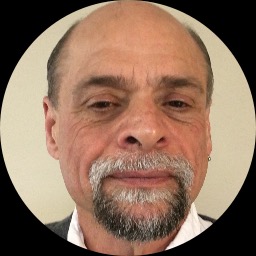
About Richard
Richard Alongi is a California Licensed Marriage and Family Therapist (LMFT) with 36 years of clinical experience. He works with people facing addiction, relationship difficulties, intimacy concerns, self-esteem struggles, anxiety, depression, grief, and life changes. He also supports those dealing with anger, career stress, compassion fatigue, ADHD, and related areas listed in his specialties.
In sessions he listens and talks through what is happening now. He uses a client-centered stance that focuses on the person in front of him. That means conversations are directed by the client’s needs and goals rather than a rigid script.
Alongi integrates Emotionally-Focused Therapy to look at feelings and how they shape closeness and distance. Attachment-Based Therapy informs his attention to early patterns that repeat in adult relationships. He also draws on Imago work and Jungian ideas when they fit a person’s concerns.
Sessions tend to focus on practical changes you can try between meetings and clearer ways to notice reactions in relationships. He pays attention to patterns such as abandonment fears, codependency, dissociation, or avoidant behavior and helps people name what is happening. Work can include coping skills for substance issues and harm reduction when addiction is present.
People are encouraged to start with a short questionnaire and then schedule a first session. Payments use a subscription model that can be canceled at any time, and sessions reflect the approaches above.
How his approaches translate to online sessions
Emotionally-Focused Therapy (EFT) focuses on identifying and naming strong emotions that affect how people relate. It is often used when patterns of closeness and distance feel stuck and when feelings are hard to put into words.Attachment-Based Therapy looks at early relational patterns and how those patterns show up now. It helps people recognize repeated reactions and try new ways of connecting in relationships.
Client-Centered Therapy centers the conversation on the client’s experience and goals. The therapist follows the client’s lead and helps clarify what matters most in day-to-day life.
Finding the right approach is part of the work. The therapist will collaborate with the client to choose methods that fit their needs, goals, and preferences. That means trying interventions, checking what helps, and adjusting the path as needed.
Confirm current session options before booking, since formats are not specified in the biography. Online sessions can make it easier to fit therapy into a busy life - for example they can reduce travel time, allow shorter check-ins on a break, or let someone meet without being on camera. Licensed professionals use these formats to help people continue consistent work on emotions, relationship patterns, addictions, and coping skills without adding extra travel.
Areas of expertise
Primary focus
Also works with
Additional focus areas
Therapeutic approaches
Experience
36+ years
Listed in
California
Languages
English
Frequently asked questions
What concerns does he address?
He works with addictions, relationship and intimacy issues, anxiety, depression, grief, anger, self-esteem, ADHD, and related areas listed in his specialties.
How would you describe his therapeutic style?
His style is client-centered and conversational, focusing on the client’s goals and what matters most in daily life.
How much experience does he have?
He has 36 years of professional experience providing therapy in California.
What credential does he hold and where is he located?
He is a California LMFT and practices in California.
Which languages are supported?
Sessions are offered in English.
Does he work with international clients?
He does not accept international clients at this time.
How much do sessions cost?
Cost varies with location and sessions use a subscription that can be canceled at any time.
How do I begin working with him?
Click the See online therapy options button, complete a short matching questionnaire, and schedule your first session.
Profile details come from information the therapist supplied to BetterHelp. Credential and registration rules differ between the United States, the United Kingdom and Australia.