- Anxiety and depression
- Emotion-focused work
- CBT and DBT tools
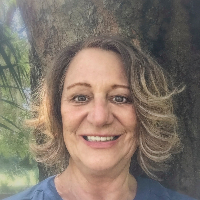
About Susan
Dr. Susan Sult is a Florida psychologist with 35 years of experience. She helps people facing anxiety, depression, trauma and abuse, relationship and intimacy issues, and struggles with addiction and mood disorders. She also supports people having trouble with sleep, eating, concentration, parenting, and self-esteem.
Her approach blends Emotionally-Focused Therapy with cognitive-behavioral and dialectical behavior tools. She uses straightforward, goal-focused methods so people can notice small changes that matter. Sessions are collaborative - she talks with clients about what to try and why it might help.
Dr. Sult has worked across many settings over decades, helping people with grief, chronic illness, dissociation, abandonment concerns, and complex relationships. She also addresses issues tied to body image, codependency, commitment problems, blended family dynamics, and sexual expression concerns such as BDSM and kink-related topics.
In sessions she teaches practical skills drawn from CBT, DBT, and mindfulness alongside emotionally focused work aimed at understanding patterns in relationships and attachment. Clients can expect clear explanations of techniques and an emphasis on real-life application between meetings.
Outside clinical work she enjoys horseback riding, quilting, cooking, and spending time with family and friends. To begin, the site guides people through a short matching questionnaire and scheduling process for a first session.
How her approaches translate to online work
Emotionally-Focused Therapy helps people name and work with strong emotions and attachment patterns so relationships and personal responses feel clearer. EFT is often helpful for people who want to understand why certain interactions or feelings repeat in their life.Cognitive-Behavioral Therapy (CBT) focuses on changing thoughts and behaviors that keep problems going. CBT offers concrete exercises and homework to reduce anxiety, improve sleep, or manage mood. Dialectical Behavior Therapy (DBT) brings skills for regulating intense emotion, tolerating distress, and improving communication, which can be useful for mood instability and relationship strain.
Finding the right approach is part of the work. The therapist will collaborate with each person to decide which methods fit their goals and situation, and she may combine elements from EFT, CBT, and DBT depending on what the client needs.
Confirm the session formats available before booking, as the biography does not list specific online options. Online sessions can make it easier to fit meetings into a busy week, allow shorter check-ins when needed, and remove travel time. Clients should check current format options and scheduling details during the initial matching and booking steps.
Areas of expertise
Primary focus
Also works with
Additional focus areas
Therapeutic approaches
Experience
35+ years
Listed in
Florida
Languages
English
Frequently asked questions
What kinds of problems does she address?
She works with stress, anxiety, trauma and abuse, anger, bipolar disorder, depression, addictions, relationship and intimacy issues, parenting concerns, ADHD, and related challenges.
What therapeutic style does she use?
She combines Emotionally-Focused Therapy with cognitive-behavioral (CBT), dialectical behavior (DBT), mindfulness, and solution-focused techniques to help people understand emotions and learn skills.
How long has she been practicing?
She has 35 years of professional experience as a psychologist in Florida.
What are her credentials and where is she based?
She is listed as FL Psychologist PY3854 and practices in Florida.
In which languages are sessions offered?
Sessions are offered in English.
Does she work with international clients?
She does not accept international clients at this time.
How are costs handled?
Cost varies by location; sessions use a subscription that can be canceled at any time.
How do I begin working with her?
Click the See online therapy options button, complete a short matching questionnaire, and schedule a first session.
Profile details come from information the therapist supplied to BetterHelp. Credential and registration rules differ between the United States, the United Kingdom and Australia.