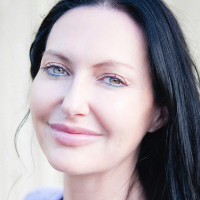
Sophia Hoskins
LMFTHawaii · 13 yrs exp
Licensed MFT - Relationships and Anxiety
Stress, Anxiety · Relationship · Family · Trauma and abuse · +10 more
Read profileTherapist listings are provided by BetterHelp. We will earn a commission at no additional cost to you if you use our links to purchase.
This page gathers profiles linked to the listed location Hawaii so you can compare clinicians who list Emotionally-Focused Therapy among their approaches. Use the profiles to learn about each professional's focus areas, credentials, languages and therapeutic style, then follow up directly to confirm whether working together makes sense for you.
Hawaii · 13 yrs exp
Licensed MFT - Relationships and Anxiety
Stress, Anxiety · Relationship · Family · Trauma and abuse · +10 more
Read profile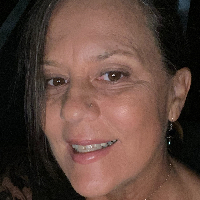
Hawaii · 6 yrs exp
Licensed Marriage and Family Therapist - relationships and emotion work
Stress, Anxiety · Relationship · Family · Trauma and abuse · +16 more
Read profile
Hawaii · 7 yrs exp
LMFT focused on emotion and relationship patterns
Stress, Anxiety · Addictions · Relationship · Trauma and abuse · +8 more
Read profile
Hawaii · 8 yrs exp
Dr. Clifford Green LCSW - Trauma and relationship work
Addictions · LGBT · Relationship · Trauma and abuse · +12 more
Read profile
Hawaii · 16 yrs exp
LMFT - relationships and anxiety
Stress, Anxiety · LGBT · Relationship · Trauma and abuse · +11 more
Read profile
Hawaii · 5 yrs exp
LMFT - relationships and trauma
Relationship · Family · Trauma and abuse · Anger · +11 more
Read profile
Hawaii · 20 yrs exp
LMFT - Relationships and Emotion Work
Stress, Anxiety · Relationship · Family · Trauma and abuse · +15 more
Read profileEmotionally-Focused Therapy, often shortened to EFT, is an approach that looks closely at emotions, attachment needs and the interaction patterns that repeat between people. In practice, clinicians use the approach to help people notice and name feelings, understand how those feelings shape their responses, and practice new ways of relating that can reduce repeating cycles of distress. EFT is used with individuals and is commonly applied in work with couples as well, though a mention of EFT on a profile does not imply a clinician focuses on all populations or offers every session format.
When you read a profile, look for clear descriptions of what the clinician emphasizes - whether they write about emotions and attachment, help with relationship patterns, or support individual emotional processing. Those descriptions give you the best sense of how they describe their approach in their own words. Keep in mind that listing EFT among clinical approaches is a statement about approach, not a guarantee of specific outcomes. If you are exploring relationship concerns, grief, anxiety, trauma-related emotional patterns or just wanting to understand your emotional responses better, EFT may be one of several useful frameworks to discuss with a clinician.
Profiles are grouped under the listed location Hawaii to help you find clinicians who identify an association with that place. That grouping does not prove an in-person office, physical proximity to you, eligibility for every resident of Hawaii, or an active permission to practice in that jurisdiction. You should check each individual profile for details and confirm with the clinician whether they are permitted to work with you where you live. This is particularly important when clinicians offer remote care across state or national lines because rules differ by place.
Professional terminology varies between countries. In the United States clinicians commonly hold licenses such as licensed clinical social worker, licensed professional counselor, psychologist license or medical doctor credentials depending on their training and role. In the United Kingdom clinicians may be registered with a statutory regulator or hold memberships in professional bodies. In Australia registration or membership terminology again differs from US license titles. Academic degrees like PhD, PsyD, MD, MA or MSW describe education and are not the same as a license, registration or authorization to practice. A degree alone does not confirm current permission to work with you, so ask about the clinician's current standing in the place where you live.
When you contact someone whose profile interests you, practical, specific questions can help you assess whether their approach fits your needs. You might ask how they describe their use of Emotionally-Focused Therapy in their own words, and whether they commonly combine it with other approaches. You can ask about the kinds of concerns they work with most often and how they typically help someone who brings your particular issue. Request examples of what a few early sessions might focus on so you can picture how the work is structured and whether it matches your expectations.
Other useful inquiries include asking what populations they work with most - for example, whether they tend to work with adults, older adults, parents or other groups - and what languages they offer sessions in. Ask how they describe their therapeutic style, for instance whether they take a more directive or reflective approach, and how they usually handle emotional crises or strong reactions in session. Because a profile lists approaches rather than guarantees, these specific questions help you understand how a clinician translates EFT into actual practice in the room or online.
If you are considering remote sessions, raise practical and safety topics before you begin. Ask whether the clinician can confirm permission to provide care where you are located, and whether any local rules affect the type of care they can offer. Clarify how they handle emergencies - who you should call if you are in immediate danger and how to reach local emergency services from your area. If domestic safety is a concern, find out whether they can help you develop a safety plan and ask for local domestic-abuse helpline resources, because telephone and web-based helplines are often available in different regions.
Also discuss the logistics that matter to you, such as how they prefer to structure sessions, how they handle missed appointments or urgent contact, and how they document consent for remote care. These are practical matters that can affect your experience and sense of safety. You should confirm all important items directly with the clinician listed on the profile so there are no surprises about what they can provide where you live.
When comparing profiles, look beyond labels to the descriptive text that explains a clinician's typical focus and approach. Profiles that explain the kinds of problems they frequently work with - such as relationship patterns, grief, anxiety or life transitions - help you judge fit more quickly than a list of approaches alone. Pay attention to the populations named on the profile and the languages offered, because communication in your preferred language can make a major difference in how you experience therapy.
Consider how clinicians present their credentials. Profiles may list degrees like PhD, PsyD, MD, MA or MSW alongside licensing or registration information. Degrees indicate academic training while licenses, registrations or memberships indicate the professional permissions and oversight that apply in a given jurisdiction. If a profile lists membership in a professional body, you may wish to ask what that membership means in terms of standards and complaint processes. Finally, try to get a sense of therapeutic style from the writing on the profile - whether the clinician emphasizes direct emotion work, exploratory questions, skills teaching or a more collaborative conversational stance. Those distinctions help you narrow choices before reaching out to learn more from the clinician directly.
Choosing who to contact is a personal decision. Use the profiles as a place to identify clinicians who write in ways that resonate with you, who mention focus areas you care about, and who note languages or experience that match your needs. Then reach out with specific questions about Emotionally-Focused Therapy and practice details, and confirm that the clinician can legitimately work with you in your location. If you are ever in immediate danger, call your local emergency services and seek local domestic-abuse helplines for help. Taking a careful, question-focused approach will help you make an informed choice about the next steps in seeking care.
Anger
2283 therapists
Control Issues
2023 therapists
Depression
2953 therapists
Domestic Violence
1374 therapists
Grief
2540 therapists
Guilt and Shame
2513 therapists
Intimacy Issues
1988 therapists
Isolation / Loneliness
2347 therapists
Midlife Crisis
1809 therapists
Mood Disorders
1950 therapists
Panic Disorder and Panic Attacks
1919 therapists
Post-Traumatic Stress
2237 therapists
Postpartum Depression
1245 therapists
Self Esteem
2871 therapists
Social Anxiety and Phobia
2288 therapists
Stress & Anxiety
3101 therapists
Trauma and Abuse
2718 therapists
Abandonment
1988 therapists
Attachment Issues
2143 therapists
Blended Family Issues
1623 therapists
Caregiver Issues and Stress
1889 therapists
Codependency
1894 therapists
Commitment Issues
1671 therapists
Communication Problems
2626 therapists
Coping with Life Changes
2710 therapists
Divorce
2136 therapists
Family
2534 therapists
Family of Origin Issues
1557 therapists
Fertility Issues
676 therapists
Forgiveness
2405 therapists
Infidelity
1592 therapists
Jealousy
1546 therapists
Life Purpose
2511 therapists
Parenting
2181 therapists
Pregnancy
1008 therapists
Relationship
2834 therapists
Self-Love
2495 therapists