
Jacob Heffernan
LMFTNevada · 25 yrs exp
Licensed MFT - Relationships and Emotion
Stress, Anxiety · Relationship · Family · Trauma and abuse · +1 more
Read profileTherapist listings are provided by BetterHelp. We will earn a commission at no additional cost to you if you use our links to purchase.
This page groups profiles that list Emotionally-Focused Therapy (EFT) under the Nevada listed location so you can compare clinical approaches, academic credentials, languages and practice focus. Review individual profiles and confirm a practitioner’s permission to work with people where you live before contacting anyone.
Nevada · 25 yrs exp
Licensed MFT - Relationships and Emotion
Stress, Anxiety · Relationship · Family · Trauma and abuse · +1 more
Read profile
Nevada · 5 yrs exp
Licensed Clinical Professional Counselor - Stress and Anxiety
Stress, Anxiety · Family · Grief · Self esteem · +1 more
Read profile
Nevada · 12 yrs exp
Nevada LCPC - anxiety and relationship concerns
Stress, Anxiety · LGBT · Trauma and abuse · Intimacy-related issues · +14 more
Read profile
Nevada · 32 yrs exp
LCSW - Relationships and Mood Concerns
Stress, Anxiety · Relationship · Family · Trauma and abuse · +12 more
Read profile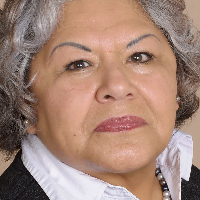
Nevada · 3 yrs exp
Licensed Clinical Social Worker - mood and relationship concerns
Stress, Anxiety · Relationship · Family · Trauma and abuse · +11 more
Read profile
Nevada · 20 yrs exp
LCSW - Emotion and attachment work
Stress, Anxiety · Family · Trauma and abuse · Self esteem · +11 more
Read profile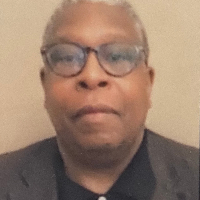
Nevada · 20 yrs exp
Licensed counselor - relationships and trauma
Stress, Anxiety · Addictions · Relationship · Family · +15 more
Read profile
Nevada · 25 yrs exp
LCSW - relationships and attachment
Stress, Anxiety · Relationship · Family · Trauma and abuse · +8 more
Read profile
Nevada · 3 yrs exp
LMFT - Relationship and life challenges
Stress, Anxiety · Addictions · Depression · LGBT · +10 more
Read profile
Nevada · 11 yrs exp
Licensed counselor - trauma and life changes
Parenting · Self esteem · Coping with life changes · Compassion fatigue · +13 more
Read profile
Nevada · 20 yrs exp
Licensed counselor - relationships and trauma
Family · Self esteem · Career · Coping with life changes · +5 more
Read profile
Nevada · 15 yrs exp
LCSW - Relationships and Mood Concerns
Stress, Anxiety · Relationship · Family · Parenting · +12 more
Read profile
Nevada · 8 yrs exp
LCPC in Nevada - emotion and coping work
Stress, Anxiety · Trauma and abuse · Self esteem · Bipolar · +15 more
Read profile
Nevada · 15 yrs exp
Nevada LMFT - relationship and emotion focus
Stress, Anxiety · Relationship · Trauma and abuse · Anger · +1 more
Read profile
Nevada · 7 yrs exp
Licensed Clinical Social Worker - Depression and Trauma
LGBT · Trauma and abuse · Grief · Self esteem · +1 more
Read profile
Nevada · 5 yrs exp
LCSW - Relationships and Anxiety
Stress, Anxiety · Relationship · Grief · Self esteem · +1 more
Read profileEmotionally-Focused Therapy, often abbreviated EFT, is an approach that focuses on emotions, attachment and the interaction patterns that repeat between people. In plain language, it helps you explore the feelings and relationship dynamics that shape how you respond to yourself and others. EFT is used with individuals and is often applied in work with couples. When you read a profile that lists EFT among the approaches, that indicates the therapist includes emotional and attachment-focused ideas in their practice, not that they hold any particular certification in EFT.
As you consider whether EFT could be right for you, think about the kinds of changes you want to see in your emotional life or relationships. You might look for descriptions of how a practitioner talks about emotions, how they describe relational patterns, and whether they outline what a typical course of work looks like. Keep in mind that no approach guarantees a particular result. If you are experiencing immediate danger or are unsafe at home, call local emergency services or a domestic-abuse helpline for urgent support rather than relying on an online directory.
The Nevada heading groups profiles that have chosen a Nevada listed location, but the presence of a listed location does not by itself prove an office address, local practice permission, or physical proximity to you. Profiles may belong to professionals working in the United States, the United Kingdom or Australia. Regulatory frameworks differ across these countries. In the United States, you will often see references to state licensing; in the United Kingdom and Australia, professionals may note registration, membership or affiliation with professional bodies. Academic degrees such as PhD, PsyD, MD, MA or MSW describe educational background and are not in themselves evidence that someone currently holds permission to practice. You should use the profile as a starting point and check directly with the practitioner about whether they are authorized to work with people who live in your state, region or country.
When you examine a profile, look for clear statements about how the practitioner describes their role, the populations they work with and the jurisdictions where they are able to provide care. If licensing or registration details are important to you, ask about the exact type of credential and how it applies to remote work or to in-person services in Nevada. Verifying these details up front helps you understand whether the practitioner meets the regulatory expectations that matter to you.
When you contact a profile you are interested in, preparing a few concrete questions will help you compare clinicians more effectively. Ask how the practitioner describes Emotionally-Focused Therapy in everyday terms and how they adapt it when someone presents with anxiety, depression, trauma or relational conflict. Ask about the kinds of clients and situations they have worked with most often and whether they have experience with challenges similar to yours. It is reasonable to request examples of what a typical session structure might look like and what kinds of goals people commonly set in the early weeks of work.
Because listing EFT on a profile does not mean a practitioner treats every client group, ask whether they work with adults, adolescents, couples or families and whether they routinely accept people with the concerns you have. Ask about their practice approach - whether they integrate other psychological perspectives alongside EFT and how they determine which elements to use for a given situation. You can also ask how the practitioner handles risk, crisis planning and coordination with local services if something urgent arises. These are practical questions that go beyond labels and help you understand how the approach would be applied to your needs.
If you are considering remote sessions with someone listed in Nevada, discuss jurisdictional permission and emergency planning before you begin. Ask the practitioner whether they are allowed to provide care to people who live in the state or country where you are located and how they handle situations that require local intervention. Clarify time zone arrangements, the technology they use for video or phone meetings, and what to do if a connection is interrupted. Request information about how your information is managed, how notes are kept, and who has access to those records so you can decide whether the setup meets your expectations.
It is also sensible to talk through expectations about session length, how continuity is maintained if a meeting must be canceled, and whether the practitioner will coordinate care with other providers such as medical doctors or school professionals when appropriate. If you have concerns about safety at home, confirm the practitioner’s plan for responding to crisis situations and remember to contact emergency services or a domestic-abuse helpline in your area for immediate help.
Profiles often include several strands of information that you can weigh against your priorities. Focus areas describe the kinds of problems a practitioner emphasizes, for example relationship strain, grief, life transitions, or mood difficulties. Read these descriptions carefully and consider whether the language used resonates with your experience. Languages spoken are important if you prefer to be seen in a language other than English - verify whether sessions in another language are offered directly or through an interpreter and what that means for the way therapy is provided.
When it comes to credentials, separate academic degrees from professional authorization. Degrees tell you about education, while licensing, registration or membership in professional bodies indicates the framework that governs practice in a particular place. If regulatory status matters to you, ask the practitioner for the exact credential and how it applies to offering services to people in Nevada or in your country. Pay attention to the descriptions of therapeutic style and session tone - some practitioners emphasize a collaborative, exploratory process while others describe a more structured approach. Consider asking for a brief initial conversation to get a sense of rapport and how a practitioner responds to your questions. Comparing profiles with these concrete angles in mind - focus, language, qualification type and style - will help you narrow choices to practitioners whose approach aligns with what you want to explore.
This directory groups profiles by the Nevada listed location to help you start your search. It does not replace direct verification. Before you begin work with any practitioner, check their individual profile and confirm that they have permission to work with people where you live and that their stated focus matches your needs. If you are in immediate danger, contact local emergency services or a domestic-abuse helpline for urgent assistance.
Anger
2283 therapists
Control Issues
2023 therapists
Depression
2953 therapists
Domestic Violence
1374 therapists
Grief
2540 therapists
Guilt and Shame
2513 therapists
Intimacy Issues
1988 therapists
Isolation / Loneliness
2347 therapists
Midlife Crisis
1809 therapists
Mood Disorders
1950 therapists
Panic Disorder and Panic Attacks
1919 therapists
Post-Traumatic Stress
2237 therapists
Postpartum Depression
1245 therapists
Self Esteem
2871 therapists
Social Anxiety and Phobia
2288 therapists
Stress & Anxiety
3101 therapists
Trauma and Abuse
2718 therapists
Abandonment
1988 therapists
Attachment Issues
2143 therapists
Blended Family Issues
1623 therapists
Caregiver Issues and Stress
1889 therapists
Codependency
1894 therapists
Commitment Issues
1671 therapists
Communication Problems
2626 therapists
Coping with Life Changes
2710 therapists
Divorce
2136 therapists
Family
2534 therapists
Family of Origin Issues
1557 therapists
Fertility Issues
676 therapists
Forgiveness
2405 therapists
Infidelity
1592 therapists
Jealousy
1546 therapists
Life Purpose
2511 therapists
Parenting
2181 therapists
Pregnancy
1008 therapists
Relationship
2834 therapists
Self-Love
2495 therapists