- Emotionally-Focused Therapy
- Attachment-based work
- Client-centered care
About Anat
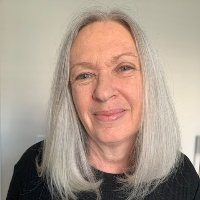
Dr. Anat Anais is a licensed clinical social worker (LCSW) in New York with 30 years of clinical experience. She works with people facing stress, anxiety, depression, relationship problems, trauma and abuse, and a wide range of other concerns listed on her profile. She conducts sessions in English and Hebrew and has practiced across many settings in New York.
Her approach is grounded in person-centered care that focuses on strengths. She draws on Emotionally-Focused Therapy (EFT) alongside attachment-based and client-centered ideas to address emotions and relationship patterns. She also uses cognitive behavioral techniques and motivational interviewing when they suit a person's goals.
In sessions she aims to help people name hard-to-reach feelings, notice patterns in close relationships, and practice different ways of responding. Conversations include looking at past relationships and current stresses, and trying small changes to see what helps. She helps with specific problems like sleep and eating concerns, substance use issues, grief, and coping with life changes.
Her background includes a master’s degree and a doctorate in social work from Adelphi University. Over three decades she has worked with people from diverse backgrounds and with a wide range of struggles, including parenting challenges, adoption and foster care questions, attachment issues, and recovery from domestic violence.
Therapy planning is collaborative. She discusses goals and options with each person and adapts methods as needed. To begin, prospective clients follow the site’s matching steps and schedule a first session.
How her approaches translate to online work
Emotionally-Focused Therapy helps name and work with deep emotions and relationship patterns. It focuses on how feelings shape interpersonal responses and can be useful for people who want to change repeated negative cycles with others. Attachment-Based Therapy looks at how early and current attachment patterns shape reactions in close relationships and helps people notice and shift those patterns.She combines these approaches with client-centered methods that prioritize the person's experience. Finding the right approach is collaborative. The therapist will discuss goals, preferences, and what feels most helpful, then adjust methods as therapy progresses.
Session formats are not specified in the biography, so confirm current session options before booking. Online sessions can make it easier to fit therapy into a busy life, shorten travel time, allow brief check-ins during a workday, or reduce the need to be on camera. Licensed professionals can use these formats to maintain continuity of care while focusing on emotional processing, communication changes, and practical coping skills.
Areas of expertise
Primary focus
Also works with
Additional focus areas
Therapeutic approaches
Experience
30+ years
Listed in
New York
Languages
English, Hebrew
Frequently asked questions
What concerns does she address?
She works with stress, anxiety, depression, relationship issues, trauma and abuse, grief, self-esteem, addictions, and many other listed concerns.
What is her therapeutic style?
She describes a person-centered, strengths-oriented style that draws on multiple models including Emotionally-Focused Therapy and attachment ideas.
How much clinical experience does she have?
She has 30 years of clinical experience working in New York and other settings with diverse clients.
Which credential and location describe her practice?
She is a licensed clinical social worker, LCSW, licensed in New York and practices in New York.
What languages are supported in sessions?
Sessions are offered in English and Hebrew.
Can people outside the U.S. work with her?
She does not accept international clients at this time.
How are sessions paid for and priced?
Cost varies with location; sessions use a subscription that can be canceled at any time.
What are the steps to begin working together?
Choose the See online therapy options button, complete the short matching questionnaire, and schedule a first session.
Profile details come from information the therapist supplied to BetterHelp. Credential and registration rules differ between the United States, the United Kingdom and Australia.