- Emotionally-Focused Therapy
- Cognitive Behavioral Therapy
- Attachment-Based Therapy
About April
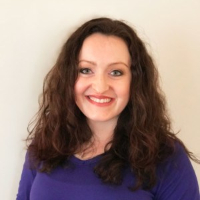
April Pomerlyan is a Licensed Clinical Mental Health Counselor (LCMHC) practicing in North Carolina with eight years of experience. She meets people who are managing stress, anxiety, trauma and abuse, grief, depression, ADHD, addictions, relationship and intimacy concerns, parenting strain, anger, self-esteem issues, career questions, bipolar disorder, and coping with major life changes. April also works with concerns linked to adoption and foster care, attachment issues, autism and Asperger syndrome, chronic illness, caregiver stress, and other complex presentations.
She approaches counseling as a partnership. In early sessions she focuses on listening and learning who the client is. That helps shape practical next steps and goals that feel realistic for daily life.
April uses an integrative style that draws on Client-Centered Therapy, Cognitive Behavioral Therapy (CBT), Dialectical Behavior Therapy (DBT), Attachment-Based Therapy, and Emotionally-Focused Therapy (EFT). She often begins with reflection and then adds skills and strategies to change unhelpful thinking and behavior patterns. Sessions are straightforward and focused on what the client wants to address.
In practice she pays attention to strengths and personal values when setting goals. She explains techniques and offers examples so clients can try them between sessions. Progress is tracked in small steps and practical skills are emphasized.
People who prefer clear explanations, a mix of listening and skills work, and guidance on everyday coping may find her approach fits. Sessions are conducted in English and follow the clinical methods listed above.
How her approaches translate to online work
April commonly draws on Emotionally-Focused Therapy (EFT) to help people identify and name difficult emotions and the patterns that keep those emotions active. EFT focuses on feelings and attachment needs and is often used when relationship and emotional patterns are the core concern.She also uses Attachment-Based Therapy, which looks at how early connections shape current relationship expectations and coping. This approach helps when attachment patterns show up in close relationships or when someone wants clearer understanding of how they relate to others. Client-Centered Therapy is another core strand; it emphasizes listening and reflection so clients can make sense of their own experience and decide what changes feel right to them.
Finding the right approach is part of the work. She will help figure out which methods fit a client's needs, goals, and preferences, and adjust that plan as therapy continues. The process is collaborative and focused on practical steps clients can use between meetings.
Session format details were not specified in the provided biography, so confirm current session options before booking. Online sessions can make it easier to fit therapy into a busy week, reduce travel time, and allow shorter check-ins when schedules are tight. They also let people use sessions during a break at work or from another suitable location, and can reduce the logistical burden of attending in person.
Areas of expertise
Primary focus
Also works with
Additional focus areas
Therapeutic approaches
Experience
8+ years
Listed in
North Carolina
Languages
English
Frequently asked questions
What concerns does she address?
She works with stress, anxiety, trauma and abuse, grief, depression, ADHD, addictions, relationship and intimacy issues, parenting, anger, self-esteem, career concerns, bipolar disorder, and coping with life changes, plus several additional focus areas.
What is her therapeutic style?
She describes counseling as a partnership and uses listening, reflection, and practical skills work. Sessions combine person-centered reflection with cognitive and behavioral tools.
How much clinical experience does she have?
April has eight years of experience as a clinician working with a range of mood, stress, trauma, and relationship-related concerns.
What are her credentials and where is she located?
She is a Licensed Clinical Mental Health Counselor (LCMHC) in North Carolina.
Which languages are supported?
Sessions are offered in English.
Does she work with international clients?
She does not accept international clients at this time.
How does cost and billing work?
Session cost varies with location and therapy uses a subscription model that can be canceled at any time.
How do I begin working with her?
Click the See online therapy options button, complete a short matching questionnaire, and schedule a first session.
Profile details come from information the therapist supplied to BetterHelp. Credential and registration rules differ between the United States, the United Kingdom and Australia.