- Emotion-focused work
- Attachment-based tools
- CBT and mindfulness
About Mary
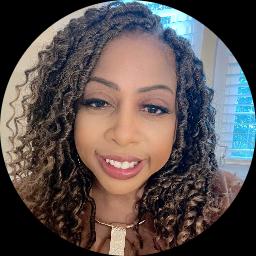
Mary Walston is a Licensed Clinical Mental Health Counselor (LCMHC) in North Carolina with 11 years of experience. She sees people facing stress, anxiety, depression, grief, relationship and family concerns, trauma and abuse, parenting challenges, and intimacy-related issues. She also addresses anger, self-esteem, career decisions, ADHD, compassion fatigue, and life transitions.
Mary focuses on uncovering recurring patterns and the root causes of problems. She uses conversation and guided reflection to help people notice how emotions and behaviors keep cycles going. Sessions look at how past relationships and attachment affect current choices and connections.
Her work draws on Emotionally-Focused Therapy and Attachment-Based ideas to name feelings and shifts in interaction. She also integrates Cognitive Behavioral Therapy, Client-Centered Therapy, Motivational Interviewing, and mindfulness techniques to offer practical skills for daily life.
Mary aims to make sessions interactive and straightforward. She helps people practice different ways of responding to stress, conflict, and difficult emotions. That can include learning communication moves, managing impulses, and coping strategies for grief and loss.
Her background includes more than a decade of clinical work across relationship and individual concerns. Mary invites people who want to address patterns around commitment, infidelity, blended family issues, caregiver stress, and family of origin problems to explore those matters in session.
How Mary uses EFT, attachment ideas, and online sessions
Mary draws on Emotionally-Focused Therapy to help people notice and name strong emotions and the relationship patterns those feelings create. EFT is often used when people want to understand how attachment needs shape interactions and emotional responses. Attachment-Based Therapy looks at how early bonds affect current relationships and offers ways to try different emotional approaches in close connections.She also brings client-centered principles, which means the work begins with the client's concerns and moves at the client's pace. Finding the right mix of approaches is part of the process, and she works with each person to decide what fits best based on goals and preferences.
Session formats are not specified in the biography, so confirm current options before booking. Online sessions can make therapy easier to fit into a weeknight or a lunch break, reduce travel time, and let people connect from a quieter place. Video sessions allow face-to-face interaction, while audio can be shorter and less bandwidth intensive; the therapist and client will choose what works for scheduling and communication needs.
Areas of expertise
Primary focus
Also works with
Additional focus areas
Therapeutic approaches
Experience
11+ years
Listed in
North Carolina
Languages
English
Frequently asked questions
Which concerns does she help with?
She works with stress, anxiety, depression, grief, relationship and family concerns, trauma and abuse, parenting issues, intimacy-related problems, ADHD, and related topics listed in her specialties.
What is her therapeutic style?
She combines Emotionally-Focused Therapy and attachment ideas with client-centered conversation. She also uses CBT, motivational interviewing, and mindfulness approaches to teach practical strategies.
How much clinical experience does she have?
She has 11 years of clinical experience working with individuals, couples, and families on a range of concerns.
What credential does she hold and where is she based?
She is an LCMHC licensed in North Carolina and practices from that state.
Which languages are supported?
Sessions are offered in English.
Can international clients work with her?
She does not accept international clients at this time.
How are sessions billed?
Costs vary with location and sessions use a subscription that can be canceled at any time.
How do I begin a first session?
Select the See online therapy options button, complete the short matching questionnaire, and schedule a first session.
Profile details come from information the therapist supplied to BetterHelp. Credential and registration rules differ between the United States, the United Kingdom and Australia.