- Emotionally-Focused Therapy
- CBT and ACT methods
- Biofeedback experience
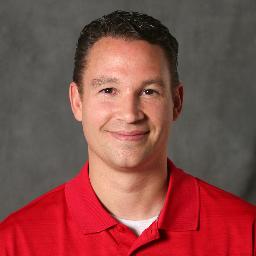
About Matthew
Dr. Matthew Reiser is a UT Psychologist (5184406-2501) with 19 years of experience based in Utah. He works with stress, anxiety, relationship concerns, trauma and abuse, self-esteem, depression, addictions, LGBT issues, grief, intimacy-related problems, eating and sleeping issues, parenting and family concerns, anger, career questions, bipolar disorder, ADHD, and coping with life changes.
He uses Emotionally-Focused Therapy along with Acceptance and Commitment Therapy, Client-Centered Therapy, Cognitive Behavioral Therapy, and Dialectical Behavior Therapy. Sessions are interactive and focus on identifying emotions and patterns that cause pain. He helps people name hard-to-see feelings and try new ways of relating to themselves and others.
Matthew trained in psychology and counseling with degrees from the University of Utah, Utah State University, and a Ph.D. in Counseling Psychology from Brigham Young University. He has worked primarily in university and college counseling centers and has several years in private practice.
In sessions he draws on evidence-informed techniques such as CBT skills, ACT exercises, DBT strategies, and client-centered listening. He also brings experience with biofeedback models and sport psychology from his past roles at educational clinics.
People who come to him for relationship and attachment concerns can expect a focus on emotions, communication patterns, and concrete strategies to reduce distress. He balances talking through experiences with practical skill work to support changes outside of sessions.
How his approaches translate to online work
Emotionally-Focused Therapy (EFT) focuses on identifying and shifting emotional patterns that fuel relationship or personal distress. In practice this means naming core feelings, tracking interaction cycles, and trying new ways of responding to strengthen emotional bonds. Acceptance and Commitment Therapy (ACT) helps people notice unhelpful thoughts and choose actions that align with what matters. ACT uses exercises to build psychological flexibility and coping with life changes. Client-Centered Therapy offers a listening-based approach that centers the client's perspective and supports self-directed processing.Choosing the right approach is part of the work. He will discuss goals, preferences, and how emotions and behavior interact to decide which methods to use. That decision is collaborative and can change as needs evolve over time.
Session logistics should be confirmed before booking since the original biography does not list specific formats. Talk-based work and skills practice translate well to remote sessions, and online meetings can make it easier to fit therapy into a day. Online options can allow shorter check-ins, reduce travel time, and let people use video or phone choices depending on bandwidth or comfort. Confirm the available session formats when you schedule to match the practical needs of your routine.
Areas of expertise
Primary focus
Also works with
Additional focus areas
Therapeutic approaches
Experience
19+ years
Listed in
Utah
Languages
English
Frequently asked questions
What concerns does he help with?
He works with stress, anxiety, relationship issues, trauma and abuse, self-esteem, depression, addictions, LGBT issues, grief, intimacy, eating and sleeping problems, parenting and family concerns, anger, career difficulties, bipolar disorder, ADHD, and coping with life changes.
What is his therapeutic style like?
He uses an interactive, client-centered style that emphasizes understanding emotions and patterns. Sessions combine discussion with practical skills from several approaches.
How much experience does he have?
He has 19 years of clinical experience, including work in university counseling centers and time in private practice.
What are his credentials and where is he based?
He is listed as UT Psychologist 5184406-2501 and practices in Utah.
Which languages are supported?
Sessions are offered in English.
Can international clients work with him?
He does not accept international clients at this time.
How does payment or cost work?
Cost varies with location and sessions use a subscription model that can be canceled at any time.
How do I begin working with him?
Select the See online therapy options button, complete a short matching questionnaire, and schedule a first session.
Profile details come from information the therapist supplied to BetterHelp. Credential and registration rules differ between the United States, the United Kingdom and Australia.