- Emotion-focused work
- Attachment patterns
- CBT and DBT skills
About Rachelle
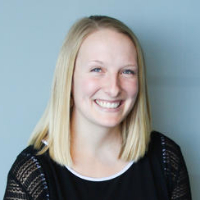
Rachelle Belott Filipiak is a Licensed Professional Counselor (LPC) in Wisconsin with five years of clinical experience. She works with people facing stress, anxiety, relationship and family concerns, trauma and abuse, depression, addictions, grief, eating difficulties, parenting strain, anger, self-esteem, career shifts, life changes, and ADHD. Sessions are conducted in English and international clients are accepted.
She trained at the University of Wisconsin-Stout and has worked in a domestic violence shelter for women, a college counseling center, a medium-security correctional facility for men, and in outpatient mental health settings. That mix of experience informs how she notices patterns in relationships and day-to-day life.
Her practice draws on Emotionally-Focused Therapy (EFT), Attachment-Based Therapy, Client-Centered Therapy, Cognitive Behavioral Therapy (CBT), and Dialectical Behavior Therapy (DBT). In session she focuses on emotions, attachment patterns, and the thoughts and behaviors that keep problems going. Conversations aim to identify obstacles and try practical ways to change unhelpful responses.
Rachelle uses straightforward, interpersonal work to help people build skills for managing distress. She teaches strategies to shift thinking and behavior, and she practices with clients on new ways of responding. The goal is that people develop confidence to handle future challenges on their own.
She asks new clients to complete a short matching questionnaire before scheduling a first appointment. Costs vary by location and sessions use a subscription model that can be canceled at any time.
How her approaches translate to online work
Emotionally-Focused Therapy (EFT) focuses on identifying and working with emotions that shape how people relate to themselves and others. It is often used when attachment patterns and hard-to-name feelings drive repeated relationship or personal problems.Attachment-Based Therapy looks at early and current attachment patterns and how they influence reactions and expectations in relationships. This approach can help with communication problems, commitment concerns, and feelings of abandonment or insecurity.
Client-Centered Therapy centers the client's perspective and priorities, using listening and reflection to help people clarify their goals and make decisions. It pairs well with skills-based methods like CBT and DBT when practical strategies are needed.
Finding the right approach is part of the work together. The therapist will discuss goals, preferences, and what feels most useful, and then choose methods collaboratively. That can mean focusing on emotions and attachment in one phase and practicing CBT or DBT skills in another.
Session formats are not listed in the biography, so confirm current options before booking. Online therapy can make regular meetings easier to fit into a busy life, allow shorter check-ins when needed, reduce travel time, and let people work on skills from wherever they are. Licensed professionals, including this counselor, use a mix of emotion-focused conversation and concrete skill practice that adapts to each person’s needs.
Areas of expertise
Primary focus
Also works with
Additional focus areas
Therapeutic approaches
Experience
5+ years
Listed in
Wisconsin
Languages
English
Frequently asked questions
What kinds of problems does she help with?
She helps people with stress, anxiety, depression, trauma and abuse, addictions, grief, eating concerns, parenting strain, anger, self-esteem, career changes, ADHD, and relationship or family struggles.
What is her therapeutic style?
She uses Emotionally-Focused Therapy (EFT) alongside attachment-based, client-centered, CBT, and DBT approaches to focus on emotions, attachment patterns, and practical skills.
How much clinical experience does she have?
She has five years of experience working in settings that include a domestic violence shelter, a college counseling center, a medium-security correctional facility, and outpatient mental health services.
What are her credentials and where is she based?
She is a Licensed Professional Counselor (LPC) practicing in Wisconsin.
Which languages are supported?
Sessions are offered in English.
Can people outside the United States work with her?
International clients are accepted.
How are sessions paid for and what do they cost?
Cost varies with location and sessions are arranged via a subscription that can be canceled at any time.
What do I need to do to begin?
Start by selecting the See online therapy options button, complete a short matching questionnaire, and then schedule your first session.
Profile details come from information the therapist supplied to BetterHelp. Credential and registration rules differ between the United States, the United Kingdom and Australia.