- Emotion-focused therapy
- Attachment-based care
- DBT skills
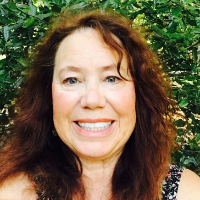
About Sherry
Sherry Friedman is an LPC, LCMHC practicing in North Carolina with 12 years of clinical experience. She works with people facing stress, anxiety, trauma and abuse, grief, mood disorders, parenting strains, career concerns, and relationship and family problems.
She describes her work as focusing on emotions, attachment, and underlying patterns. Sessions often look at how past relationships affect current reactions. She uses Emotionally-Focused Therapy (EFT) alongside attachment-based ideas and client-centered methods to help people name and respond to strong feelings.
Sherry also draws on dialectical behavior techniques and Jungian perspectives. That means practical skills for managing intense emotion, together with attention to personal meaning and life themes. She mentions mindfulness tools and HeartMath coherence as part of how she helps people notice and regulate emotion.
Her background includes training in school psychology, gifted education, and clinical counseling, and she holds LPC and LCMHC credentials. She has written about being highly sensitive and offers resources she has used with clients.
In a session she listens, reflects patterns, and introduces concrete skills when needed. Conversations may include looking at attachment wounds, learning grounding and emotion-regulation strategies, or working through family-of-origin issues and communication problems.
People who prefer an emotion-focused, practical approach to handling anxiety, trauma responses, relationship conflict, or life transitions may find her style matches their needs. Sessions are conducted in English in North Carolina, and international clients are not accepted at this time.
Approaches for emotion and attachment work online
Emotionally-Focused Therapy (EFT) focuses on feeling states and the patterns that keep people stuck. It helps people name core emotions and change how they respond to those feelings, which can shift interaction and mood patterns.Attachment-Based Therapy looks at early relationship patterns and how they shape reactions now. It is useful for understanding long-standing fears of abandonment, attachment wounds, and repeated relationship cycles.
Client-Centered Therapy emphasizes listening and the client's perspective. The therapist reflects what the person says and helps them find their own solutions and clearer self-understanding.
Finding the right approach is part of the work. The therapist will collaborate with each person to choose methods that match their goals, needs, and preferences. That may mean combining emotion-focused exploration with specific skills from DBT or mindfulness tools.
Session formats are not listed in the biography, so confirm current online options before booking. Online sessions can make it easier to fit therapy into a busy life by avoiding travel, allowing shorter check-ins on a break, or offering options that don’t require being on camera. Licensed professionals can adjust pacing, use skills practice between meetings, and help integrate what is learned into daily routines.
Areas of expertise
Primary focus
Also works with
Additional focus areas
Therapeutic approaches
Experience
12+ years
Listed in
North Carolina, South Carolina, Rhode Island
Languages
English
Frequently asked questions
What concerns does she address?
She works with stress, anxiety, trauma and abuse, grief, mood disorders including bipolar and depression, parenting strains, career issues, relationship and family problems, and related concerns such as abandonment and attachment issues.
How would you describe her therapeutic style?
Her approach emphasizes emotions and attachment. She combines Emotionally-Focused Therapy with client-centered listening, DBT skills, Jungian ideas, and mindfulness techniques.
How much experience does she have?
She has 12 years of clinical experience working with a range of mood, trauma, and relationship concerns.
What are her credentials and where is she based?
She holds LPC and LCMHC credentials and practices in North Carolina.
Which languages are supported for sessions?
Sessions are offered in English.
Can international clients book sessions?
International clients are not currently accepted.
How does payment work and what does it cost?
Cost varies with location and sessions use a subscription model that can be canceled at any time.
How do I begin if I want to work together?
Select the See online therapy options button, complete a short matching questionnaire, and schedule a first session.
Profile details come from information the therapist supplied to BetterHelp. Credential and registration rules differ between the United States, the United Kingdom and Australia.