
L M (Loretta) Hartley-Bangs
LISW-CPSouth Carolina · 36 yrs exp
LISW-CP therapist - mood and life transitions
Stress, Anxiety · Addictions · Family · Trauma and abuse · +3 more
Read profileTherapist listings are provided by BetterHelp. We will earn a commission at no additional cost to you if you use our links to purchase.
Use this page to compare profiles of professionals who list Emotionally-Focused Therapy and to learn how that approach might fit your needs in South Carolina. Browse profiles to see focus areas, credentials, languages, and practitioner descriptions before reaching out.
South Carolina · 36 yrs exp
LISW-CP therapist - mood and life transitions
Stress, Anxiety · Addictions · Family · Trauma and abuse · +3 more
Read profile
South Carolina · 13 yrs exp
LMFT - Relationships and Emotional Health
Stress, Anxiety · Relationship · Intimacy-related issues · Self esteem · +9 more
Read profile
South Carolina · 9 yrs exp
LPC in South Carolina - Emotion and relationship work
Stress, Anxiety · Trauma and abuse · Grief · Depression · +16 more
Read profile
South Carolina · 11 yrs exp
Licensed Professional Counselor - Emotional and behavioral concerns
Stress, Anxiety · Family · Self esteem · Depression · +16 more
Read profile
South Carolina · 20 yrs exp
LCSW therapist - relationships and emotional struggles
Stress, Anxiety · LGBT · Relationship · Family · +6 more
Read profile
South Carolina · 6 yrs exp
LPC - Relationships and Emotional Work
Stress, Anxiety · Relationship · Family · Intimacy-related issues · +6 more
Read profile
South Carolina · 8 yrs exp
Licensed Professional Counselor - Stress and Relationships
Stress, Anxiety · Relationship · Self esteem · Depression · +10 more
Read profile
South Carolina · 10 yrs exp
LMFT - relationships and trauma
Stress, Anxiety · Relationship · Family · Trauma and abuse · +2 more
Read profile
South Carolina · 6 yrs exp
Licensed Professional Counselor - Emotion and attachment work
Stress, Anxiety · Family · Trauma and abuse · Anger · +14 more
Read profile
South Carolina · 5 yrs exp
LPC - Emotion and relationship concerns
Stress, Anxiety · Family · Trauma and abuse · Grief · +1 more
Read profile
South Carolina · 12 yrs exp
Licensed clinical social worker - stress and identity
Stress, Anxiety · LGBT · Trauma and abuse · Anger · +1 more
Read profile
South Carolina · 16 yrs exp
Licensed Professional Counselor - Relationship and Trauma
Relationship · Family · Trauma and abuse · Grief · +9 more
Read profile
South Carolina · 17 yrs exp
Licensed Professional Counselor - Stress and Mood
Stress, Anxiety · Grief · Anger · Self esteem · +8 more
Read profile
South Carolina · 10 yrs exp
Licensed Professional Counselor - Relationships and Anxiety
Stress, Anxiety · Relationship · Parenting · Self esteem · +13 more
Read profile
South Carolina · 17 yrs exp
Dr. Damien Johnson - LPC LCMHC, stress and addiction support
Stress, Anxiety · Addictions · Relationship · Trauma and abuse · +10 more
Read profile
South Carolina · 10 yrs exp
Licensed Professional Counselor - Relationships and Mood
Stress, Anxiety · Relationship · Grief · Self esteem · +8 more
Read profile
South Carolina · 8 yrs exp
LPC - Emotion, relationships, life changes
Stress, Anxiety · Relationship · Depression · Coping with life changes · +7 more
Read profile
South Carolina · 13 yrs exp
Licensed Professional Counselor - Family and emotional concerns
Stress, Anxiety · Family · Anger · Self esteem · +10 more
Read profile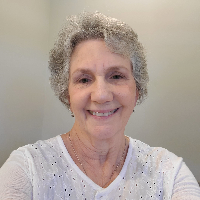
South Carolina · 20 yrs exp
Licensed counselor - relationships and mood
Stress, Anxiety · Relationship · Trauma and abuse · Sleeping · +13 more
Read profile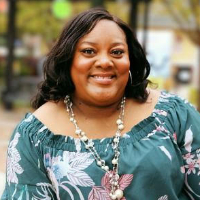
South Carolina · 15 yrs exp
Licensed Professional Counselor - Anxiety and Relationships
Stress, Anxiety · Trauma and abuse · Anger · Self esteem · +13 more
Read profile
South Carolina · 24 yrs exp
Licensed Professional Counselor - relationships and emotion
Stress, Anxiety · Relationship · Self esteem · Depression · +14 more
Read profile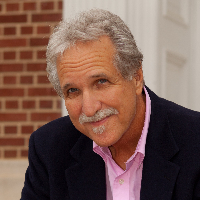
South Carolina · 33 yrs exp
Licensed Professional Counselor - Relationships and Life Change
Stress, Anxiety · Relationship · Family · Career · +10 more
Read profile
South Carolina · 22 yrs exp
LPC and LCMHC - Relationships and Emotions
Stress, Anxiety · Relationship · Self esteem · Depression · +1 more
Read profile
South Carolina · 26 yrs exp
LPC in South Carolina - Anxiety and Life Changes
Stress, Anxiety · Relationship · Self esteem · Coping with life changes · +6 more
Read profileEmotionally-Focused Therapy, often called EFT, is an approach that looks closely at emotions, attachment, and the interaction patterns that repeat between people. In plain language, it helps you and a therapist notice how feelings and responses get triggered, how past attachment experiences shape current relationships, and how new emotional interactions can open different choices. EFT is commonly used with individuals and is also frequently applied in sessions that involve partners, though whether a given practitioner works with couples is something you should confirm by reading a profile or asking directly.
Because EFT is an approach rather than a guarantee, you should not expect it to automatically resolve a relationship issue or eliminate a problem. Listings in this directory indicate that a clinician includes EFT among their approaches, which is not evidence of formal EFT certification. When you read a profile, look for descriptions of how a therapist explains their approach, the kinds of problems they commonly address, and whether their language resonates with your sense of what might be helpful.
If you are in immediate danger or unsafe at home, contact emergency services or a local domestic abuse helpline right away. Those services can offer immediate assistance and safety planning that goes beyond what a therapy listing can provide.
The listed location on a profile indicates the place the practitioner associates with their practice profile, but it does not by itself prove proximity, an office address, or permission to work with you where you live. You should check the individual profile for details about practice settings and, if relevant, confirm directly with the practitioner that they are permitted to offer services in your jurisdiction and willing to work with you in your listed location.
Profiles may include academic degrees like PhD, PsyD, MD, MA, or MSW. Degrees describe educational qualifications but are not the same as a professional license, registration, or membership. In the United States, clinicians commonly list a license type such as Licensed Clinical Social Worker or Licensed Professional Counselor. In the United Kingdom and Australia, practitioners may list registration or professional memberships rather than a US-style license. The presence of a degree or a registration entry on a profile does not by itself establish current permission to practice, so it is appropriate to ask about licensure, registration, or membership status and whether those credentials are current in the jurisdiction where you live.
When you contact a clinician or review a profile, prepare concrete questions that help you compare approaches and fit. Ask how the therapist describes the role of emotions and attachment in their work and what a typical session aims to accomplish. You can ask whether they have experience working with issues similar to yours and ask for examples of the kinds of concerns they commonly address. If you are interested in partner work, ask whether they work with couples and how they structure sessions to attend to both partners' experiences.
Because profiles list approaches rather than formal training records, you can also ask about how a therapist integrates different approaches. For example, you might say, "I see you list EMDR among your approaches - can you describe how you decide to use that or EFT in a case?" That phrasing invites an explanation without assuming specific credentials. Ask about session length and the therapist's style - whether they tend to be more directive, reflective, or experiential - so you can picture how their method might match your preferences.
If you are considering remote sessions from South Carolina, raise practical and safety topics before beginning. Confirm that the practitioner has permission to practice with clients in your location and ask what steps they take to manage emergency situations. Clarify how you would handle an urgent concern between sessions and what local resources they recommend. Discuss the technology platform you would use and whether they provide guidance for creating a comfortable environment for sessions, including managing distractions and ensuring you have an appropriate physical space for privacy.
Talk about boundaries and logistics such as session cancellation policies and how notes or communication are handled outside of appointments. If language matters to you, ask how the therapist handles sessions in languages other than English and whether they have experience working with interpreters. If you have particular accessibility needs, describe them and ask how the clinician accommodates those needs in remote work. These practical questions help you gauge whether the format and the clinician's processes will work for your circumstances.
When comparing profiles in South Carolina, consider several concrete points that will affect fit. Look at the focus areas described in the profile and ask whether those match your primary concerns, whether that is grief, anxiety, trauma, parenting challenges, or relational patterns. Read the profile language for indications of populations served - some practitioners focus on adults, some on adolescents, and others emphasize work with families or partner relationships. Remember that a listed topic does not prove a clinician treats children, couples, or families, so confirm scope directly.
Pay attention to languages noted in profiles and think about whether you prefer to speak with someone in your first language. Compare credentials by noting degrees and any licensure, registration, or professional memberships indicated. A degree such as MA or MSW is different from a license or registration, and you should feel comfortable asking practitioners to describe the practical meaning of those entries in the profile. Finally, read clinician descriptions to get a sense of therapeutic style. Some profiles emphasize emotion-focused exploration and experiential interventions, while others emphasize problem-focused conversation and skill-building. Imagining a session with the style a profile suggests can help you narrow your options and find someone whose approach aligns with your expectations.
As you review profiles, remember to confirm details directly with the clinician. Check the individual profile for contact instructions and reach out to ask the specific questions that matter to you. Confirm permission to work together where you live so that you know the clinician is able to offer services in your area. Taking these steps can help you make a more informed decision about whether a clinician who lists Emotionally-Focused Therapy might be a good match for the support you are seeking in South Carolina.
Anger
2283 therapists
Control Issues
2023 therapists
Depression
2953 therapists
Domestic Violence
1374 therapists
Grief
2540 therapists
Guilt and Shame
2513 therapists
Intimacy Issues
1988 therapists
Isolation / Loneliness
2347 therapists
Midlife Crisis
1809 therapists
Mood Disorders
1950 therapists
Panic Disorder and Panic Attacks
1919 therapists
Post-Traumatic Stress
2237 therapists
Postpartum Depression
1245 therapists
Self Esteem
2871 therapists
Social Anxiety and Phobia
2288 therapists
Stress & Anxiety
3101 therapists
Trauma and Abuse
2718 therapists
Abandonment
1988 therapists
Attachment Issues
2143 therapists
Blended Family Issues
1623 therapists
Caregiver Issues and Stress
1889 therapists
Codependency
1894 therapists
Commitment Issues
1671 therapists
Communication Problems
2626 therapists
Coping with Life Changes
2710 therapists
Divorce
2136 therapists
Family
2534 therapists
Family of Origin Issues
1557 therapists
Fertility Issues
676 therapists
Forgiveness
2405 therapists
Infidelity
1592 therapists
Jealousy
1546 therapists
Life Purpose
2511 therapists
Parenting
2181 therapists
Pregnancy
1008 therapists
Relationship
2834 therapists
Self-Love
2495 therapists