- Emotionally-Focused Therapy
- Attachment-based work
- CBT and ACT tools
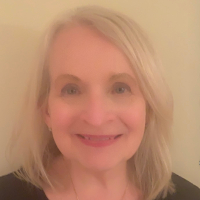
About Deborah
Deborah Beard is an Illinois Licensed Clinical Professional Counselor (LCPC) with 30 years of clinical experience. She works with people facing anxiety, depression, trauma and abuse, relationship and family concerns, parenting challenges, and addiction issues. Deborah also addresses eating and sleeping problems, grief, intimacy concerns, anger, self-esteem, career questions, and bipolar-related concerns.
Her background includes a Master of Science in Family Therapy (1996) from Friends University and earlier roles as a human resources manager and a professor of education. Those experiences shape how she talks about practical life skills, work stresses, and communication patterns during sessions.
Deborah describes her approach as grounded in Emotionally-Focused Therapy (EFT) and Attachment-Based ideas, with tools from Acceptance and Commitment Therapy (ACT), Client-Centered Therapy, and Cognitive Behavioral Therapy (CBT) used when helpful. Sessions tend to focus on identifying difficult emotions, naming interaction patterns, and practicing different ways of responding.
Clients can expect straightforward conversational work that looks at feelings, relationships, and everyday behavior. She pays attention to strengths and to clients' faith or moral values when those are important to the person she is working with.
Her practice has included public and private mental health settings, and she brings three decades of counseling experience to helping people manage stress, relationship strain, and recovery from past hurt.
How Deborah’s approaches translate to online work
Emotionally-Focused Therapy (EFT) focuses on identifying and naming strong emotions and the interaction patterns that keep people stuck. It is often used when relationships and attachment responses are central to the concern. Acceptance and Commitment Therapy (ACT) encourages noticing thoughts and emotions without getting driven by them, then taking actions that match personal values; it can help with anxiety, depression, and behavior change. Finding the right approach is part of the work. Deborah will collaborate with each person to decide whether EFT, ACT, or another method is the best fit given their goals, history, and preferences. This is a shared decision rather than a fixed promise about any one method. Practical benefits of working online include easier fitting of sessions into a busy schedule, shorter check-ins when time is limited, and options that avoid travel time. The biography does not list specific session formats, so confirm which formats are currently offered before booking. Licensed professionals can adapt EFT and ACT techniques to remote sessions to work on naming feelings, practicing new responses, and building different patterns in everyday life.Areas of expertise
Primary focus
Also works with
Additional focus areas
Therapeutic approaches
Experience
30+ years
Listed in
Illinois
Languages
English
Frequently asked questions
What concerns does she address?
She works with stress, anxiety, depression, trauma and abuse, relationship and family concerns, addictions, grief, intimacy-related issues, and related areas listed in her specialties.
What is her therapeutic style?
She uses Emotionally-Focused Therapy and Attachment-Based ideas as a framework and draws on ACT, Client-Centered therapy, and CBT techniques as needed.
How much experience does she have?
Deborah has practiced as a counselor for 30 years and has worked in public and private mental health settings.
What are her credentials and location?
She is an Illinois Licensed Clinical Professional Counselor (LCPC) and based in Illinois.
Which languages are supported and can international clients participate?
Sessions are offered in English, and she accepts international clients.
What session formats are available?
The biography does not list specific session formats; please confirm current session options before booking.
How much do sessions cost?
Cost varies with location and sessions use a subscription that can be canceled at any time.
How do I begin working with her?
Select the See online therapy options button, complete a short matching questionnaire, and schedule a first session.
Profile details come from information the therapist supplied to BetterHelp. Credential and registration rules differ between the United States, the United Kingdom and Australia.