- Emotion-focused work
- Attachment-based approaches
- CBT and DBT tools
About Julie
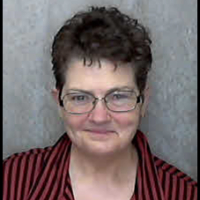
Julie Elliott is a Licensed Clinical Social Worker - Clinical (LCSW-C) and a Licensed Clinical Social Worker (LCSW) practicing in Texas with 35 years of experience. She trained in social work at the University of Houston and has worked in the United States, Canada, and the South Pacific. She lists a wide range of concerns she addresses, including stress, anxiety, trauma and abuse, depression, addictions, grief, and relationship and family concerns.
Julie uses approaches that draw on attachment ideas and emotion-focused work. She also integrates client-centered methods, cognitive behavioral tools, and skills from dialectical behavior therapy. Sessions are practical and focus on naming hard feelings, recognizing patterns, and learning ways to respond differently.
Her background includes long experience with crisis intervention and work related to sexual trauma and PTSD. She also has experience with caregiver stress, substance use issues, body image and eating concerns, and major life changes such as divorce or bereavement. These areas are often explored alongside attachment themes and intimacy-related issues.
In sessions she helps people talk through communication problems, commitment and codependency concerns, and the strain of parenting or blended family life. She lists work with LGBT concerns and supports people facing career stress, bipolar disorder management, sleep or eating disruption, and compassion fatigue.
Julie accepts international clients and conducts therapy in English. Before booking, confirm the current session formats she offers since session options are set by the practice and can change.
How her approaches translate to online work
Emotionally-Focused Therapy focuses on naming and working with emotions and attachment needs to change persistent patterns in relationships and personal life. It helps when strong feelings feel confusing or repeated interactions keep leading to the same outcomes.Attachment-Based Therapy looks at how early bonds shape expectations and reactions in close relationships. It can be useful for people who notice repeated trust issues, fear of abandonment, or trouble connecting with others.
Client-Centered Therapy centers the person's experience and priorities. The therapist listens for what matters most and uses that as the basis for practical steps, skills, and short-term goals.
Finding the right approach is collaborative. The therapist will talk with the client about needs, goals, and preferences and then choose which methods to use together. That choice can change as therapy progresses and as new issues come up.
Session formats are not listed in the biography, so confirm the current online options before booking. Online work can make it easier to fit sessions into a busy week, allow shorter check-ins when needed, and reduce travel time. Some approaches translate well to remote sessions because they rely on conversation, emotion work, and skill practice that can be done by video or phone, but check with the practice to learn the exact formats offered.
Areas of expertise
Primary focus
Also works with
Additional focus areas
Therapeutic approaches
Experience
35+ years
Listed in
Texas, Connecticut, Maryland, New Hampshire
Languages
English
Frequently asked questions
What concerns does she address?
She lists many concerns including stress, anxiety, trauma and abuse, depression, addictions, grief, relationship and family issues, and intimacy-related problems.
What is her therapeutic style?
Her approach combines Emotionally-Focused Therapy with attachment-based and client-centered methods, plus CBT and DBT techniques when helpful.
How much clinical experience does she have?
She has 35 years of clinical experience, including work in the United States, Canada, and the South Pacific.
What credentials and location are listed?
She holds LCSW-C and LCSW credentials and practices in Texas.
Which languages and international options are supported?
Sessions are offered in English and she accepts international clients.
What session formats are offered?
The original biography does not specify session formats; confirm current options with the practice before booking.
How are costs handled?
Cost varies with location and sessions are billed through a subscription that can be canceled at any time.
How do I start working with her?
Use the See online therapy options button, complete the short matching questionnaire, and schedule a first session.
Profile details come from information the therapist supplied to BetterHelp. Credential and registration rules differ between the United States, the United Kingdom and Australia.