- Emotionally-Focused Therapy
- ACT and CBT methods
- Attachment concerns
About Shelley
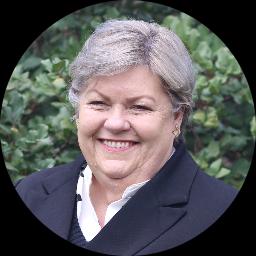
Shelley Murphy is an ACA counsellor in Australia with 16 years of professional experience. She works with people who are coping with stress, anxiety, relationship concerns, anger, low self-esteem and motivation. Shelley also supports those facing grief, trauma, addiction challenges and life changes.
Shelley works from the view that people know their own stories and already have strengths to build on. In sessions she listens, asks practical questions, and helps people notice patterns that get in the way. She aims to help clients name emotions that are hard to pin down and try small, doable changes between sessions.
Her background includes a mix of emotion-focused and evidence-based methods. Shelley uses Emotionally-Focused Therapy to look at attachment and emotional patterns, and she uses Acceptance and Commitment Therapy and Cognitive Behavioral Therapy when helpful. She also draws on client-centred and attachment-based ideas to keep conversations grounded in each person’s experience.
Typical topics Shelley addresses include communication problems, boundaries, codependency and difficulties with intimacy. She also works with caregiver stress, fatherhood issues, body image concerns and career-related strain. Sessions involve clear goal-setting and practical steps to manage day-to-day feelings and behaviour.
Sessions are conducted in English. People who are unclear about how to begin can use the site pathway to complete a short questionnaire and book a first meeting.
How Shelley integrates EFT and online sessions
Emotionally-Focused Therapy (EFT) focuses on recognising and naming emotions, and on how those emotions shape relationship and attachment patterns. It is often used when feelings are confusing or when people get stuck repeating the same interactions. Acceptance and Commitment Therapy (ACT) helps people notice unhelpful thoughts and choose small actions that reflect their values, which can reduce avoidance and increase meaningful activity.Finding the best approach is part of the work together. Shelley treats the choice of method as collaborative, matching EFT, ACT or CBT ideas to each person’s goals and preferences. She will discuss what feels most useful and adapt the focus as progress unfolds.
Please confirm which session formats Shelley offers before booking, as format details are not specified here. Online sessions can make it easier to fit therapy into a busy week, reduce travel time and allow for shorter check-ins when needed. They also help when someone prefers not to be on camera or needs a lower-bandwidth option. If you want to know the precise session types available, check the therapist’s profile booking pathway or contact the service directly.
Areas of expertise
Primary focus
Also works with
Additional focus areas
Therapeutic approaches
Experience
16+ years
Listed in
Australia
Languages
English
Frequently asked questions
What kinds of concerns does she help with?
Shelley works with stress, anxiety, relationship and anger issues plus self-esteem, grief, trauma, addictions and life changes.
What is her general therapeutic style?
She blends Emotionally-Focused Therapy with Acceptance and Commitment Therapy and Cognitive Behavioral Therapy, using client-centred and attachment-based ideas to guide sessions.
How much experience does she have?
Shelley has 16 years of professional work experience in Australia.
What credentials and location are listed?
She is credentialed with the ACA and works from Australia.
Which languages are supported in sessions?
Sessions are offered in English.
Can international clients work with her?
She does not accept international clients at this time.
How are sessions paid for and what does it cost?
Cost varies with location; sessions use a subscription that can be cancelled at any time.
How do I begin sessions with her?
Select the See online therapy options button, complete the short matching questionnaire, and schedule a first session.
Profile details come from information the therapist supplied to BetterHelp. Credential and registration rules differ between the United States, the United Kingdom and Australia.