- Emotionally-Focused Therapy
- Client-Centered approach
- Cognitive Behavioral Therapy
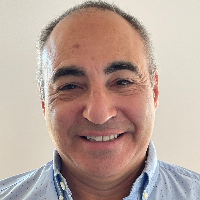
About Stuart
Stuart Riskin is a Licensed Clinical Social Worker (LCSW) in California with 28 years in the helping professions. He works with people facing stress, anxiety, addictions, relationship and intimacy concerns, depression, trauma and grief. Stuart also addresses parenting, career strain, ADHD, and coping with life changes.
Stuart followed a nontraditional path into social work after a first career in the entertainment industry. That background informs his practical, down-to-earth approach. He treats people as partners in therapy and expects clients to bring their own knowledge to sessions.
His stated methods include Emotionally-Focused Therapy (EFT), Client-Centered Therapy, and Cognitive Behavioral Therapy (CBT), along with the Gottman Method and mindfulness practices. In sessions he focuses on emotions, patterns in relationships, and concrete skills people can try between meetings.
Stuart describes his style as strength-based and collaborative. He aims to be supportive and respectful while encouraging change the client wants to make. He frames progress as something built by both the client and therapist together.
People often come to him for issues linked to attachment, abandonment, codependency, communication problems, and substance use. He also works with aging and caregiver stress, adoption and foster care concerns, domestic violence effects, and compassion fatigue. Stuart accepts international clients and conducts therapy in English.
Working with EFT and related approaches online
Stuart lists Emotionally-Focused Therapy (EFT), Client-Centered Therapy, and Cognitive Behavioral Therapy (CBT) among his approaches. EFT focuses on identifying emotions and attachment patterns and is often used when relationship patterns and hard-to-name feelings are central. Client-Centered Therapy emphasizes the client’s perspective and uses listening and reflection to help people clarify their goals. CBT looks at patterns of thought and behavior and introduces practical exercises to change unhelpful patterns.Choosing the right approach is part of the work. The therapist will talk with the client about goals, preferences, and which methods might fit best. This is a collaborative process and can change over time as needs evolve.
The biography does not list specific session formats, so confirm the available options before booking. Online sessions can make it easier to fit therapy into a busy life, reduce travel time, and allow shorter check-ins when schedules are tight. Discussing session length and frequency with the therapist helps match therapy to day-to-day routines and goals.
Areas of expertise
Primary focus
Also works with
Additional focus areas
Therapeutic approaches
Experience
28+ years
Listed in
California
Languages
English
Frequently asked questions
What concerns does he address?
He works with stress, anxiety, addictions, relationship and intimacy issues, depression, trauma and grief, plus parenting and career challenges.
How does he approach therapy?
He uses a strength-based, collaborative style and lists Emotionally-Focused Therapy, Client-Centered Therapy, and CBT among his methods.
How much experience does he have?
He has 28 years in the helping professions, including a first career outside social work that shapes his practical approach.
What are his credentials and location?
He is a Licensed Clinical Social Worker (LCSW) practicing in California.
Which languages are supported?
Sessions are offered in English, and he accepts international clients.
What session formats are offered?
The original biography does not specify session formats; confirm current session options before booking.
How are costs handled?
Cost varies by location, and sessions use a subscription that can be canceled at any time.
How do I begin working with him?
Select the See online therapy options button, complete a short matching questionnaire, and schedule your first session.
Profile details come from information the therapist supplied to BetterHelp. Credential and registration rules differ between the United States, the United Kingdom and Australia.