- Emotionally-Focused Therapy
- Cognitive Behavioral Therapy
- Client-centered work
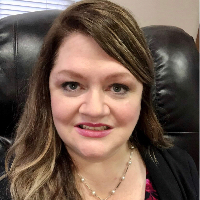
About Tracey
Tracey Byram is an LPC (Licensed Professional Counselor) in Georgia with 27 years of clinical experience. She works with people facing stress, anxiety, trauma and abuse, bipolar disorder, depression, addictions, grief, relationship and intimacy-related issues, parenting concerns, ADHD, and many other life challenges. Tracey also supports clients dealing with body image, chronic illness, caregiver stress, and the effects of adoption and abandonment.
She uses Emotionally-Focused Therapy among other approaches to help people recognize and name difficult emotions. Her way of working combines practical tools and focused conversations. Sessions often include Cognitive Behavioral Therapy and client-centered methods to address current struggles and changing patterns.
Tracey has long experience with LGBT clients and has worked with children, adolescents, and young adults in the past. She has also offered faith-based counseling when requested and has integrated animal-assisted work with therapy dogs into her practice for many years.
In session she listens for patterns in relationships and emotion. She helps people notice how feelings, thoughts, and behavior connect. From there she offers exercises, behavioral strategies, and reflective conversation to try different ways of responding.
Outside of clinical work she enjoys reading, hiking, yard work, home projects, thrifting, and beach visits. Those interests inform a practical, grounded approach to working through life changes and ongoing stress.
How Tracey uses EFT, ACT and attachment ideas online
Emotionally-Focused Therapy (EFT) helps people put words to strong emotions and notice how those feelings shape relationships and behavior. EFT is often helpful when patterns feel stuck and when attachment needs are hard to name.Acceptance and Commitment Therapy (ACT) focuses on noticing thoughts and choosing actions that reflect personal values. It is practical for anxiety, stress, and painful thoughts that get in the way of daily life.
Attachment-Based Therapy looks at early and current relationship patterns to understand how people connect or pull away. It can be useful for intimacy-related issues and commitment or communication problems.
Finding the right approach is a collaborative process. The therapist will discuss goals, preferences, and what feels most useful, and will adapt techniques from these approaches together with the client.
Confirm the session formats before booking so you know how meetings are arranged. Online work can make it easier to fit sessions into a busy week, reduce travel time, and allow shorter check-ins when schedules are tight. Some formats need less bandwidth or do not require being on camera, which can help in a noisy or busy day. Discuss practical needs and scheduling when you set up the first appointment so sessions match real life.
Areas of expertise
Primary focus
Also works with
Additional focus areas
Therapeutic approaches
Experience
27+ years
Listed in
Georgia
Languages
English
Frequently asked questions
What kinds of concerns does she address?
She works with stress, anxiety, trauma and abuse, bipolar disorder, depression, addictions, grief, relationship and intimacy issues, ADHD, parenting challenges, and many related concerns.
What is her therapy style like?
She combines Emotionally-Focused Therapy with practical tools from CBT and client-centered conversations to help people name feelings and change patterns.
How much clinical experience does she have?
She has 27 years of counseling experience working across a range of issues and client ages.
What are her credentials and location?
She holds an LPC credential and practices in Georgia.
Which languages are supported?
Sessions are offered in English.
Can international clients work with her?
She does not accept international clients at this time.
How are sessions paid for?
Cost varies with location and sessions use a subscription that can be canceled at any time.
How do I begin working with her?
Select the See online therapy options button, complete the short matching questionnaire, and schedule a first session.
Profile details come from information the therapist supplied to BetterHelp. Credential and registration rules differ between the United States, the United Kingdom and Australia.